
Index of topics
OBSESSION WITH HYGIENE
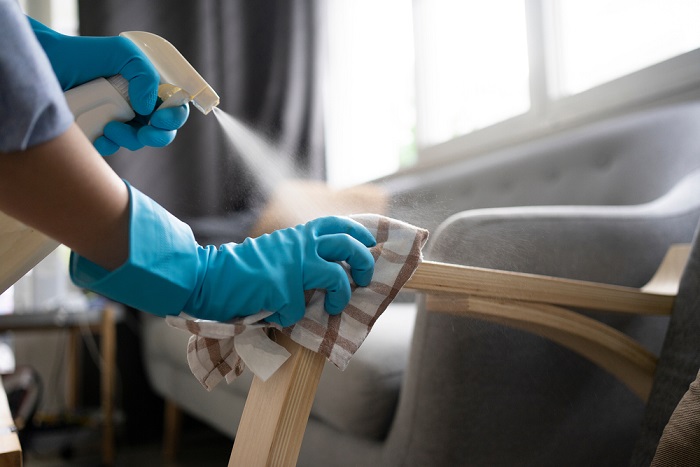
Let's get dirty, big and small. And let's not overdo it with shiny floors, as if we had to eat off the floor, with often very irritating detergents. Or with rooms that are super-scented with various deodorants and with the detergent neatly placed on some piece of furniture, ready to be used.obsession with hygiene, the obsession with cleanliness like a hospital operating room, which are real pathologies, cause damage to health itself. And waste. We spend so much money on industrial products, when natural solutions could be enough. Thus, over time, through hygienic obsessions, we increase the risk of allergic dermatitis, asthma, food intolerance. And first of all of a vertical fall of our immunitary defense.
Even obsessions can lead to waste. Such is the case with the obsession with hygiene, which many parents of young children unfortunately also have. They forget that children, to thrive, also need to get dirty, and excessive handwashing, as several scientific studies show, can increase the risk of allergies.
TO LEARN MORE: Washing your hands well is a simple but essential step to prevent health problems.
RUPOPHOBIA
EXCESS HYGIENE
The obsession with the cleaning Always at the highest levels, it has different faces. There's the mother-landlady, for example, who bars entry to anyone who dares to enter the apartment with shoes on. "It's a matter of hygiene," she explains. It's a shame that walking around barefoot can carry more germs. and leave some shoes in the middle of the stairs of a building is certainly not a gesture of good hygiene. "Clean too clean" is the headline New Scientist, commenting on the spread of this wasteful obsession which, in many cases, manifests itself through an enormous waste of home deodorants and for various environments, but also for the car, or a compulsive use of cleaning wipes that are not exactly free.
CAUSES
- Traumas and painful memories
- Dramatic events
- Expectations too high
- Trend to anxiety
- Panic attacks
- Disruption of some neurotransmitter systems leading to a significant decrease in Serotonin in different areas of the brain
SYMPTOMS
- Wash your hands continuously
- Worrying that other people you meet do it too
- Wear gloves and masks to avoid contact with dirt
- Clean the house continuously, with even aggressive detergents
- Wash objects, clothes and furniture very often
- Continuously resort to disinfectants and detergents
- An excessive one sweating
- Palpitations and increased heart rate
- Chills and hot flashes
- Fear of losing control of the situation
- Dizziness
- Worsening of the breathing
- Nausea and vomiting
RISKS OF HYGIENE OBSESSION
There are many studies that closely link high levels of hygiene and the incidence of allergies and autoimmune diseases.This happens because our body fails to develop the antibodies needed to defeat allergens.There is no need to waste time sterilizing the environment in which you live with high-cost products: a normal cleaning with natural products.
In particular, as he highlighted Guy Delespesse, professor at the University of Montreal, there is an inverse correlation between hygiene levels and the incidence of allergies and autoimmune diseases.The more sterile the environment a child lives in, the higher the risk that he or she will develop allergies or autoimmune disorders later in life.” explains Delespesse. “While it is certainly important to underline that higher hygiene standards have brought great benefits, reducing the population's exposure to pathogenic bacteria and substantially reducing mortality, especially infant mortality, excessive cleaning can be counterproductive.".
TO KNOW MORE: Baby laundry: how to best wash and sanitize clothes in an eco-friendly way
According to Delespesse, the consumption of probiotic foods, such as yogurt, can help combat the problem by artificially introducing bacteria into our bodies. Not to mention that the consumption of probiotics during the pregnancy It may help reduce allergies in your child.
CARE AND PREVENTION
Unfortunately there is no cure which gives a certain result of getting out of rupophobia. On the other hand, the disorder, for which we often rely on the same specialists in the treatment of the troughIt can also regress naturally, especially if you manage to introduce some preventative measures into your lifestyle to reduce the risk of becoming obsessed with hygiene.
- To begin with, absolutely avoid to smoke at home, especially if there are children, and open the windows often to promote air exchange.
- When washing clothes, avoid using particularly aggressive sanitizing products: even a simple wash at 40 degrees is enough to eliminate most bacteria.
- for housecleaning, use natural products whenever possible.
- As soon as you arrive at the office or return home, remember to wash your hands immediately, especially if you've used public transportation. However, don't overdo the soap, as it can damage your skin. Teach your children to wash their hands thoroughly and tell them not to put their hands in their mouths.
-
Instead, try to start by making an effort not to wash your hands so often.
-
Make fun of your ruphophobia, and try to minimize its effects.
Sign up for our newsletter to stay up-to-date. Click here!
HOME HYGIENE: NATURAL REMEDIES
- Baking soda, the most effective natural product for all daily household cleaning tasks.
- How to clean household rags and mops with natural ingredients. From vinegar to baking soda.
- DIY vinegar cleaners: recipes for natural home cleaning
Want to see a selection of our news?
- Sign up to our newsletter clicking here;
- We are also up Google News , activate the star to add us to your favorite sources;
- Follow us on Facebook, Instagram e Pinterest.