
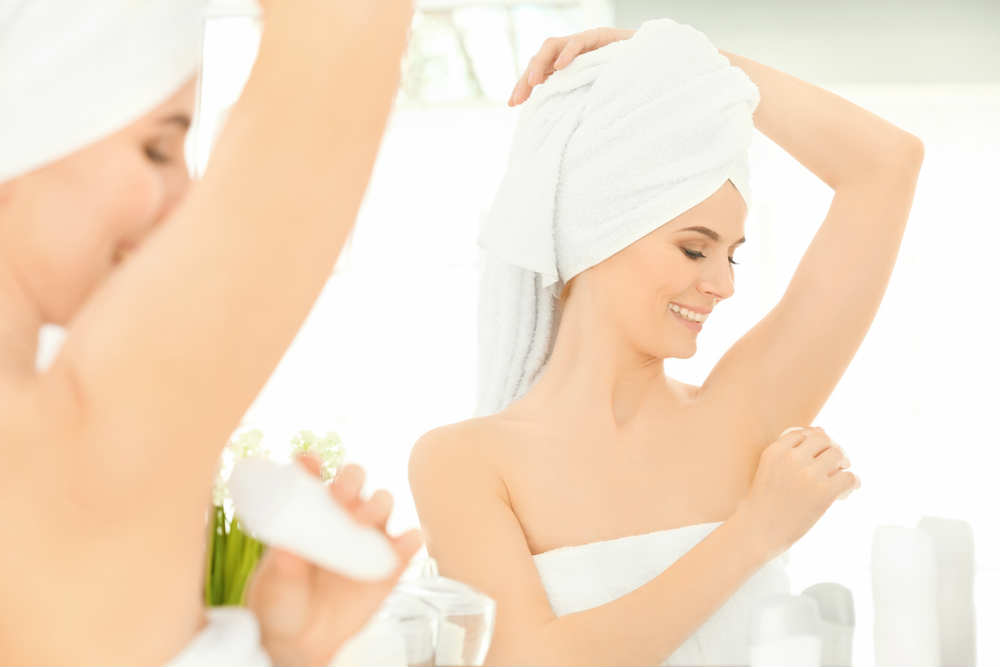
Sweating is a natural and fundamental process of the body, which allows us to control our body temperature without any external pressure. But when it's very hot and sweat increases, it can be helpful to find some natural solutions, avoiding the temptation of medications that are best reserved for a specific sweating-related condition (hyperhidrosis).
Rather than medications, consider wearing comfortable, light clothing, drinking plenty of water, avoiding the sun during peak hours, and relying on certain foods.
Index of topics
Hyperhidrosis
When sweating is profuse and not caused by excessive heat or physical activity, it is called hyperhidrosis: not just a cosmetic disorder, but also an altered regulation of the sympathetic nervous system. In this case, it is primary hyperhidrosis . If excessive sweating is the result of other conditions, it is secondary hyperhidrosis . The amount of sweat released by the body depends on several factors. External: high temperatures, physical activity and sports, and particular exertion. Internal: when we are nervous, stressed , embarrassed, or afraid. Or, in the case of women, during menopause . Sweating increases with a diet high in fat and seasonings, alcohol, and sugary drinks. Excessive sweating, called hyperhidrosis , can be a real health problem, unrelated to heat or the summer season. Between 2 and 3 percent of the Italian population suffers from it. A good portion of these people have hereditary hyperhidrosis , which initially affects the palms and soles, then the armpits and face. However, there are several ways to reduce sweating.
Causes of hyperhidrosis
Secondary hyperhidrosis may be due to these diseases:
- HyperthyroidismThe thyroid overworks, hormones circulating in the blood raise body temperature, and sweating increases. Symptoms include weight loss without dieting, facial flushing, and frequent nervousness.
- Type 2 diabetesAn excessive increase in blood sugar causes damage to the nerve fibers responsible for stimulating the activity of the sweat glands.
- DepressionIn this case, hyperhidrosis is a consequence of the use of drugs that act on the hypothalamus and nerves.
- AnxietyStress hormones, particularly cortisol and adrenaline, increase sweat gland activity. Symptoms range from rapid, labored breathing to abdominal pain and nausea.
What is sweat?
Sweat is one of the main causes of discomfort and concern during the hot season, and we combat it with expensive deodorants with increasingly effective formulas that promise to neutralize unpleasant odors. This discomfort, in cases of excessive sweating, can become embarrassing, even impacting our social and relationship life. The areas most affected are the extremities of the body, such as the hands , feet , and armpits , and we often resort to increasingly aggressive products containing ingredients that could make the situation worse: so why not look for a solution with natural remedies?
Why do we sweat under our armpits?
Sweating affects the entire body . But the most affected area, even in winter, is certainly the armpits . The main reason is that the hair in this area of the body retains bacteria and becomes one of the causes of the sour, pungent, and unpleasant odor. It's all physiological, especially when it's very hot , while the pathological condition is called hyperhidrosis, and affects the armpits, soles of the feet , palms of the hands , and some areas of the face . Axillary hyperhidrosis can be linked to a thyroid problem , the use of certain medications, or obesity . The other pathology of armpit sweating is bromhidrosis , in which the bad odor factor becomes predominant. This is due to certain medications or an unhealthy diet.
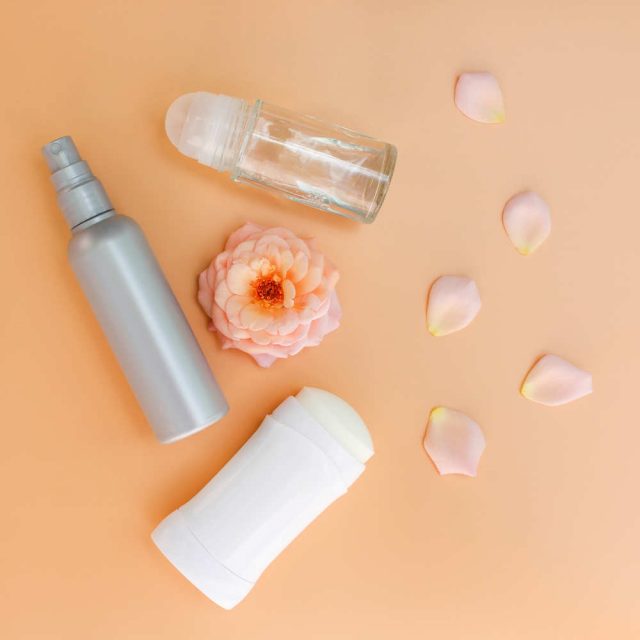
Natural remedies against sweat
As often happens, nature comes to our aid, offering solutions and remedies that allow us to combat sweating naturally.
Supply
The first way to combat excessive sweating is to eat light , simply cooked foods. Avoid fatty, fried, and processed foods . Instead, favor fruits and vegetables . In addition to the ever-present recommendation to drink at least a liter and a half of water a day , try not to eat meals consisting of a first course, second course, and side dish, but instead choose nutritious, fresh foods, like a good ice cream . Finally, reduce your salt intake.
Clothing
Suitable summer clothing definitely includes natural fibers like cotton and linen , especially on delicate skin, and light colors . Avoid synthetic fibers , and opt for natural garments with natural dyes. A general rule of thumb for heat-reducing clothing is to choose garments and fabrics that allow the skin to breathe , allowing it to cool. Fabrics made from hemp or bamboo fibers are also excellent for this purpose.
Rock alum
Rock alum is an aluminum and potassium salt . It is sold in pharmacies and herbalist's shops in crystal form in a stick format for easier application. It is very simple to use: simply rub it generously on the areas affected by sweat to reduce body odor, as it has an antiperspirant effect. Its astringent action on the skin then causes a temporary blockage of the sweat glands. It is also called potassium alum and is one of the oldest and most effective natural remedies against sweating. This salt, in fact, has antiperspirant, antibacterial , and deodorant properties.
Necessary
- 1 stick of rock alum
Method
- After thoroughly washing the affected area with a neutral soap, dry your armpits by lightly wetting them with a towel and then rub the stone over your skin like a normal commercial deodorant.
- Repeat this action daily.
- Rock alum can also be used on hands, feet, and other parts of the body where excessive sweating occurs.
Lemon
Lemon , thanks to its citric acid , can also eliminate the unpleasant odor of underarm sweat while simultaneously smoothing the skin in this delicate area. Rubbing a slice of lemon on the areas affected by excessive sweating provides an immediate feeling of freshness and tightens the pores, temporarily reducing the discomfort.
Necessary
- 1 lemon
Method
- Wash yourself thoroughly with a neutral soap, dry yourself well by wetting the affected area with a towel, then take a lemon cut in half and rub each half under your armpits.
- If you feel a burning sensation, you may have a small wound or irritation. Don't worry, lemon disinfects, but don't use this method immediately after hair removal because it can sting quite a bit on very irritated skin.
- Leave it on for a quarter of an hour and then rinse with warm water.
Baking soda
The alkaline nature of baking soda, when combined with the acidity of sweat, creates a gas that evaporates. For this reason, you can use a deodorant made with water and baking soda, spraying it on your skin to combat odor.
Sage
Sage is an excellent remedy for excessive sweating thanks to its natural anesthetic properties. You can use sage essential oil drops on the affected areas.
Turnip
Although it may seem like a bizarre remedy, turnips are a fantastic anti-sweat vegetable: not only when eaten, but also when juiced. All you need is a juicer to make a powerful deodorant. Apply it to the parts of your body that tend to sweat the most, leave it on, and rinse. If you don't have a juicer, simply grate the turnips onto a cloth and then squeeze them until you obtain the juice.
Aloe vera and baking soda
Baking soda has been known for centuries as a natural cleanser and deodorant. Aloe vera, meanwhile , has a softening effect. These are the two ingredients in this precious recipe for protecting your armpits from sweating.
Necessary
- a teaspoon of aloe vera gel
- 2 teaspoons of baking soda
Method
- First of all, wash your armpits thoroughly with natural, non-aggressive soaps.
- Dry your armpits by gently wetting them and rub in aloe vera gel to soften the skin, soothe irritation caused by hair removal, and absorb the fine baking soda powder.
- Now, dab a generous amount of baking soda into each armpit and don't rinse. The baking soda will absorb sweat throughout the day and discourage the growth of odor-causing bacteria.
- You can also take a container with a spray nozzle and pour a glass of water with a spoonful of baking soda into the bottle. After doing this, cap the bottle and shake well, then spray the contents under your armpits like a regular spray. If you like the idea, you can add a non-irritating, scented essential oil, or, instead of plain water, you can use aromatic chamomile, rose, camellia, or lavender waters. green tea.
Lettuce
Lettuce , especially if you have sensitive skin, is a very effective natural remedy for eliminating the bad smell of sweat under your armpits.
Necessary
- 2 lettuce leaves
Method
- Take a fresh, well-washed lettuce from the refrigerator and separate two leaves.
- Place a leaf under each armpit and wait for it to return to room temperature and do not rinse.
Summer soups to combat the heat
In summer, there are many foods that can help us combat the rising mercury. It's important to eat at least five servings a day , raw, cooked, or in the form of delicious cold soups. They're packed with flavor, vitamins , and minerals . Here are five fresh and quick recipes.
Mango and ginger
The tasty and delicious mango , the base of this fantastic, fresh and healthy recipe, is one of the juiciest and most flavorful fruits available. It's also highly nutritious, which is why it's often called a " superfruit ." This tasty summer recipe is suitable for gluten-free diets and also packs a punch. The added ingredient? A little ginger, which is incredibly beneficial.

Peas and mint
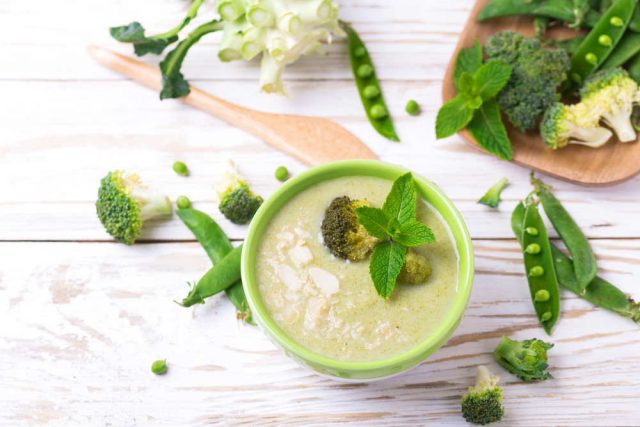
The simplicity and freshness of this pea and mint soup will captivate you: the summer peas (which we can use fresh or frozen) are sweet, and the mint leaves are fragrant and refreshing . The result is a tasty combination. Simply drizzle with olive oil and sprinkle with grated Parmesan cheese.
Tomato and basil
The ingredients in this recipe are quite simple: just tomatoes , fresh basil, vegetable broth, and balsamic vinegar , so be sure to use fresh, high-quality ingredients. This vegetarian and vegan summer soup is a delicious way to use up your garden's tomato harvest.

Avocado
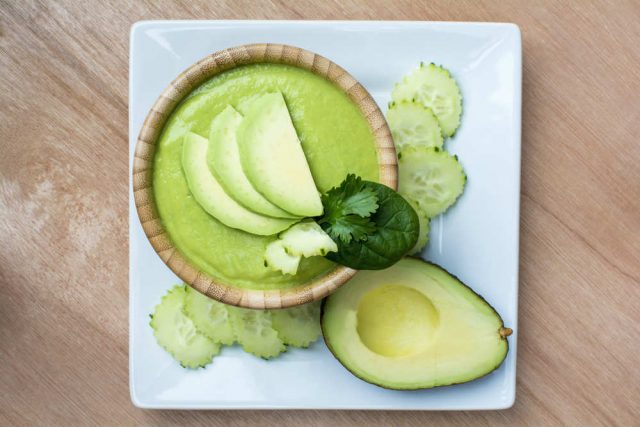
Avocado soup is made with just six quick and easy ingredients, including avocado, cream, vegetable broth, a touch of spicy cayenne pepper, and freshly chopped herbs. It's a great way to add nearly 20 essential nutrients to your daily diet, including fiber, potassium, vitamins B and E, and folate, and it's elegant enough to serve as a first course for summer dinners.
Watermelon
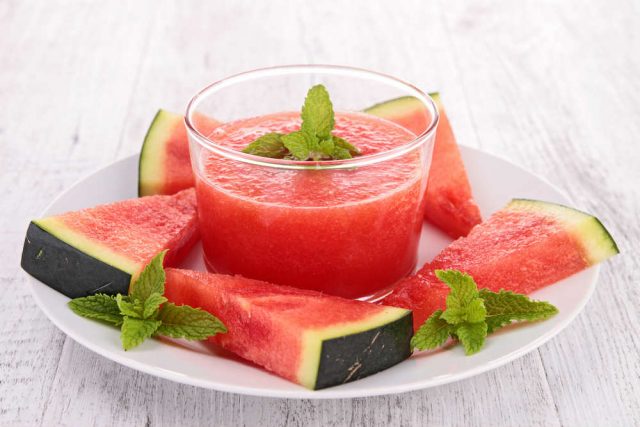
A creative and flavorful soup that highlights the refreshing sweetness of watermelon , making it a perfect appetizer for a steamy summer day. Add a touch of fiordilatte ice cream for a perfect lunch break.
What can increase sweating?
Since excessive sweating (hyperhidrosis) is very common and can also cause psychological problems , it is important to know the truth about various aspects of the phenomenon.
- Excessive sweating, in the case of people with hyperhidrosis (of the hands, armpits, feet) does not cause bad odors. On the contrary, the abundant amount of water keeps away bacteria that, for example, cause bad foot odor.
- I spicy foods may increase sweating.
- I game they have no influence on sweating.
- You don't sweat for itanxietyIf anything, you become anxious about sweating.
- Excessive sweating affects everyone equally men e women.
- About the 25 percent People who have this functional disorder have a family history of it.
What can reduce sweating?
Some very simple things can instead help reduce sweating.
- Avoid alcohol, coffee, tea, tobacco and spicy foods.
- Maintain a cool, well-ventilated workplace.
- Wear lightweight clothing. Natural fibers may feel cool, but they absorb sweat and stay damp, while some less breathable synthetic fibers repel sweat and stay dry.
- Reduce stress, tension and anxiety.
- Maintain proper personal hygiene to avoid bad odors.
- Have a change of clothes available during the day.
- Shave your armpits.
- If the smell of sweat is very strong, use a liquid soap containing chlorhexidine in the shower.
- Wear breathable socks and shoes.
- Take more than one shower a day.
Read also:
- Sweating does not help eliminate toxins
- Playing sports doesn't always mean sweating
- How to remove sweat stains with natural products
Want to see a selection of our news?
- Sign up to our newsletter clicking here;
- We are also up Google News , activate the star to add us to your favorite sources;
- Follow us on Facebook, Instagram e Pinterest.