
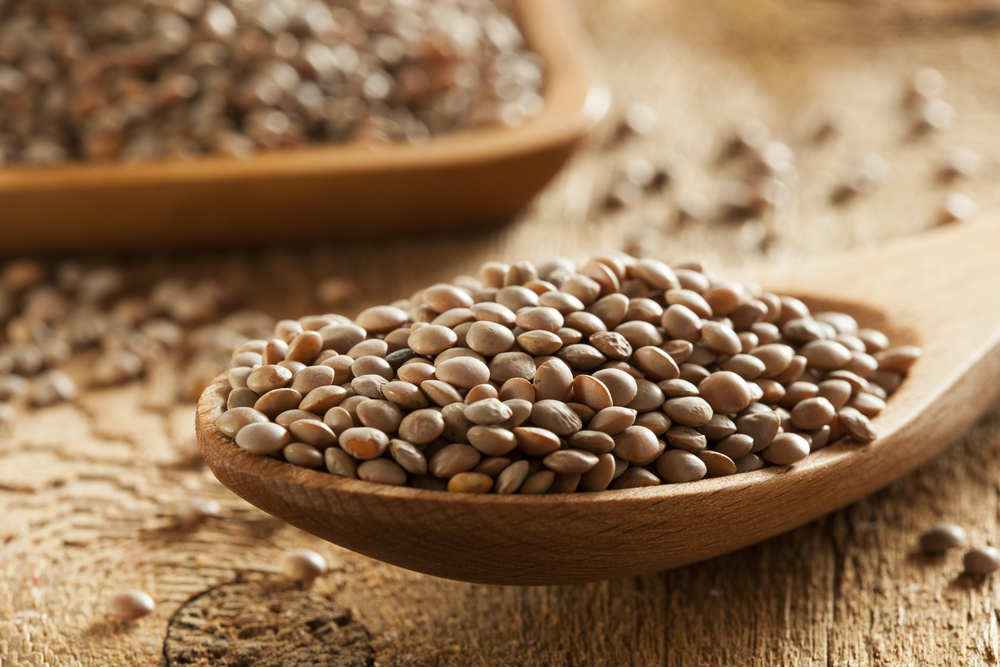
Lentils: the name recalls the lens shape, Its history dates back to prehistoric times and several archaeological finds demonstrate how la lentil was the first legume to be exploited by man for food and even medicinal purposes. A food considered to be theequal to “poor man's meat”, actually very rich in precious substances, all not to be wasted, which make it unique, for example, in the fight against anemia.
Not only a symbol of luck and wealth, as popular tradition holds, lentils are also rich in nutritional properties important for health. Nutritionist research seems to confirm the many preventive (particularly for colon and stomach cancer) and therapeutic (primarily their antioxidant function and ability to reduce "bad" cholesterol) qualities of this legume.
Index of topics
Nutritional properties
The nutritional properties of lentils start with their calories: 92 per 100 grams of product. And also, among other things:
- 69,7 grams of water
- 16,3 grams of carbohydrates
- 8,3 grams of total fiber
- 6,9 grams of protein
- 266 milligrams of Potassium
- 146 milligrams of Phosphorus
- 28 milligrams of sodium
Benefits
Rich in vegetable proteins, Lentils also contain a lot of carbohydrates, many fibers, many vitamins, especially A, B1, B2, C, PP, mineral salts such as calcium, potassium and Iron and very little fat. Precisely for the high protein content, lentils are considered a valid alternative to a second course based on meat, fish, eggs or cheese. They're also perfect as a first course, served with pasta and rice: this combination makes it easier to absorb the protein.
And that's not all: lentils are among the legumes with the most effective action antioxidantThe high content of fibers instead it allows you to regulate the activity of the intestine and keep the cholesterolFurthermore, the low content of unsaturated fats makes lentils a perfect food for the prevention of certain cardiovascular diseases. Furthermore, thanks to the high thiamine content, lentils are useful for improving memory and concentrationFinally, lentils increase the feeling of satiety, making them useful for weight-loss diets. They aid intestinal transit, and thanks to their high mineral content, lentils are valuable for combating fatigue and anemia.
Varieties of lentils
Of the many varieties of lentils found around the world, Italy boasts a particularly high-quality production. The flat, rounded seeds can be large or small, and in Italy, lentils are grown primarily in Abruzzo, Campania, Lazio, and Umbria.
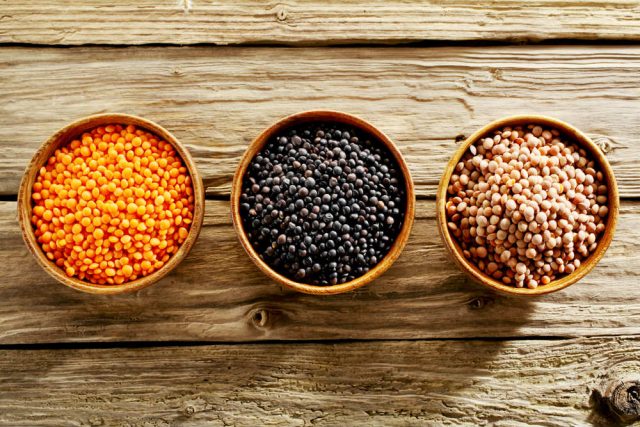
The most common varieties are:
- The green lentil of Altamura
- The Ustica lentil
- The Castelluccio lentil, very particular because of its polychrome appearance
- Red lentil, also called Egyptian lentil, is very common in the Middle East
- The lentils of Villalba, Fucino, Colfiorito and Mormanno
How to grow lentils
Lentils can be grown effectively both in the ground and in pots. The plant has good soil adaptability and prefers soft, sandy soil, but it doesn't tolerate waterlogging, so ensure good drainage. It also requires good fertilization: you can use organic fertilizers such as manure or compost.
La sowing The timing varies depending on the geographical location of the crop: in the North, it's usually sown in spring, while in the South, it's in autumn. Plant the plants, digging holes about two centimeters deep, in which to place the seeds. When the first shoots appear, you can thin out the weakest plants.
La harvesting, instead, occurs when the upper part of the plant has dried out. Then let everything dry in a warm, dry, and dark place. Finally, cyclical maintenance of the plant is necessary: remove weeds and other invasive plants and check the insects and parasites which usually affect legumes.
How to store lentils
You can store lentils in an airtight container in a cool, dry, dark place and they will keep for up to 12 months. Once cooked, however, they should be stored in refrigerator for a maximum of a few days.
How many lentils can you eat per day?
Considering the versatility of lentils and the possibility of using them in different combinations, starting with rice and pasta, we can also use this legume in abundance. And eat ua dose between 100 and 200 grams in a day. Moreover, lentils are ideal for older people, as they can be juiced and served as a smoothie.
Do lentils help you lose weight?
Lentils help you lose weight for two reasons. They're low in calories: just 92 per 100 grams of dried, boiled, fat-free lentils. Furthermore, thanks to their fiber and protein content, they increase the feeling of satiety, thus reducing food cravings. They also help fight hunger pangs. Remember to cook lentils in a small amount of water, adding it gradually so it is absorbed: this way, you don't lose the lentils' vitamin content. And avoid buying canned lentils: they're too high in sodium.
Controindicazioni
In some people, consuming legumes can cause unpleasant effects such as flatulence, bloating, and diarrhea. According to research, legumes are responsible for the formation of kidney stones, therefore people who suffer from calculations They shouldn't consume them. Finally, lentils, like all plant seeds, contain a number of nutrients—the most abundant of which is phytic acid—that impair the absorption of iron and zinc from the digestive tract. Lentils are not recommended for people with intestinal problems or colitis. They are also not recommended for those suffering from gout or uremia.
Read also:
- Indian-Style Lentils: The Quickest Recipe
- Lentil soup: a true comfort food recipe. The classic version and the ones with artichokes and apples.
- Lentil Meatballs: The Best Recipe
- Foods that have the most plant-based proteins
- Lentil Soup: The Sicilian Recipe
Want to see a selection of our news?
- Sign up to our newsletter clicking here;
- We are also up Google News , activate the star to add us to your favorite sources;
- Follow us on Facebook, Instagram e Pinterest.