
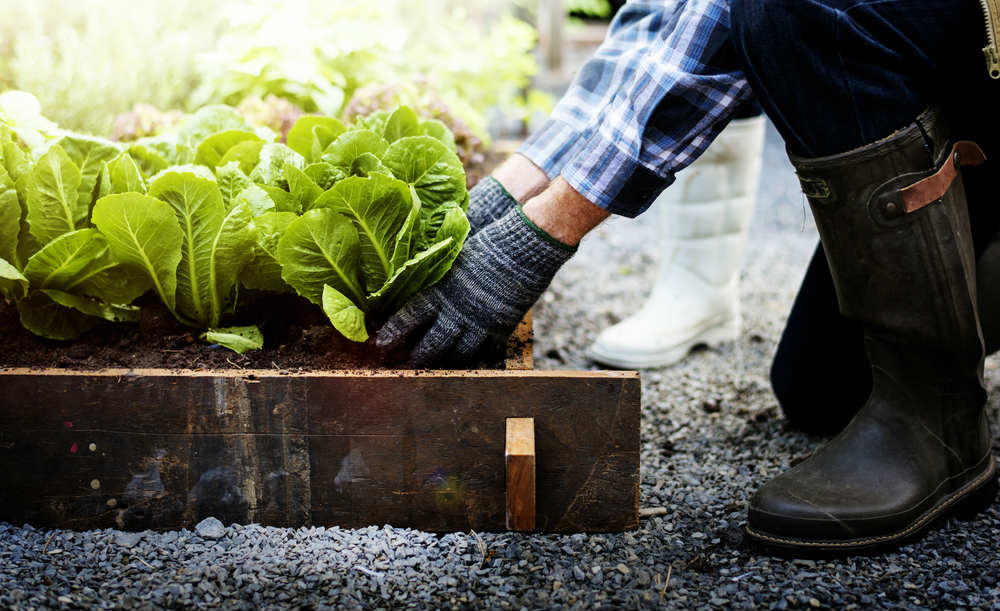
February is a key preparation month for the garden: what you do during these weeks will make a difference throughout the season. February is the month to hoe and dig the soil, prepare mature compost or well-rotted manure for natural fertilization, break up clods and level the beds, and mulch to protect the soil from the cold and weeds.
But let's take a closer look at what is sown and what is harvested in the garden in February.
Index of topics
The climate
As mentioned, the most important variable, of course, is the climate. On colder days, especially in many northern and central areas, it's advisable to cover the garden with some tarps to protect it from potentially destructive frosts . For the rest, rely on ancient peasant wisdom, differentiating tasks according to the lunar phases. With a waning moon, you can prune plants and repot, if necessary. With a full moon, get right to planting and fertilizing.
What to plant
Among the varieties to plant in February, without waiting for spring, are beets, artichokes, carrots , onions, beans, and zucchini. And let's not forget basil , which, if you're good at it, you can have year-round.
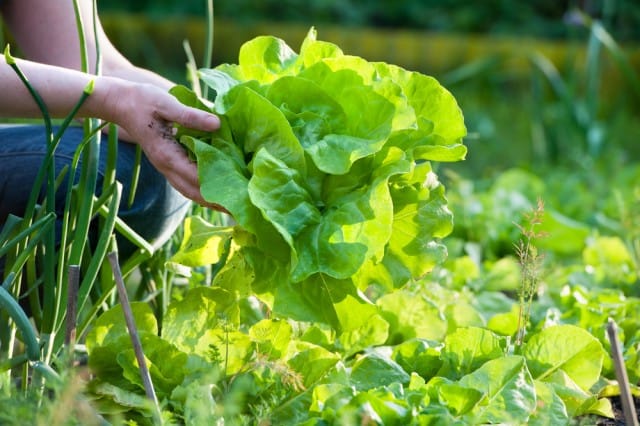
There are many vegetables that we can start planting in the ground, including:
What to grow in pots
If we don't have a vegetable garden but a balcony or terrace, it's time to loosen and fertilize the soil in the pots where we can sow:
After sowing the vegetables, remember to cover them with a sheet of glass or transparent plastic to promote the right sowing temperature.

What to collect
- Cabbages (e.g., white cabbage, kale, collard greens, Brussels sprouts, Savoy cabbage)
- Artichokes
- Chicory
- Leeks
- Fennel
- Broccoli
- Pumpkins
- Sage and rosemary
Special treatments to do in February
- Start digging to bring the parasites to the surface: the low temperature will eliminate them
- Soil and plants need phosphorus and potassium. Use natural compost.
- Fruit, vegetable, and dried flower scraps are particularly useful, as are crushed eggshells and coffee grounds.
- Protect plants where they are too exposed to the risks of the weather
- delete leaves and dry branches
- Make a careful check for proper maintenance of all tools.
Read also:
- Gardening in January: What to Sow and What to Harvest
- Vegetable Gardening in March: What to Sow and What to Harvest
- Gardening in April: What to Harvest and What to Sow
- Vegetable Gardening in May: What to Sow and What to Harvest
- Vegetable Gardening in June: What to Sow and Harvest
- Vegetable Garden in July: What to Do
- Vegetable garden in August: sowing and harvesting
- What to plant and harvest in September
- Vegetable Gardening in October: What to Sow and What to Harvest
- Vegetable Gardening in November: What to Sow and What to Harvest
- Garden work in December: sowing and harvesting
Want to see a selection of our news?
- Sign up to our newsletter clicking here;
- We are also up Google News , activate the star to add us to your favorite sources;
- Follow us on Facebook, Instagram e Pinterest.