
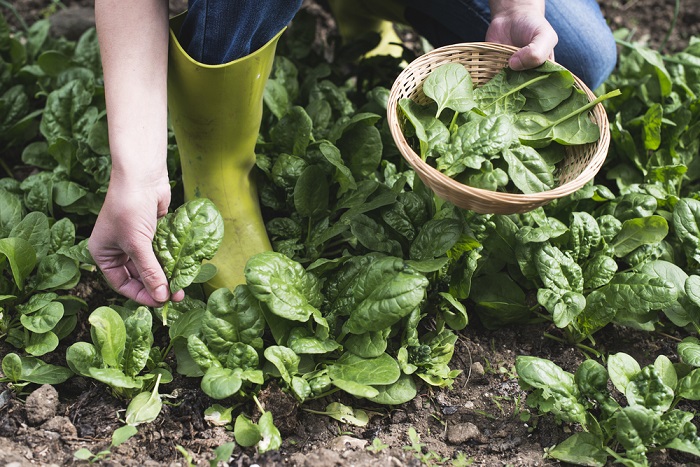
Growing spinach , even on a small plot of land, on a balcony, in the vegetable garden, or on the terrace, has several advantages. First: it's incredibly simple; it's not a complicated or invasive vegetable. Second: it helps you work in the garden even in the winter months. Third: you can have the guaranteed authenticity of a truly special vegetable at home, thanks to its varied and valuable properties.
Among the many benefits of spinach (which never goes into the microwave ), there's a high amount of plant-based iron, although it's not easily absorbed by the body due to the presence of an antinutrient, oxalic acid. In practice, to absorb the equivalent amount of iron provided by 100 grams of meat, you need to consume more than 1 kg of spinach. Experts recommend eating spinach with a few drops of lemon juice, which, thanks to the presence of ascorbic acid, promotes iron absorption. Spinach also contains vitamin C, which can strengthen the immune system and fight free radicals, carotenoids, lutein, folic acid, which is important because it stimulates the production of red blood cells, and chlorophyll, which can regenerate cells. Among other things, it's also useful for detoxifying the liver . To avoid losing nutrients through cooking, remember to eat it raw or cooked in a little boiling water. Spinach is also an easy vegetable to grow in the garden or in a pot on the balcony. The procedure is very simple and requires no special care.
Index of topics
Climate
Spinach prefers a cool, temperate climate and can withstand winter frosts, but it cannot tolerate drought and should not be exposed to direct sunlight.
Land
Growing spinach requires medium-textured, well-draining soil to prevent waterlogging. It's important to till the soil using a hoe or rake to eliminate weeds.
Semina
Before sowing, remember that it's essential to fertilize the soil well, but avoid compost that's very high in nitrogen, as it easily accumulates in the leaves. Spinach should be sown from March to November, spaced 2-3 weeks apart to ensure a continuous and consistent harvest. To sow, dig small holes about 3 cm deep in the soil, spaced at least 25 cm apart. Once the seeds are planted, cover them with soil; in areas with very cold temperatures, opt for a plastic sheet. As the seedlings grow, remove any excess, starting with the slenderest ones. Only leave room for the strongest, most suitable plants.
Watering
It is important to water spinach when the soil is dry, trying to avoid water stagnation.
Collection
This occurs about two months after sowing for spring or summer spinach and just over a month for fall-winter spinach. Harvest four to six leaves per plant, cutting them off gently and without damaging the central shoot, otherwise the plant will no longer produce leaves. You can also harvest the entire plant by cutting it from the root.
Cultivation in pots
If you don't have a garden and want to try growing spinach in a pot on your balcony, proceed as follows:
- Sow the plant seeds directly into the pot
- When the seedlings appear, thin them out making sure that there is space between them. at least 7 cm away
- For the rest, follow the instructions suggested for growing in soil.
Read also:
- How to grow pomegranates in the garden or in pots. Harvest begins in October.
- How to grow a pineapple plant at home without waste, using the sprig
- How to grow eggplants in pots or in the garden
- How to grow eggplants in your garden or in a pot on your balcony
Want to see a selection of our news?
- Sign up to our newsletter clicking here;
- We are also up Google News , activate the star to add us to your favorite sources;
- Follow us on Facebook, Instagram e Pinterest.