
HOW TO REPLACE SUGAR
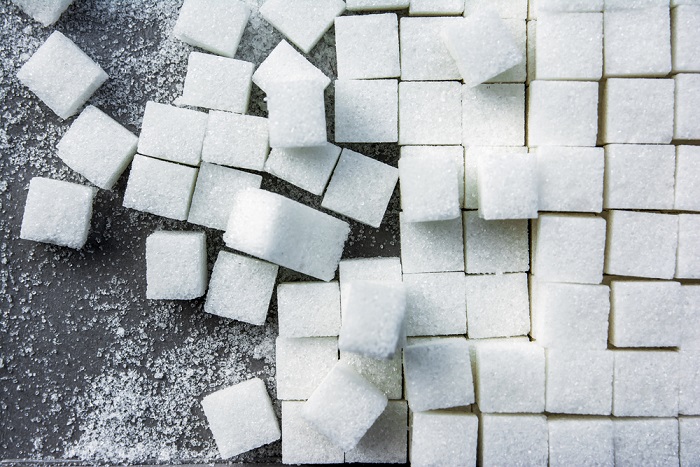
According to the World Health Organization, we should consume no more than 25 grams of sugar per day , about five teaspoons. In reality, we sometimes consume much more. Besides table sugar, the kind we use to sweeten our coffee every morning, there's also hidden sugar in foods , from snacks and fruit juices to jams and even tomato preserves. Just read the labels carefully to realize that even the tomato pulp we often serve contains sugar among its ingredients.
Excessive sugar consumption can cause many risks , starting with weight gain . Obesity, in turn, can cause some forms of cancer and contribute to type 2 diabetes and cardiovascular disease.
READ ALSO: Properties and differences between the different types of sugar on the market
REFINED SUGAR: ALTERNATIVES
-
WHOLE CANE SUGAR
Authentic licorice is recognized by its moist texture, firmness, and a licorice aftertaste. It contains potassium, magnesium, fiber, and vitamins.
-
MAPLE SYRUP
It tastes similar to sucrose, but it's a natural product that contains potassium and vitamins. It's a good sweetener, also excellent for baking, especially pancakes.
-
BARLEY MALT
It's made by cooking previously germinated and dried barley in water before cooking and condensing it. It's slightly less sweet than honey.
-
TRUFFLE HONEY
Contains maltose and fructose, and is an excellent alternative to both white sugar and chemical sweeteners. It's an energy-boosting, restorative product, excellent as a flu-fighter in the evening with a cup of hot milk. Don't use it in desserts because, once cooked, it takes on a bitter taste. Strawberry tree honey is beneficial for the kidneys, and eucalyptus honey is beneficial for respiratory problems.
-
RICE AND CORN SYRUPS
Also recommended for celiacs, they have a strong flavor and are rich in potassium, sodium, magnesium, and amino acids.
-
MOLASSES
It's available in health food stores, and you should make sure it's organic. It's derived from cane sugar and has the same properties. Its spicy flavor makes it particularly suitable for sweetening cakes and biscuits.
-
APPLE SYRUP
Perfect for sweetening drinks and making desserts, it also has another positive characteristic: it's highly digestible.
-
AMAZAKE AND STEVIA
The first comes from germinated rice and is widely used in Eastern cuisine. In macrobiotics, it is recommended for desserts. The second, however, comes from a plant widely found in South America, is low in calories, and is often recommended for diets. It is available in both powdered and vials. One fresh leaf or half a teaspoon of stevia powder equals one tablespoon of sugar.
-
COCONUT SUGAR
It is obtained from palm flowers, has a very intense, fruity flavour, and contains little sucrose.
-
AGAVE JUICE
Agave is a plant rich in minerals and trace elements. It also has a very low glycemic index.
-
FRUCTOSE
It's derived from honey and fruit and is commonly found commercially in the form of white crystals. We can use it in coffee, desserts, and all beverages.
-
DATES AND BANANAS
They can be used in place of sugar in desserts, and dates are excellent for removing acidity from sauces. They are widely used in vegan and raw food cuisine.
OUR RECIPES WITH HONEY:
- Carrots with hazelnuts: a recipe for an appetizer enhanced with clover honey.
- Fava bean soup with honey: an autumnal recipe to enjoy the beans grown in the garden last summer.
- French baguette recipe: how to make it at home with the magic touch of a teaspoon of honey.
Want to see a selection of our news?
- Sign up to our newsletter clicking here;
- We are also up Google News , activate the star to add us to your favorite sources;
- Follow us on Facebook, Instagram e Pinterest.