
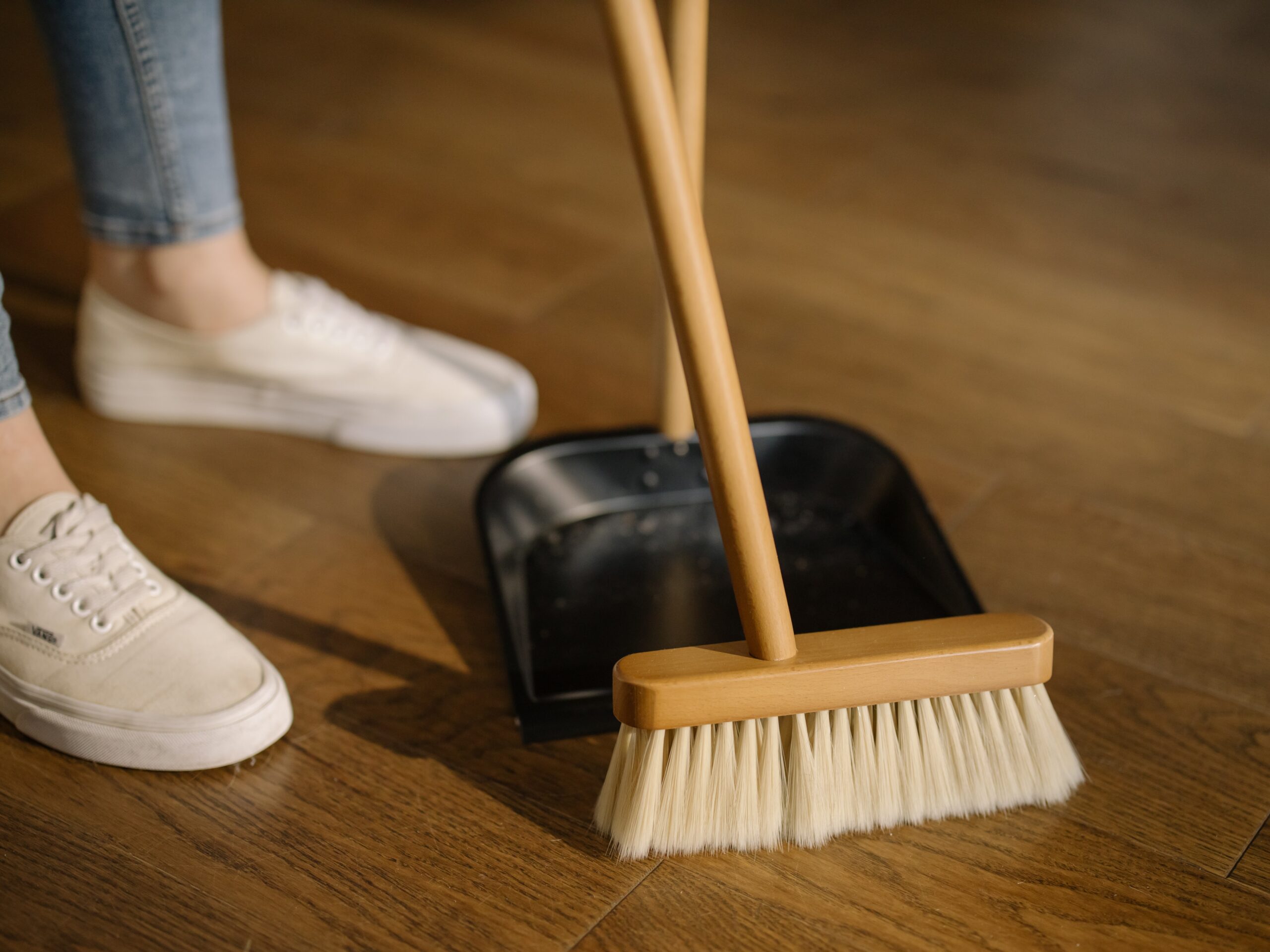
To dust effectively, without wasting time and with effective cleaning results, you simply need a method, starting with the tools you use, the movements you make, and the frequency with which you remove the dust that accumulates every day at home and in the office.
Index of topics
What to use
For dusting, you can use various tools and materials that effectively capture dust without damaging surfaces. Here are some of the most common:
- Microfiber cloths are effective at capturing dust without spreading it elsewhere. Microfiber cloths are washable, reusable, and an eco-friendly choice.
- Feather dusters, equipped with soft bristles or feathers that capture dust and are ideal for reaching corners and irregular surfaces.
- Anti-static cloths, treated with anti-static substances to reduce dust accumulation and prevent static electricity.
- Vacuum cleaner, equipped with specific accessories for dusting, such as soft brushes and thin nozzles, which can be useful for removing dust from crevices and delicate surfaces.
- Furniture spray or mild detergents to clean surfaces while dusting. Avoid overly aggressive products that could damage the furniture.
- Soft-bristled brushes, useful for dusting books, decorative objects and other sensitive surfaces.
The movements
Effective dusting requires targeted movements to ensure dust is removed without damaging surfaces.
- Use long, light strokes with the cloth or dusting tool to cover a larger surface area and reduce the risk of scratches. Avoid sudden or forceful movements.
- Dusting begins at the highest points and moves downward. This allows the dust to fall to the floors, avoiding having to repeat the work on already cleaned surfaces. So, first, dust shelves, lamps, curtains, and paintings; then middle shelves, furniture, and tables; finally, floors and baseboards.
- For horizontal surfaces like tables and desks, it's best to dust in multiple directions. This helps capture dust trapped in corners and along edges.
- Use thinner tools, such as brushes or Douvets, to reach corners, crevices and uneven surfaces where dust might accumulate.
- If you're using a microfiber cloth or a reusable tool, change the cloth's sides frequently or clean it during the process. This prevents the dust already collected from spreading onto other surfaces.
- When dusting decorative objects or small details, it is best to use light circular motions to avoid displacing the dust.
- When dusting delicate surfaces and objects, such as glass or screens, be careful not to apply too much pressure. It's best to use specific tools, such as microfiber cloths, to avoid scratches.
- If you have a vacuum cleaner with special accessories, it is best to use it in corners, crevices and on delicate surfaces.
- Try to avoid stirring up dust during the process. This can be done using slightly damp microfiber cloths or antistatic tools.
- Open the window while dusting, to avoid dust remaining suspended in the air.
- It is advisable to maintain a regular dusting frequency to prevent dust from accumulating and becoming more difficult to remove.
How to dust quickly
Any oils and detergents to add to the water
For dusting, it's usually not necessary to add anything to the water. Water alone may be sufficient to remove dust and light dirt from surfaces. However, if you want a more thorough cleaning effect or if you're dealing with particularly dirty surfaces, you can add one of the following ingredients to the water:
- Adding a few drops of neutral detergent to the water can help dissolve dirt and remove any residue. Avoid using overly aggressive detergents, as they may damage the surfaces.
- White vinegar is a natural cleaning agent and can be diluted with water to clean surfaces. Its acidity helps break down dust and remove limescale deposits. Mix one part white vinegar with one part water.
- A few drops of essential oilEssential oils, such as tea tree, lemon, or lavender, can give water a pleasant scent and have antibacterial properties. Essential oils can also help mask unpleasant odors.
- Isopropyl alcohol can be added to water in small amounts to create a disinfectant and cleaning solution. Mix one part isopropyl alcohol with one part water.
- You can use a furniture spray or a specific cleaner for the surfaces you want to clean. Be sure to follow the manufacturer's instructions and test the product on a small, inconspicuous area to ensure it won't damage the surface.
- Never use overly aggressive products on delicate or sensitive surfaces. Furthermore, it's important to dry the treated areas thoroughly after cleaning to avoid moisture damage.
How to remove dust from furniture
Let's see together how to effectively remove dust from furniture :
- We recommend using slightly damp microfiber cloths to capture dust without spreading it elsewhere. Microfiber traps dust more effectively than traditional materials.
- Feather dusters or feather dusters are useful for reaching difficult corners, carved surfaces, or intricate details. They are particularly effective for removing dust from bookcases, picture frames, and decorative objects.
- The vacuum cleaner is an excellent ally, if equipped with the appropriate accessory for removing dust from cracks, crevices and hard-to-reach corners.
- If necessary, you can use furniture cleaners or specific sprays to clean and protect surfaces. Apply the cleaner to a cloth and then wipe the furniture. It's best to test the cleaner on a small, hidden area to avoid damage.
- Soft-bristled brushes are useful for gently removing dust from more sensitive surfaces, such as television screens or decorative objects.
- Specific oils for furniture, such as lemon oil or olive oil, They add shine and protect surfaces. The oil should be applied to a cloth and spread evenly over the furniture.
- It's recommended to adopt a regular cleaning routine to prevent dust from accumulating and becoming more difficult to remove. This will keep your furniture in tip-top condition over time.
How to dust plants
Cleaning plants is important to ensure the leaves can breathe freely and receive optimal sunlight. Here's how to properly dust them:
- It is best to use a soft, clean cloth to gently dust the leaves of the plants.You can also use microfiber cloths, which are effective at capturing dust without damaging the leaves.
- As an alternative to the cloth, the leaves can be cleaned with a solution of water and neutral soap. Mix a small amount of neutral soap with warm water and then soak a cloth in the solution. Finally, gently rub the leaves to remove any dust.
- There are also sprays specifically formulated to clean and polish plant leaves. This type of product can be sprayed onto the leaves, which should then be dried with a clean cloth.
- If the plant's size and hardiness allow, you can place it in a warm shower to gently clean the leaves. The water used for cleaning should be room temperature, and the leaves should always be dried afterwards.
- You can use a soft-bristled brush to dust larger leaves or clean plants with hairy leaves. This will help remove dust without damaging the leaf surface.
- A vacuum cleaner with a brush attachment can be used very gently to remove dust from leaves without touching them directly.
- Some plants, such as succulents or plants with hairy leaves, may require special care. Use gentle tools and avoid harsh products.
- The leaves should be dusted regularly, especially during the winter months when the plants are indoors and therefore subject to accumulating dust.
How to remove dust from the air
Dust in the air can be a concern, especially for those with allergies or respiratory problems. Here are some strategies to reduce its presence:
- You might consider using high-quality air filters for your air conditioning system or individual appliances. These filters can capture dust particles and allergens, improving air quality.
- The house should always be kept clean through regular cleaning. Frequent dusting and vacuuming are necessary to reduce dust accumulation on surfaces and carpets.
- It's recommended to purchase a vacuum cleaner with a HEPA (High Efficiency Particulate Air) filter. These filters are designed to capture very small particles, including dust.
- It's best to use damp cloths for dusting. These help capture dust instead of lifting it into the air. You can also consider using damp microfiber cloths for more effective cleaning.
- It's best to reduce the presence of textiles that can trap dust, such as heavy curtains or thick rugs. Opt for easier-to-clean solutions that are less susceptible to dust accumulation.
- Make sure your home is well ventilated by opening windows and doors to allow fresh air to circulate and reduce the concentration of suspended particles.
- The level of humidity It should be maintained between 30% and 50%. An excessively dry environment can cause dust to remain suspended in the air. Humidifiers can be used to maintain an adequate humidity level.
- If possible, avoid carpeting in rooms. This can trap large amounts of dust, which is easily released into the air during cleaning.
- Scented candles Incense and incense can release particles into the air. Their use should be reduced, or cleaner alternatives such as essential oil diffusers should be chosen.
- Change air filters regularly, both those in the air conditioning system and those in portable appliances.
Read also:
- How to keep dust mites at bay
- House cleaning without wasting time and money
- How to clean your house in an hour
Want to see a selection of our news?
- Sign up to our newsletter clicking here;
- We are also up Google News , activate the star to add us to your favorite sources;
- Follow us on Facebook, Instagram e Pinterest.