
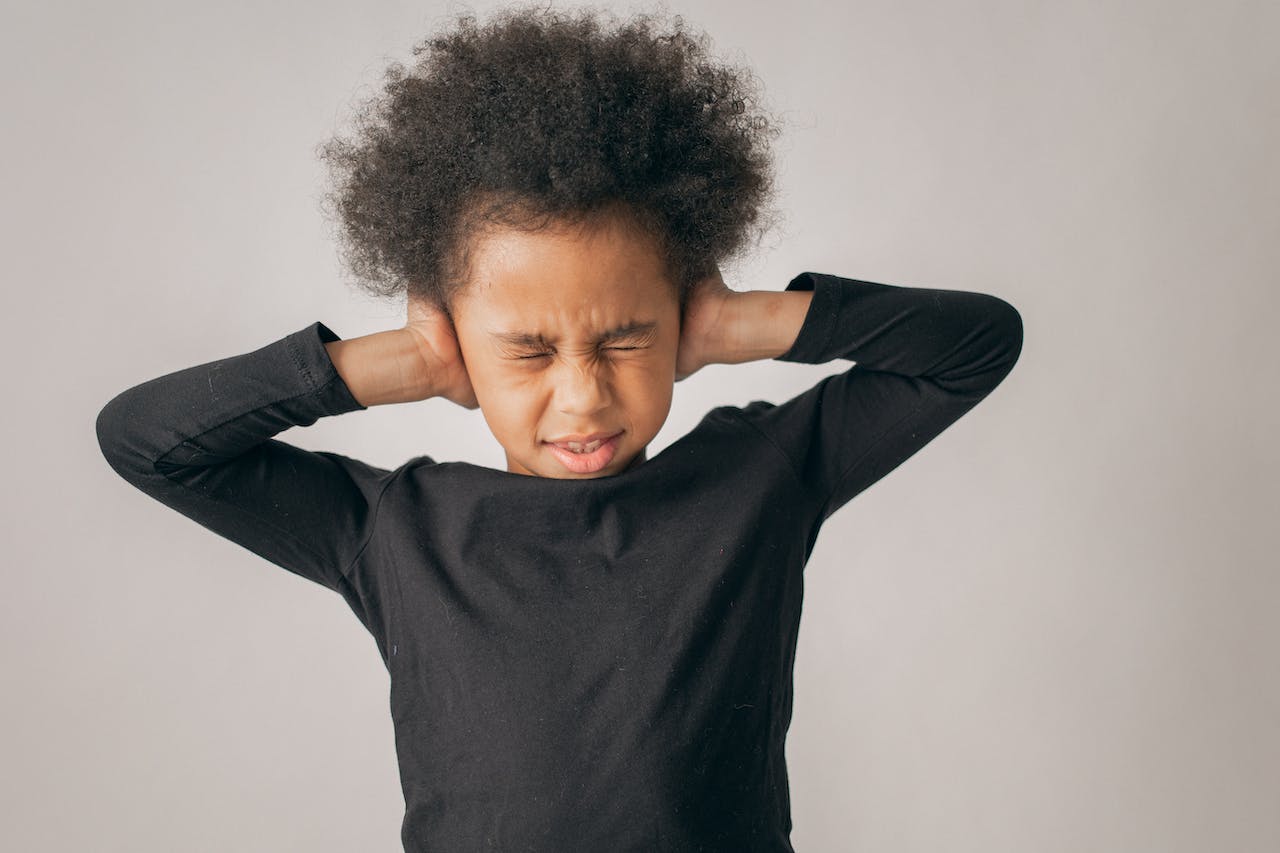
The hearing loss It is the main hearing problem, which results in hearing loss. It can be of varying severity (mild, medium and severe) and primarily affects the mature people: 12 percent of the world's population, and 40 percent of those over 65. But especially in recent years, hearing loss has become a phenomenon that also affects teens, children e Infants.
Index of topics
HEARING LOSS
The hearing loss It's a condition that can have various origins. It can be divided into two main types:
- Sensorineural hearing loss: The damage concerns theinner ear, cochlea or auditory nerve.
- Conductive hearing loss: The problem is about theexternal ear, the tympanic membrane and the ossicles of themiddle ear.
Less common, however, is themixed hearing loss which depends on a number of different, overlapping causes. But what are the root causes of hearing loss?
CAUSES
Hearing loss can have many causes Some of which are common while others are rare. In general, the most common causes are:
- Earwax plugs
- Otitis
- Infections due to virus
- Traumas to the ear, even just from sound sources
- Perforation of the tympanic membrane
- Otosclerosis
- Presence of foreign bodies within the ear canal
- Genetic dysfunctions or malformations
- Vascular dysfunctions
- Use of ototoxic drugs
- Neoplasias benign or malignant to the ear or auditory nerve
There may also be other, rarer causes that the competent doctor will try to discover with targeted tests.
SYMPTOMS
Hearing loss begins with a itinerary o severely reduced hearing ability. This may be associated with sensations of cotton wool of the ear, instability e dizziness, or presence of tinnitus.
DIAGNOSIS
Diagnosing hearing loss is a process that goes through several stages with a series of clinical tests which may be required, depending on the condition.
First of all, you need to contact a otolaryngologist which will be able to proceed with acomplete anamnesis and run tests such as:
- Otoscopy
- Audiometric test
- Ear impedance analysis
The specialist, for the purposes of anamnesis, may also request radiological tests such as bone scan o magnetic resonance.
HEARING LOSS IN ADULTS
It is the one that occurs most frequently, especially in older age, but anyone can be affected. Sometimes it's mild and you don't even realize it's there, but some clues can help you understand its existence.
Some signs may be the don't hear the bell ringing or the duty turn up the TV volume to understand what is being said. The causes are varied and although the'advance in age is the main one, among these other reasons may also arise such as those already listed above.
It's important to recognize the early signs and consult an ENT doctor for an early diagnosis. However, many of its causes can be prevented by paying a little more attention to certain daily habits:
- Avoid loud noises and turn down the volume of the television or music
- Do not use cotton buds to clean the ears
- Keep one good ear hygiene to prevent earwax plugs from forming
- Keep one active lifestyle to strengthen cardiovascular circulation
HEARING LOSS IN TEENAGERS
In adolescents, it is quite rare for cases of hearing loss to emerge, but not impossible. In most cases, it is due to congenital malformations, therefore, genetic or bad habits.
Tympanic membrane damage is the most common among adolescents and is caused by unconscious behaviors that can damage the outer ear. Common activities include:
- Listening to music at high volume for long periods of time (with or without headphones or earphones)
- Spending a lot of time outside in the urban traffic
- Going to clubs or discos with music that exceeds the normal decibel threshold
- Cleaning your ears badly or use the cotton buds damaging the eardrum.
It is clear that these are not the root motivations in all cases, but managing to avoid these contexts, as much as possible, can help and even significantly.
HEARING LOSS IN CHILDREN
In children, hearing loss can be detected based on some of their reactions, or rather, non-reactions to sound stimuli. To give you an idea, a child suffering from hearing loss might: do not react to unexpected noises, even strong ones. During the day you may need increase the volume on the TV or be in difficulty understanding everything that is said in some conversations.
In some cases, children with hearing loss have a delay in language development which also extends to speech and, therefore, pronunciation difficulties.
Other clues that may be key concern the child's partial inability to understand where do sounds come from?, but also the repetition of the "huh?", or not responding when called.
HEARING LOSS IN THE NATIONAL HEART
In this case, in most cases, it is a question of malformations o congenital dysfunctionsThe newborn is born with this condition and, underlying this, there is an abnormal development of one or more parts of the ear that leads the newborn to suffer from hearing loss.
It's more difficult for parents to determine if their newborn has this condition. The clues to look for to determine if a newborn has hearing problems are:
- The newborn does not react: does not move when stimulated by sound sources or does not cry in the presence of loud or unexpected sounds.
- He doesn't wake up: In the presence of loud noises.
- He doesn't turn his head: In the direction of the sounds.
- He doesn't try to imitate sounds on his own.
HOW TO PROTECT YOUR HEARING
Protect your hearing It's essential to having well-functioning ears throughout your life. To do this, you need to remember that many of our daily activities, even routine ones, can damage our hearing in some way. And this is where healthy prevention begins.
Listening to loud music, working on construction sites or doing maintenance work, being in very busy urban areas and other activities can affect and alter the quality of our hearing. Therefore, it is necessary to resort to some simple methods to reduce the possibility of your ears suffering from very annoying conditions in the future. Among these we remember:
- Headphones and earphones without exceeding the volume limit recommended by the devices.
- Use headphones and earphones as little as possible.
- Prefer music with ambient diffusion.
- Stay away from the cash registers in discos, cinemas, theatres or live events because la decibel power can damage, even irreversibly, your hearing.
- DPI: use personal hearing protection devices in the workplace (when necessary for working conditions. E.g. road construction sites, construction sites, factories).
These are just some of the tips to follow. For more on the topic: How to protect your hearing to avoid damage in the short and long term.
OTHER ARTICLES YOU MAY BE INTERESTED IN:
- Labyrinthitis: Symptoms, Causes, and Home Remedies
- Earache: Causes, Remedies, and Prevention
- How to Recycle Cotton Swabs: Useful and Creative Ideas
Want to see a selection of our news?
- Sign up to our newsletter clicking here;
- We are also up Google News , activate the star to add us to your favorite sources;
- Follow us on Facebook, Instagram e Pinterest.