
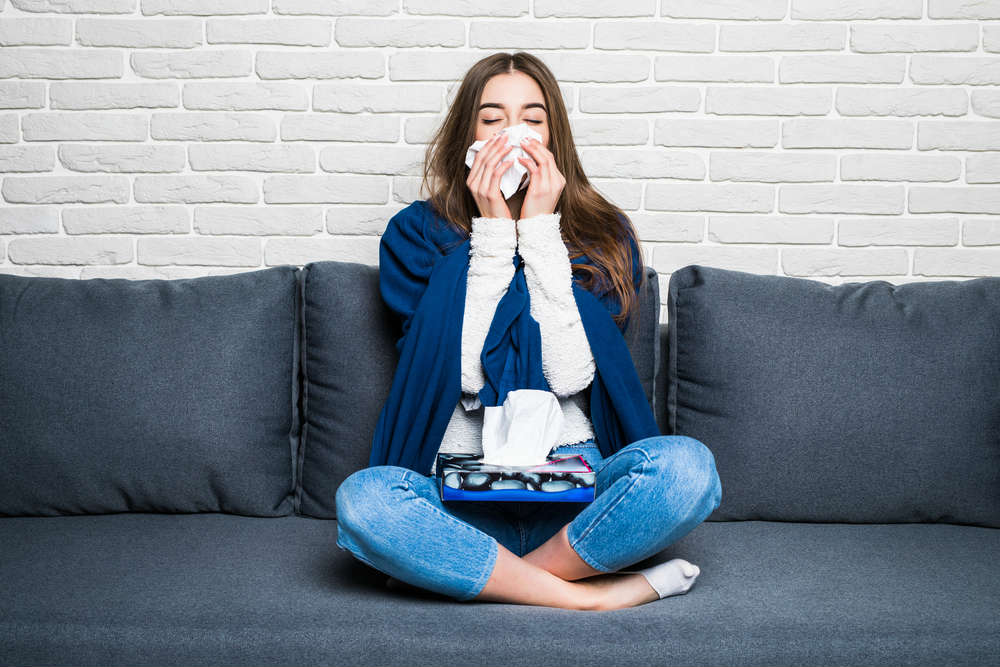
Allergies do not only occur in spring and summer, but can also strike in winter, when Immune system reactions generally involve substances other than pollen. In winter, the most common triggers are not pollen, but other substances called indoor allergens, as:
- Dust mites: They thrive in mattresses and blankets, proliferating with internal heat.
- sleeve: They grow easily in humid environments, such as basements or bathrooms, and can even be found in Christmas trees.
- Pet hair: they stay indoors due to less ventilation.
- Pollution (smog): fine dust can increase inflammation
These winter allergy triggers are particularly common among people who spend a lot of time indoors and in enclosed spaces, as dry heating air can irritate the airways, increasing sensitivity to allergens.
Plants that can cause winter allergies
There are some plants, which generally flower earlier, and are capable of producing the pollen that triggers winter allergies.
- Cupressaceae – Cypresses and thujas
- Cypress pollen can be present as early as late winter, especially in Mediterranean regions.
- It is highly allergenic and can cause sneezing, a stuffy nose, and itchy eyes.
- Betulaceae – Birches and hazelnuts
- Some species, such as birch, can begin to pollinate as early as late winter.
- Olivaceae – Olive tree
- In some milder areas, the olive tree can begin flowering as early as February or March, causing early allergic reactions.
- Grasses – Some resistant grasses
- Some grass varieties can pollinate in temperate climates during late winter, although most pollinate in spring.
Symptoms
The most obvious symptoms of winter allergies are:
- Runny nose or nasal congestion
- Frequent sneezing
- Itchy eyes, watery eyes
- Tosse shoal or wheezing
- In some cases, worsening of asthma or eczema.
Precautions
We see what precautions to take to protect yourself from winter allergies:
- Keep your house clean, avoiding that the dust It can accumulate everywhere—on objects, beds, sheets, furniture, and carpets. Avoid using harsh detergents, which can aggravate allergy symptoms, and avoid air fresheners if you're allergic.
- If your home is particularly humid, mold may form, which aggravates allergies. Use a dehumidifier To reduce the humidity level in which mold thrives, get rid of any objects on which mold has grown: shower curtains, rugs, etc.
- If you have at home animals, be sure to wash them well. animals with fur They can aggravate symptoms in allergy sufferers, especially in winter, when they spend a lot of time indoors. Remember to brush them once a week to remove any dander that builds up in their fur. Keep your dog or cat out of the bedroom to prevent dander from spreading in your bedroom.
- To combat winter allergies, buy a HEPA filter which retains the smallest allergen particles, reducing allergy symptoms.
- Use thevacuum cleaner To clean carpets and rugs and to remove dust, use damp cloths that trap it without spreading it around.
- Wash them often sheets where many mites accumulate and use anti-allergic covers for pillows and mattresses.
- A Christmas, those who suffer from allergies should opt for a synthetic treeThe real one, in fact, could hide mold. If you don't want to give up the beauty of a real fir tree, you absolutely must wash it before decorating it.
- Those who suffer from allergies should, according to the indications of naturopaths, eat healthy, favoring vegetables, low-glycemic carbohydrates, and spices. Fats should be avoided, as should alcohol, caffeine, dairy products, sugar, and red meat.
- The hydration Water and exercise are a panacea; therefore, it's good to drink at least eight 250ml glasses of water every day and exercise whenever possible.
- Il rest It plays a fundamental role because it strengthens the immune system and reduces stress, which causes allergies.
- Among the natural remedies, which you can take in the form of extracts and pills or infusions and decoctionsWe recommend: nettle, a powerful natural antihistamine; ginkgo biloba, with molecules that are highly effective against allergic inflammation; green tea, which should not be consumed with nettle; blackcurrant, apple cider vinegar, and basil infusion.
- Winter allergies can also be prevented by stocking up on vitamin D, during the summer but also in winter, walking in the open air and hiking at high altitude.
- Even with the Vaccine or allergies are prevented and the best time to do them is from late summer to early autumn, because the coverage begins about 2-3 weeks after the inoculation.
- Il prick test (the introduction of an allergen into the body to check the skin reaction) or the Rast test (a blood sample that reveals antibodies against a specific allergen) are the two ways in which the presence of a winter allergy is confirmed.
- The antihistamine, administered by your doctor, is usually the appropriate treatment for allergies. Those wishing to pursue natural medicine can consult a naturopath to develop alternative strategies.
Read also:
- Pollen allergy: symptoms, remedies, and prevention
- What tests are there for allergies?
- How to avoid allergies at home
Want to see a selection of our news?
- Sign up to our newsletter clicking here;
- We are also up Google News , activate the star to add us to your favorite sources;
- Follow us on Facebook, Instagram e Pinterest.