
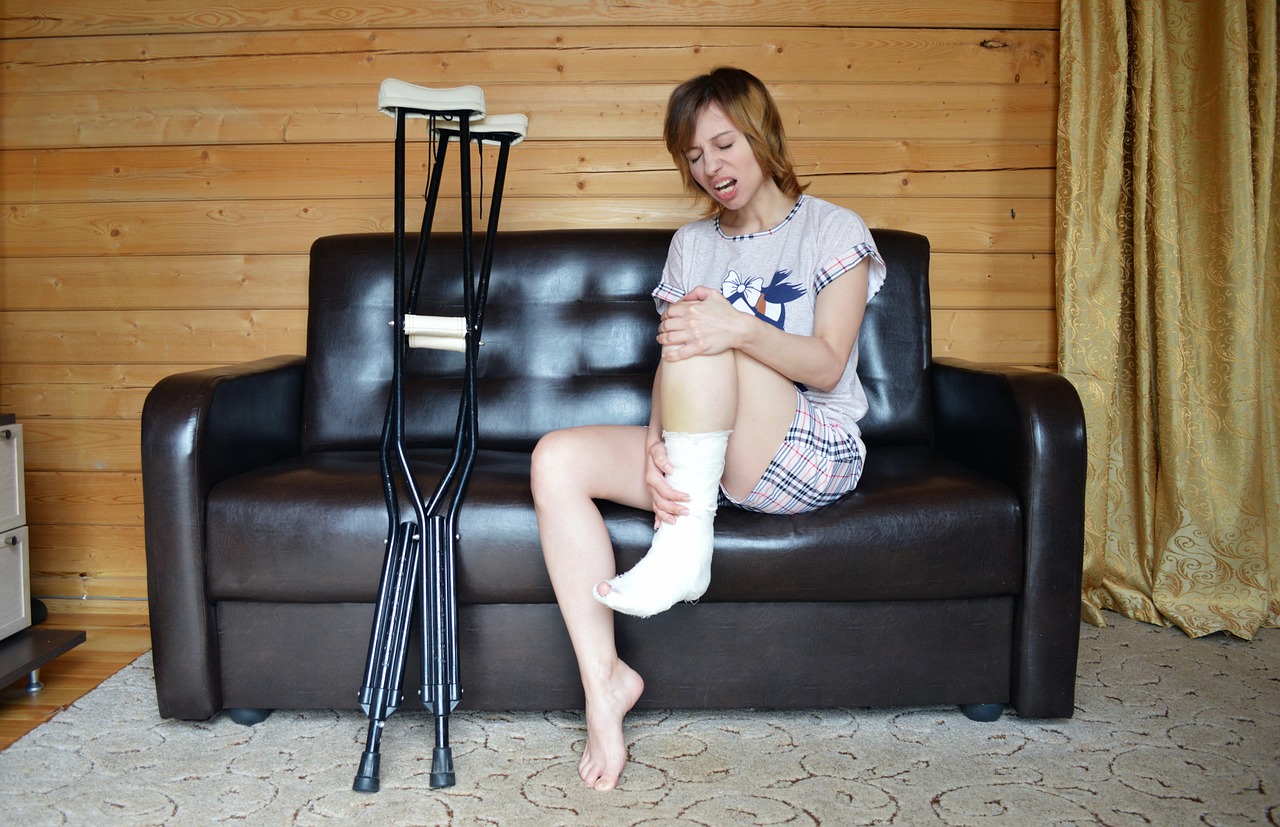
It is generally a temporary problem, which can affect overweight people, pregnant women and those who have to deal with discomfort in the venous system. In other cases, however, the swollen ankles, report more serious pathologies.
Index of topics
SWOLLEN ANKLES
Have the swollen ankles, especially in the evening, after working or being on your feet all day, is common and shouldn't be a cause for alarm. In the summer heat, edema is even more common, as the heat tends to highlight the problem.
Le swollen ankles are a common disorder in people in:
- Old age
- Overweight and even more so in the presence of obesity
- Pregnancy
- presence of venous insufficiency
The reason is a accumulation of liquid which moves from the vascular system into the free space between cells, i.e. the interstitial space, due to the better known water retentionAnd it's not just the ankles that can swell, but also the feet, calves, and thighs.

ALSO READ: Swollen legs: causes, remedies, and prevention
CAUSES
Le causes of swollen ankles There can be many causes. The problem usually occurs in the evening, after being on your feet for a long time, but also in very hot temperatures. It can also occur during pregnancy. In these cases, the discomfort is temporary and should not be a cause for concern.
The disorder can also occur following physical trauma, or due to clinical pathologies. The fluids that create edema can accumulate due to aprolonged immobility, administration of drugs, usually antihypertensive ones, one hormonal imbalance or, in the most serious cases, for heart, kidney, or liver failure.
Generally, if both ankles are swollen, could lead to suspicion of a systemic condition that has to do with increased pressure in the capillaries, or with a decrease in the pressure exerted by the proteins present in the blood plasma.
The Gbilateral swelling It could be a symptom of venous insufficiency, often chronic, or of inflammation at the joint level.
REMEDIES
If the problem is vascular in nature, you can follow some simple tips to reduce ankle swelling:
- Rotate your ankles and stretch your legs
- Drink a lot of water
- Avoid salt
- Sleeping with the legs slightly raised (10-15cm)
- Avoid shoes that are too high or too low
- Carry out regular physical activity
- Avoid being overweight
- To wear elastic stockings
- Don't wear too tight clothing
WHEN TO WORRY ABOUT SWOLLEN ANKLES?
Swollen ankles should start making a ringing sound alarm bell when the problem is not solved quickly, lying down, elevating your feet, or exercising. It's especially important to seek medical advice if the problem persists for a few days without resolving, even if your ankles are often swollen in the morning, right after waking up.
DISEASES THAT MAY BE ASSOCIATED WITH SWOLLEN ANKLES
There are numerous diseases associated with swollen ankles, among the main ones we have:
- Embolism
- Myocardial infarction
- Heart failure
- Kidney failure
- Venous insufficiency
- Lymphedema
- Rheumatic diseases
- Venous thrombosis
- Thrombophlebitis
- Varicose veins
The list of diseases, however, is not exhaustive and it is always best to contact your doctor if you experience the symptoms described above.

ALSO READ: Why walking up the stairs is so good for you
WHICH DOCTOR SHOULD I CONTACT FOR SWOLLEN ANKLES?
The doctor specialized in blood circulation is theangiologist, which can investigate the condition of the veins in the lower limbs with instruments such as Doppler ultrasound or Doppler ultrasound. But since swollen ankles can be due to numerous other disorders, it may be necessary to consult a gynecologists o endocrinologists for pregnant women or if there is a strong hormonal component.
At the same time, it may be necessary to draw on the experience of a nephrologist o cardiologist if a more serious renal or cardiac involvement is suspected.
DIAGNOSIS
The first step in identifying the disorder is to carefully evaluate the patient's history with the symptoms it presents. It's important to determine whether the condition is caused by physical trauma, an insect bite, or something else.
To better understand the root cause of the problem, it is necessary to verify whether:
- Le swollen ankles are they both or just one?
- The disorder appeared suddenly or was latent for a long time
It might be helpful to continue with a echocolordoppler in case it is suspected that the causes are of a vascular nature. While, it is advisable to echocardiogram if you think the problem may be caused by heart disease.
It is also possible to resort to specific blood tests that can highlight metabolic problems or problems related to arthritis or other rheumatic conditions.
PREVENTION
Good, healthy prevention is always the best weapon we have. For the legs, especially if you have a family history of vascular problems or pathologies that can lead to edema, it is a good idea to adopt a healthy and balanced diet, moderating the salt at the table and preferring vegetables e fruit.
To this must be added a dose of daily exercise. You don't need a lot of training, just a brisk walk.
One of the risk factors to avoid is the overweight, among the central causes for the onset, in the long term, of pathologies that can also affect the lower limbs. If necessary, monitor your weight regularly and try to lose a few pounds to be fitter too.
Additionally, it's best to avoid wearing shoes that are too high, such as heels, or those with soles that are too low. Even for pants, try to wear loose-fitting ones that allow blood to flow freely.
YOU MAY ALSO BE INTERESTED IN:
- Knee Pain: Natural Remedies and Prevention
- Back pain: the best natural remedies
- Shoulder Pain: Causes, Treatments, and Prevention
Want to see a selection of our news?
- Sign up to our newsletter clicking here;
- We are also up Google News , activate the star to add us to your favorite sources;
- Follow us on Facebook, Instagram e Pinterest.