
Index of topics
HOW TO PREVENT CANCER
How could one in three cancers be prevented? Simply by adopting a healthy lifestyle . Therefore, by avoiding wasting money on expensive tests and examinations, when the truly essential ones for effective cancer prevention, on which doctors and scientists fully agree, are the following: the Pap test for cervical cancer, the fecal occult blood test for early diagnosis of colon cancer, and mammography, which is essential for early detection of breast cancer.
READ ALSO: How to prevent cancer, it all depends on food, exercise, and smoking (Video)
LIFESTYLE TO PREVENT CANCER
Regarding lifestyle, unlike the various tests that are still being debated, there are comprehensive, rigorous and continuously updated scientific studies, in which experts from all over the world participate, which demonstrate and explain unequivocally how important, let's say fundamental, are, for example, a good diet, a healthy weight and physical activity.
LEARN MORE: How to protect your heart: simple steps to prevent cardiovascular disease
DECALOGUE FOR PREVENTING TUMORS
Specifically, here is the prepared Decalogue carved into the European Code Against Cancer with all the recommendations selected by the International Agency for Research on Cancer (IARC) , with which Umberto Veronesi's Italian team has collaborated on several occasions. As you can see, these are really simple things that we can all do every day. Try to imprint them in your mind.
DO NOT SMOKE
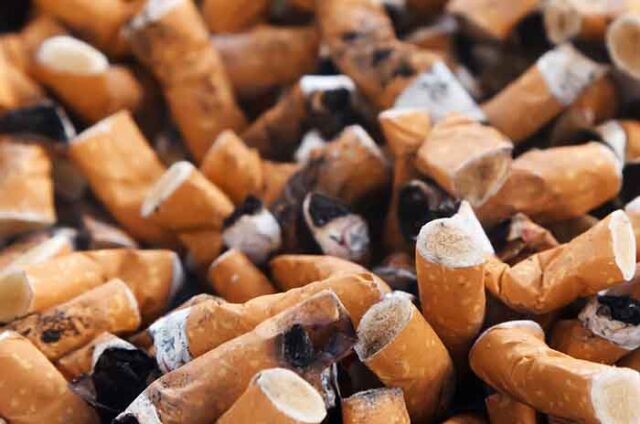
Did you know that lung cancer would be virtually nonexistent if no one smoked? Regardless of tobacco use, smoking alone is responsible for 90 percent of lung cancer cases. Not only that, but throwing away cigarettes also reduces the risk of developing mouth, stomach, and bladder cancer (this is where harmful substances excreted through urine come into play). Not to mention the respiratory diseases that could be avoided.
AVOID PASSIVE SMOKING
A study conducted by a team of researchers at the Icahn School of Medicine at Mount Sinai in New York and published in the journal Carcinogenesis recently confirmed the harmful effects of secondhand smoke, highlighting a 20-30 percent increased risk of lung cancer in people who live in close proximity to a smoker. Furthermore, the study found that there are many times when we are exposed to secondhand smoke without even realizing it: for example, when we are walking down the street and see someone smoking nearby, or when we get into a car where a smoker has just exited. These are occasional sources where we come into contact with smoke, which increases blood cotinine levels.
LIMIT YOUR CONSUMPTION OF ALCOHOLIC BEVERAGES
In 1988, the IARC (International Agency for Research on Cancer) classified alcohol as a carcinogen, meaning a substance for which there is sufficient scientific evidence that it promotes the development of cancer. Alcohol irritates the mucous membranes, preventing damaged cells from repairing themselves properly, and this contributes to the development of mouth and throat cancers. In the liver, however, alcohol can inflame liver cells: this, over time, leads to the formation of cancer cells. Regardless of the type of alcohol, it is alcohol itself and the amount consumed that causes harm to the body. And the risks increase even further if alcohol is combined with smoking.
FOLLOW A HEALTHY DIET
Avoid refined, pre-cooked, and pre-packaged foods high in sugar and fat, as well as carbonated and sugary drinks. Instead, favor rice, legumes, vegetables, and fruit. Limit your consumption of red meat , no more than 500 grams per week, and avoid frequent cured meats and processed meats.
LIMIT SALT CONSUMPTION
No more than 5 grams per day and the limitation also applies to foods preserved in salt.
MAINTAIN A CORRECT BODY WEIGHT
Obesity and being overweight can also cause cancer : keeping yourself in perfect physical shape can significantly reduce the risks.
DO PHYSICAL ACTIVITY
Even a brisk walk for half an hour a day is enough to stay fit and counteract the health risks associated with a sedentary lifestyle. And don't forget that some simple daily habits can prove important: taking the stairs instead of the elevator, walking or cycling instead of driving for short distances, or even taking a walk during your lunch break.

AVOID EXPOSURE TO SUN RAYS
Limit your use of tanning beds and lamps, and during the summer, always use adequate sunscreen and avoid sunbathing during the hottest hours of the day. Don't forget to protect children from the sun's rays.
BREASTFEEDING CHILDREN
Breastfeeding for at least 6 months reduces the risk of breast and ovarian cancer.
DON'T NEGLECT PREVENTION
Prevention is essential to avoid risks: discuss with your doctor when and which tests you should undergo. If we all adopted a healthy lifestyle, one in three cancers could be prevented.
WHAT FOODS ARE FIGHTING CANCER?
- fruits and veg
- garlic
- oats
- beet
- onion
- cruciferous
- turmeric
- Red fruits
- green tea
- nuts
- Lemon;
- fibers
- foods rich in beta-carotene
- vegetable
- tomatoes
- foods with vitamins C and E
- blue fish
THERE ARE NO SUPERFOODS THAT PREVENT CANCER
DOES RED MEAT CAUSE CANCER?
WHO IS MORE PREDISPOSED TO CANCER?
HOW TO PREVENT CANCER: EVERYTHING YOU NEED TO KNOW
- Red meats: Processed meats, such as sausages, can contribute to several types of cancer.
- Coffee is not carcinogenic: the ruling of the International Agency on Cancer
- Cancer vaccine, because this time we can truly hope. With caution.
Want to see a selection of our news?
- Sign up to our newsletter clicking here;
- We are also up Google News , activate the star to add us to your favorite sources;
- Follow us on Facebook, Instagram e Pinterest.