
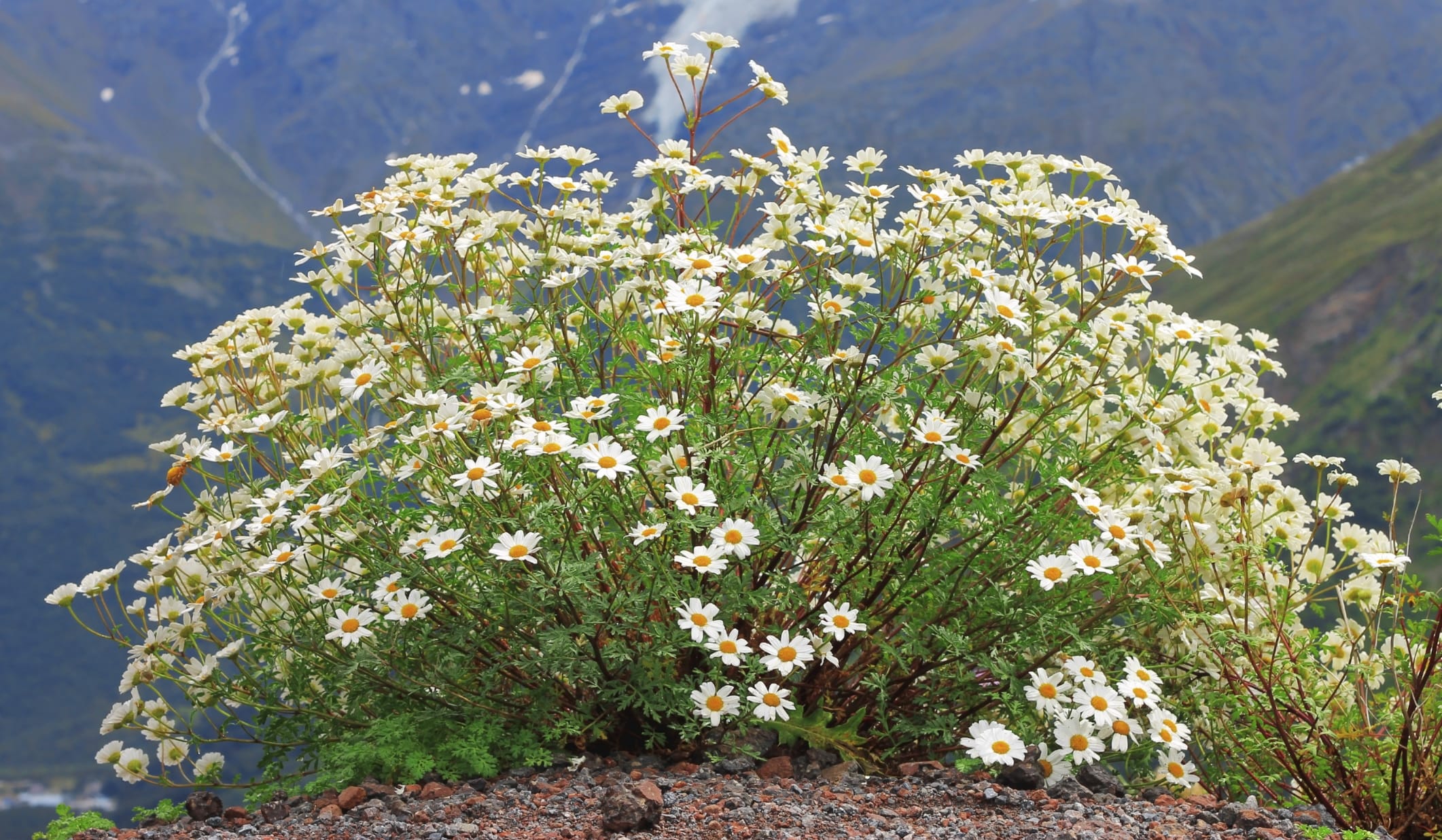
Chamomile tones the skin and improves sleep quality. Bilberry combats diarrhea and bile duct disorders. Nettle is an excellent cleanser that also helps stop hair loss.
Mountain plants can help us solve many problems due to their soothing and, in some cases, even therapeutic qualities. The important thing is not to expect miracles, and to go to the doctor—not the usual Dr. Google—when necessary based on the symptoms of your illness. Otherwise, if you frequent the mountains, all you need to do is recognize mountain flowers, herbs, and plants, perhaps using one of the most popular apps. These include: Pl@ntnet, which can be downloaded from the Play Store or the App Store; iForest, which you can access on both Android and iOS; and Herbarium, available only on Android.
To treat ourselves with mountain plants, we need to understand their characteristics and the types of problems they're suitable for. Just like when we go to the pharmacy to get a medicine, based on a doctor's prescription. There's no single mountain plant that can be effective for everything. Let's look at the most common and useful ones.
Index of topics
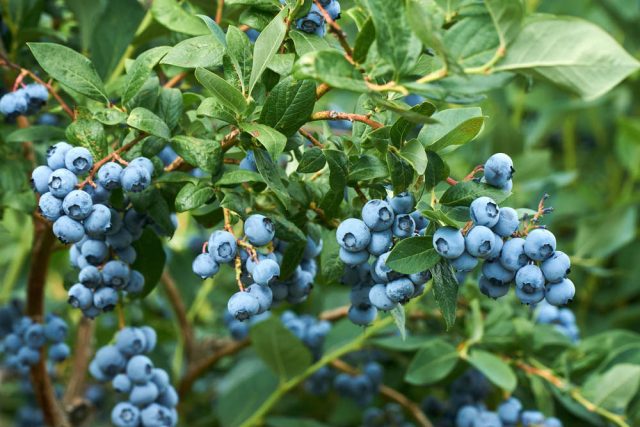
Sweet woodruff
Woodruff grows in shady areas and is a plant with a slender stem that produces six to eight white flowers, which bloom from May to July. Woodruff is excellent for intestinal and stomach disorders, treats loss of appetite , relieves hyperactivity, controls epilepsy, and also has excellent diuretic and sedative properties. It should be picked before it flowers, dried, and preserved for use as needed. It also makes excellent infusions, prepared by steeping 50 grams of woodruff in a liter of boiling water for about an hour.
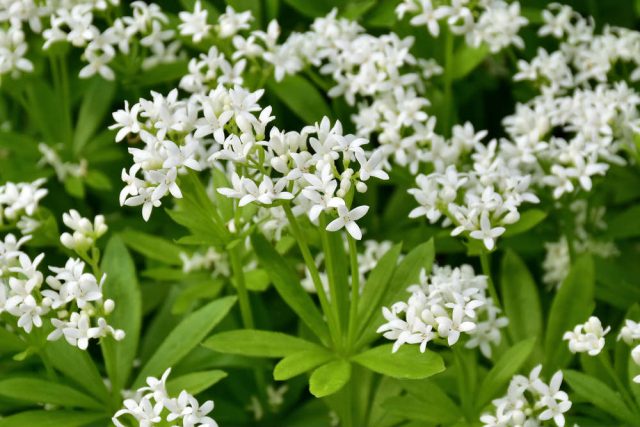
Blackberry
Bilberry is a forest plant, highly effective against diarrhea, biliary diseases, and acute enteritis, ailments for which a decoction is an excellent remedy. Boil two or three handfuls of fresh or dried bilberries in half a liter of water for five minutes. Then, strain the juice and drink it three times a day on an empty stomach. You can also prepare a bilberry tincture by steeping three handfuls of berries in a liter of old grappa for ten days. A spoonful of this tincture, taken in a cup of hot water, will relieve your ailments. Eczema and itchy skin can be treated with a bilberry ointment, made by crushing the berries and boiling them until the water evaporates. The resulting syrup will be thick and should be stored in an airtight container for use as needed. The blueberry is a protected species in Lombardy and Friuli, so picking it is prohibited in these regions.
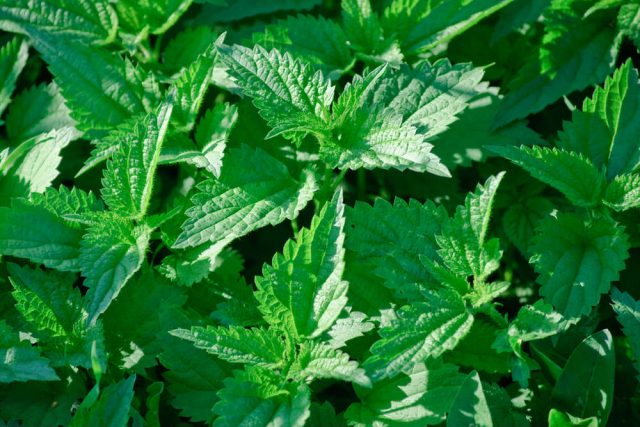
Nettle
Nettle is rich in mineral salts and vitamins C and A, potassium, calcium, and phosphorus, and has diuretic, anti-anemic, and purifying properties. It can also be used to combat hair loss , diabetes, diarrhea, rheumatism, and gout. An excellent decoction is prepared by cooking 50 g of leaves and young stems in 1.5 liters of water and boiling until reduced to 1 liter. Then strain and bottle, drinking up to 3 small glasses a day. In some areas, it may be considered a protected species, so always check before picking it, unless you grow it yourself.
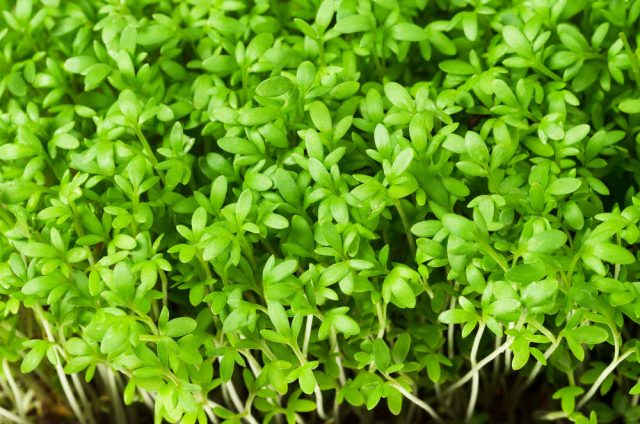
Cress
Watercress , an annual plant of the cruciferous family, grows near watercourses and is excellent for the kidneys, thanks to its diuretic properties. It also has notable invigorating properties, making it beneficial for those suffering from asthenia, and helps detoxify the body . Its leaves, applied to the skin, treat infections. The fresh juice of the stem and flowers has expectorant properties, thus alleviating respiratory ailments.
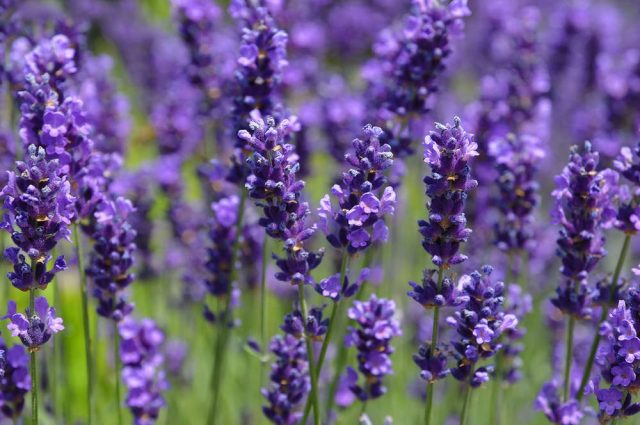
Spontaneous lavender
Wild lavender is considered a true "magical plant" due to its many active ingredients. The oil obtained from it, when inhaled, works very well as a relaxant for anxiety, nervousness, stress, and even insomnia. In some cases, it also has positive effects on headaches. Furthermore, mountain lavender is antiseptic and anti-inflammatory, relieves neck pain and muscle strains, and heals burns and insect bites.
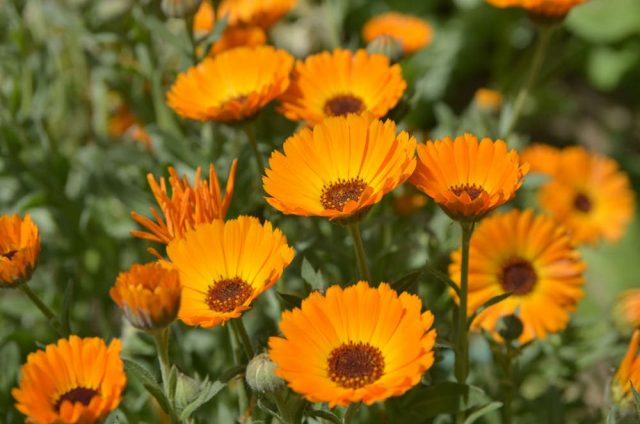
Calendula
Calendula : Its mucilage has a protective and emollient effect, making it an excellent natural remedy for diaper rash in infants or even for sun protection. Calendula also has excellent antiseptic and antibacterial properties.
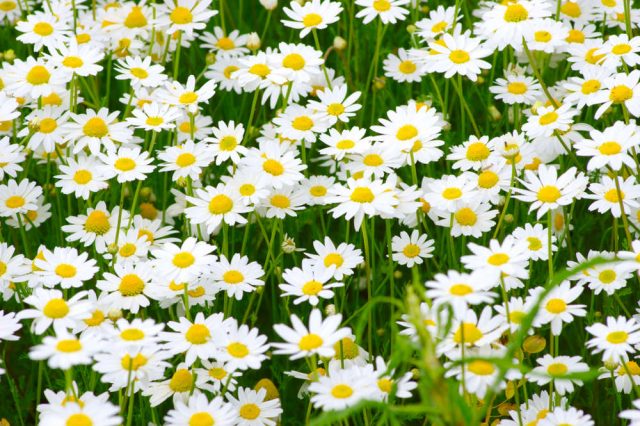
Mountain chamomile
Mountain chamomile is ideal for sleep, but it's also an excellent remedy for decongesting the intestines, toning the skin, and refreshing the body. Its qualities were already described in the writings of Pliny the Elder.
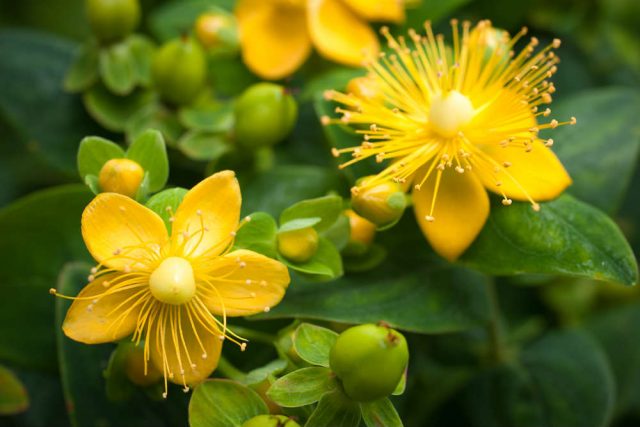
St. John's wort
St. John's wort , also known as St. John's wort, is rich in flavonoids and hypericin. It's a perfect soothing agent with healing properties, especially on sunburn.
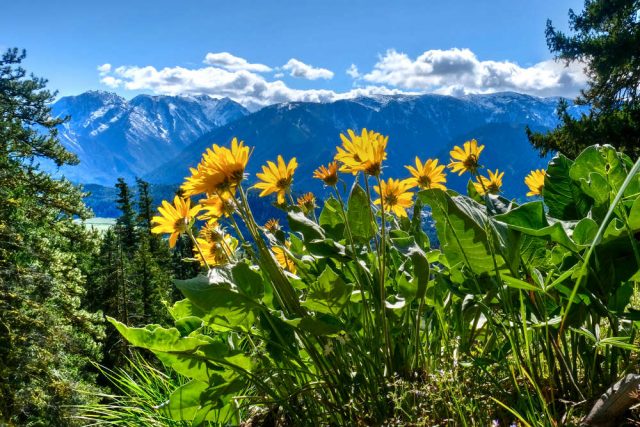
Mountain arnica
Mountain arnica , also known as the “fall herb,” is excellent for sprains, bruises, general trauma, muscle strains, and tendonitis.
Mallow
Mallow. It grows not only in the mountains, but also in the plains. When it comes into contact with water, it produces mucilage, the active ingredients in its soothing and emollient properties. Mallow is valuable for protecting the gastric mucosa and promoting intestinal transit.
Elder
Elderberry. This mountain plant is well known for the syrup it produces. Its flowers also have soothing and protective effects on the upper respiratory tract.
Read also:
- Rediscovering well-being with anti-stress plants: what they are and all their health benefits
- Calendula: properties, uses and benefits
- Aloe vera: properties, benefits, and how to use it
Sign up for our newsletter to stay up-to-date. Click here!
Want to see a selection of our news?
- Sign up to our newsletter clicking here;
- We are also up Google News , activate the star to add us to your favorite sources;
- Follow us on Facebook, Instagram e Pinterest.