
Index of topics
Origins
Meaning
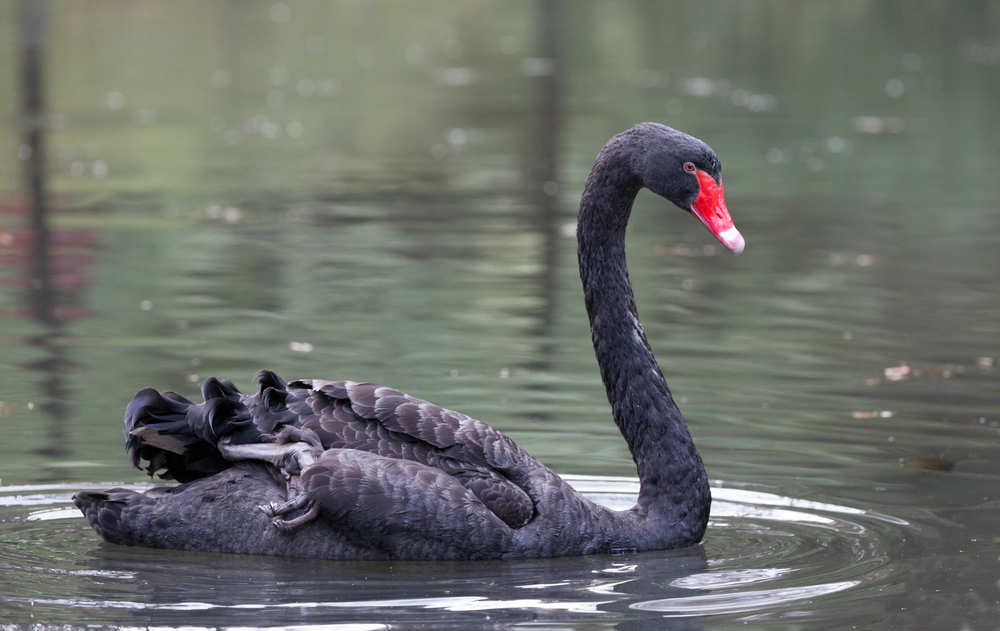
Taleb, to scientifically explain his theory, starts with the name: before the Black Swan was discovered in Australia, everyone, including scientists, thought swans were exclusively white. This was a predictable idea, yet one based on its historical evolution, but it was later demolished by the unexpected discovery. Indeed, a Black Swan can never be predicted, imagined, or classified using scientific methods, due to its extremely low-probability nature. When it arrives, it is often not even recognized for what it truly is. It is, first and foremost, an isolated event that falls outside the realm of normal expectations, since nothing in the past can plausibly indicate its possibility.
Secondly, it has a huge impact. Finally, despite its isolated character, human nature, with its prejudices, leads to the elaboration of a posteriori justifications for its appearance, to make it explainable and predictable.
Features
- RarityThe event is extremely rare and unexpected, so much so that it does not fit into the forecasts and models commonly used to analyze reality.
- Extreme impactThe effects of a Black Swan are enormously impactful. These events have the potential to cause radical changes, both economically and socially.
- Retrospective reasonOnce a Black Swan has occurred, we tend to rationalize the event and believe it was somehow predictable, even if it actually wasn't. In other words, our ability to retroactively explain an event makes it difficult to accept its inherent unpredictability.
How to deal with it
Here five rules exclusives to bewitch the black swan.
- Changing our way of thinking freeing the mind from prejudices It's the first important rule.
- Study mainly rare and extreme events to understand common onesAll studies of social life exclude the extraordinary to focus on the normal, not on rare events and their resulting shocks. To understand a phenomenon, one must first consider the extremes, and in particular whether they have an extraordinary cumulative effect, like a black swan event.
- Never let fear paralyze you and not take action.If you're too worried about the next potential black swan event, such as an economic crisis, you might miss out on good investment opportunities.
- Always put yourself in a position to seize opportunitiesYou need to have cash to invest when prices are extremely advantageous, and that's precisely the time when everyone else is running away.
- Never invest what you might needFirst, you need a savings fund, then a protection fund, and only then an investment fund. Never find yourself in the situation of having to sell your investments following the arrival of a black swan!
Criticisms of the Black Swan theory

Read also:
- "What people think? Pay as little attention as possible." Philip Roth
- "Altruism makes the world a better place." Peter Singer
- How to bring lightness into our lives
Want to see a selection of our news?
- Sign up to our newsletter clicking here;
- We are also up Google News , activate the star to add us to your favorite sources;
- Follow us on Facebook, Instagram e Pinterest.