

SAVING BOOKS FROM ISIS –
ISIS burns books and destroys monuments; the Nazis themselves loved setting bonfires with volumes they deemed inappropriate to the regime. Fanatics have always targeted culture to promote their worldview, attempting to destroy the historical and artistic foundations of the communities they seek to colonize . A crime against humanity, which, day after day, brave heroes—it's fitting to call them that—are remedying, saving hundreds of books thanks to new technologies. These are the Benedictine monks of the Middle East, who, after centuries spent hand-copying the precious manuscripts of the past, have now learned to make the most of technological progress and, armed with scanners and computers, are limiting the damage caused by Daesh's madness.
ALSO READ: The woman who saves endangered fruits. Isabella works in a garden of 440 plants. Precious (photo)
FATHER COLOMAB STEWART –
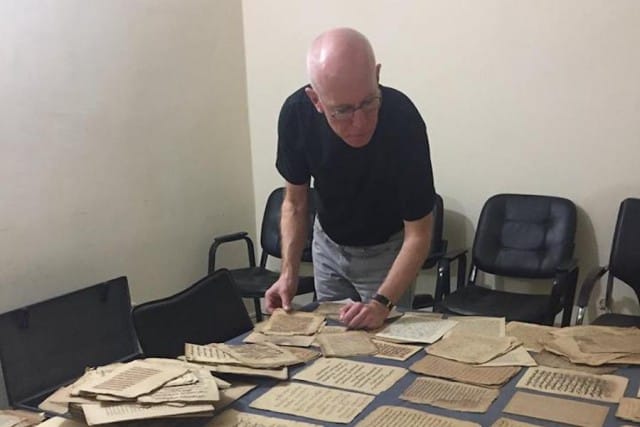
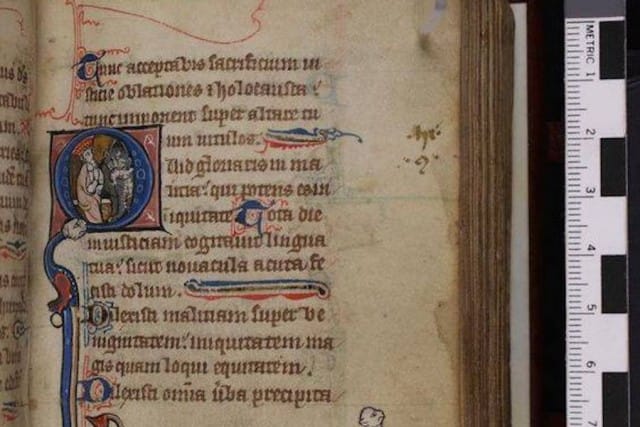
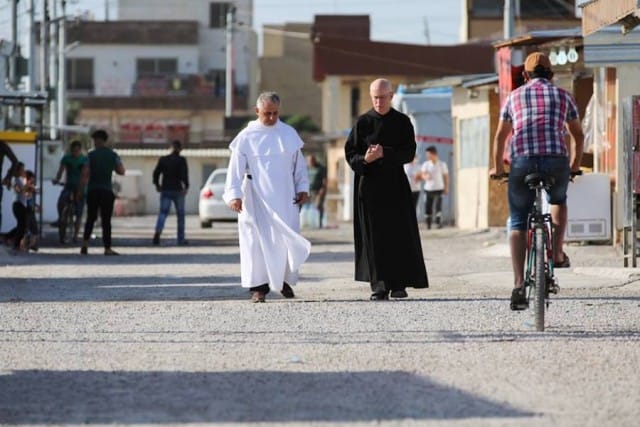
Leading this veritable salvation army is Father Columba Stewart , a 59-year-old Benedictine monk who since 2003 has been training technicians capable of photography and archiving to save the treasures of the past. Among these are priceless manuscripts dating back to the 6th and 7th centuries AD, many of which were written in Syriac, the language of the oldest Christian communities in the Middle East . To date, his team has digitized over 50,000 ancient texts, saving them from wear and tear, theft, war , or religious fanatics. For 14 years, Columba has been the head of the Hill Museum & Manuscript Library (HMML), a non-profit organization based at Saint John's Abbey and University in Collegeville, USA, dedicated to the digital preservation of ancient texts. Many of these are now housed in the Syriac Orthodox Monastery of St. Mark in Jerusalem , where they are brought to be saved in what has become a race against time. Because of ISIS, in fact, 2,000 of the 6,000 documents reproduced by the HMML in Iraq have been lost forever . "It would be even more painful if those works had not been digitized," Father Columba stated in a recent interview, "because it would mean losing them forever."
SAVE THE CULTURE –
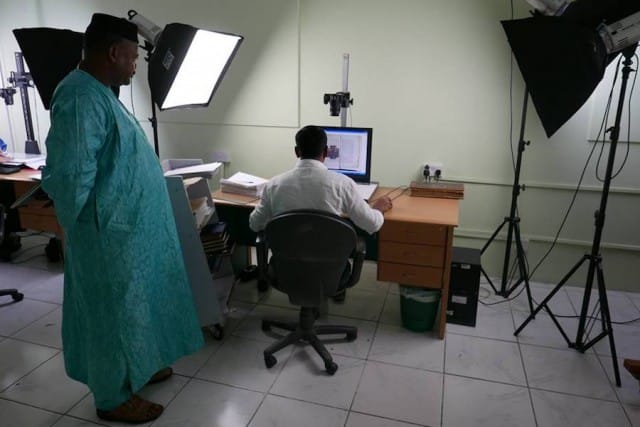
The digitization of manuscripts always takes place on-site, in spartan studios equipped with strobe lights and high-definition cameras connected to a computer. Today, with more than 140 copies, the HMML houses the world's largest collection of manuscript images. Books saved from ISIS and al-Qaeda, which in recent decades have devastated priceless treasures in Africa and the Middle East . To avoid this, Columba traveled between Iraq, Syria, and Mali, training local technicians to photograph centuries-old texts for preservation. The Institute's goal is to create the most complete digital collection of manuscripts in the world, accessible online and free of charge. But for Columba, the most important goal is to foster rapprochement between Christians and Muslims in a particularly difficult time . Three years ago, in fact, the institute made the historic decision to also include Muslim manuscripts in its program. Because culture has no color or religion and speaks a universal language.
Photos are from the Hill Museum & Manuscript Library Facebook page
TO KNOW MORE: Raising Funds for Books: How Kickstarter Creates Best Sellers
Want to see a selection of our news?
- Sign up to our newsletter clicking here;
- We are also up Google News , activate the star to add us to your favorite sources;
- Follow us on Facebook, Instagram e Pinterest.