
Index of topics
POLLUTED LAKES
LAKE POLLUTION IN ITALY
LAKES AND CLIMATE EMERGENCY
The lack of rainwater affecting Northern Italy is significant. According to ARPA data, a water deficit of over 40% is being reported. This has reduced the amount of water in mountain lakes by billions of cubic meters compared to the average. This is the case for Lake Benaco and Lake Sebino, which have significantly lower water intakes. Lake Como , on the other hand, reached an all-time low during the summer months, with no more storage capacity.
But which are the polluted lakes that cause the most concern, or those most at risk?
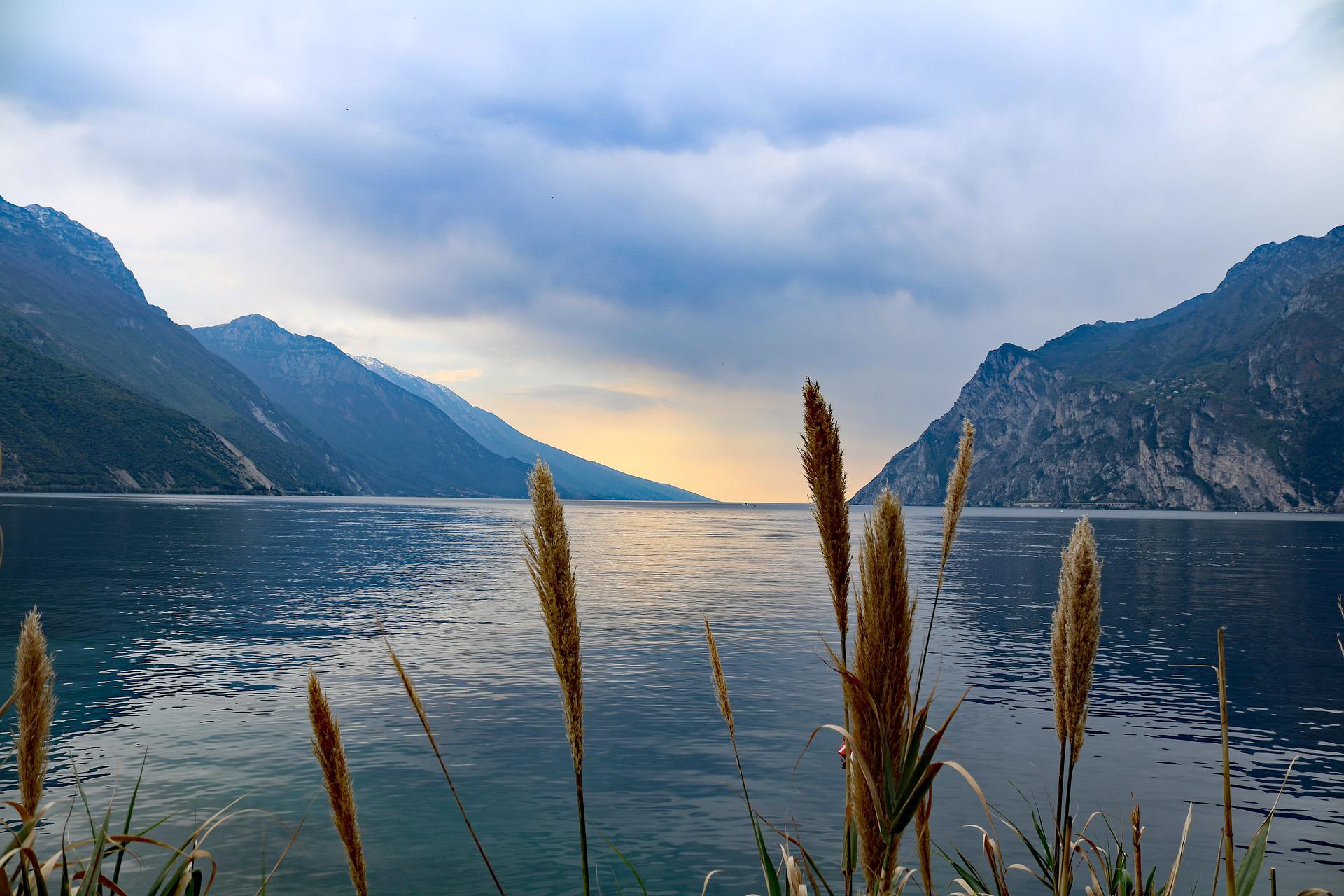
LAKE GARDA, VENETO, LOMBARDY, TRENTINO
In the municipality of Lazise, Veneto, samples were negative. One sample was deemed contaminated , and another was even severely contaminated. Legambiente Veneto is working to monitor the region's waters to prevent further problems from arising in the lakes.
The situation is worsening on the Lombardy side of Lake Garda . In fact, all the surveys conducted by Goletta and Legambiente in the area have yielded a single, disappointing result: levels exceeding the legal threshold and placing them in the worst pollution category . Here, the water quality is compromised by the waterways that flow into the lake, contaminated by illegal dumping and polluting operations.
READ ALSO: Valentina and Alfredo, two months hunting for plastic in the ocean
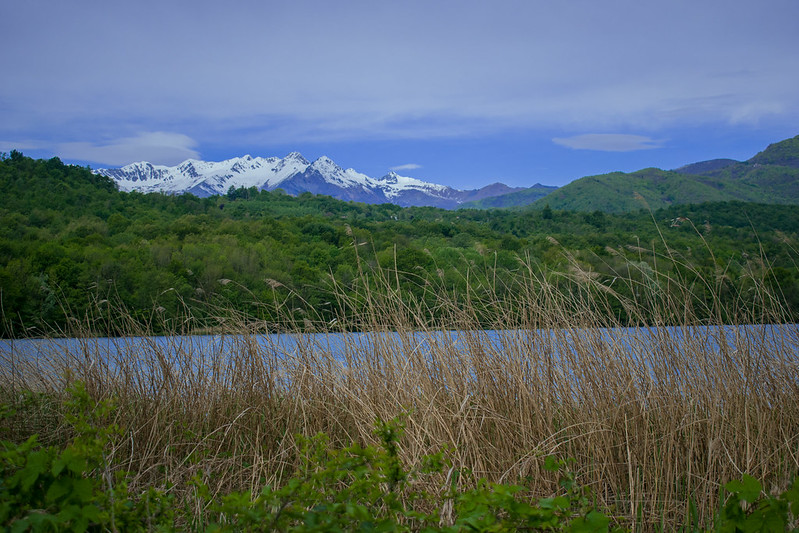
SMALL LAKE, PIEDMONT
In the eye of the storm, in Piedmont as in other regions of Italy, canals and estuaries always lurk. These are the central conduits through which microbiological pollution , caused by poor sewage treatment or illegal dumping, reaches the lakes. And Lake Piccolo is certainly the basin that pays the highest price.
Lake Maggiore and Lake Orta have shown critical points, with levels well above legal limits. However, they are not so severe as to prohibit swimming, as was the case with Lake Piccolo. The latter, in fact, has levels of Escherichia coli exceeding the limits set by the Ministry of Health. This is due to heavy pollution from fertilizer irrigation of the Trana peat bogs .
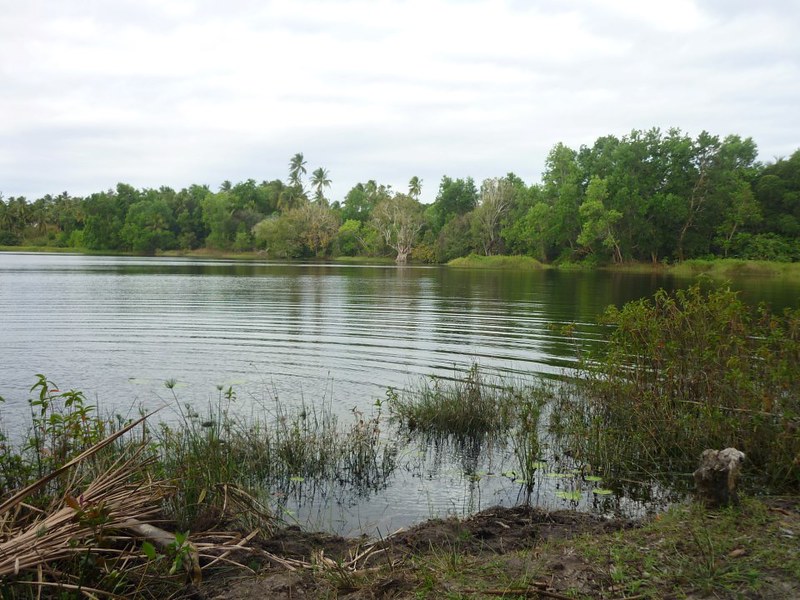
OWEN TARN, TANZANIA
The condition of Tanzania's watersheds is dire. According to studies conducted by the Australian National University, Owen Tarn and Basin Lake are the worst polluted lakes in the world. The analyses and research conducted not only point to the exploitation of raw materials through decades of mining, but also to the presence and significant quantities of lead , cadmium , arsenic , and copper.
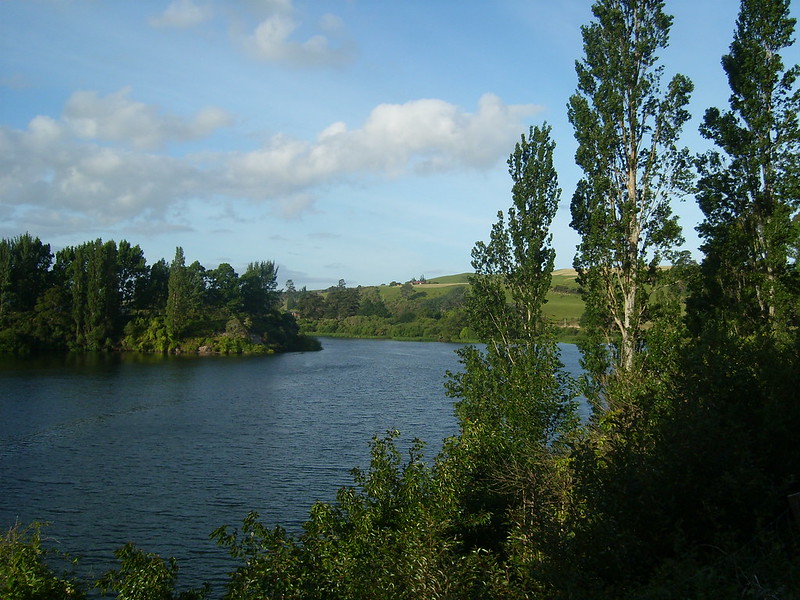
WAIKATO LAKES, NEW ZEALAND
New Zealand faces a critical situation where the Waikato is among the most polluted in the world. Low water levels, the growth of toxin-producing algae, and polluting discharges have reduced the lake and many other nearby reservoirs to a dramatic state. Surveys conducted over the past 10 years have shown no improvement in the lake's condition, and no serious measures appear to have been taken to restore it.
READ ALSO: Dirty beaches: 700 pieces of rubbish every 100 meters
LAKE KARACHAY, RUSSIA
The case is quite curious, considering it's one of the most radioactive lakes on the planet. Not only is Lake Karachay among the most polluted lakes in the world, it can release a lethal dose of radioactivity in just an hour.
Consider that the lakebed is covered in nuclear waste used in the mid-900s by Russia to conduct experiments in a nuclear weapons factory. This lake, which at first glance might seem captivating due to its surrounding scenery, has dramatically affected the surrounding cities, air quality, water pollution levels, and, finally, has seen an increase in:
- 41% leukemia
- 25% of congenital diseases at birth
- 21% cancer
A location that is perhaps best not visited at all.
LAKE SOPRANO, SICILY
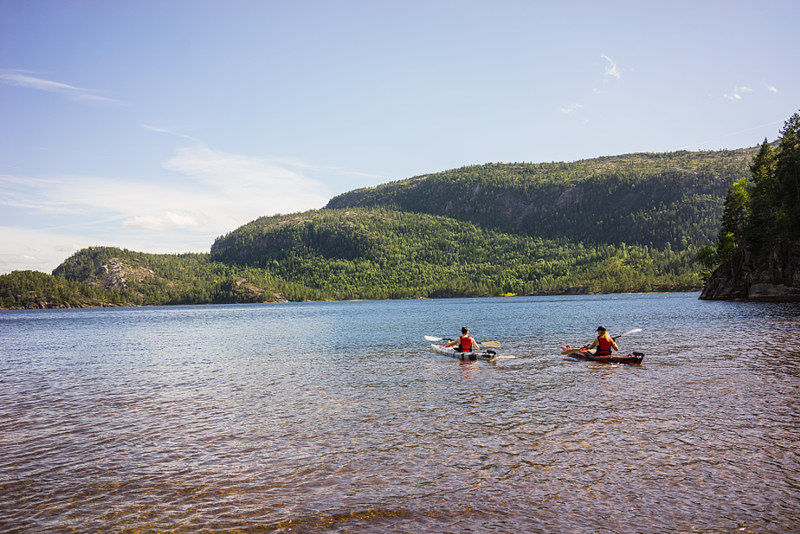
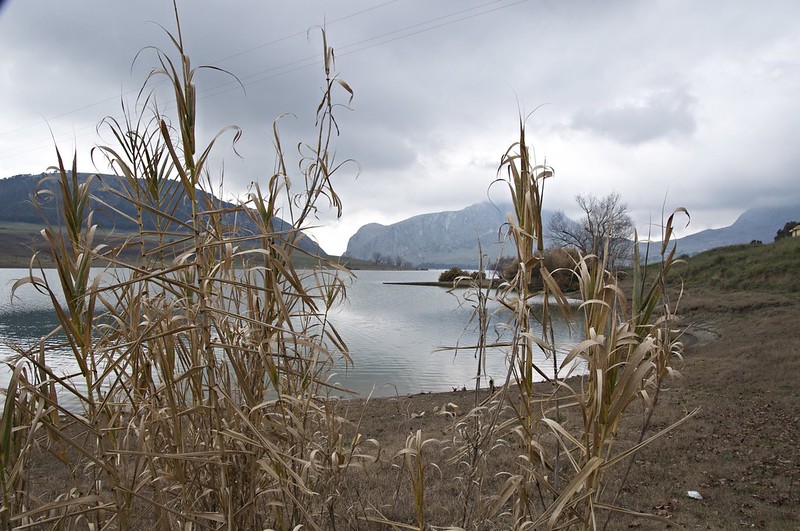
It has nothing to do with the critical conditions of the lake near the Ural Mountains in Russia, but Lake Soprano in Sicily is characterized by poor management and pollution that far exceeds the legal limit in the country. It's not the only lake on the island, but it's certainly the most glaring case. Legambiente has painted a far from pleasant picture, where the lake appears to be worsening year after year.
READ ALSO: Microplastics in cosmetics: where they are found
BELLANDUR LAKE, INDIA
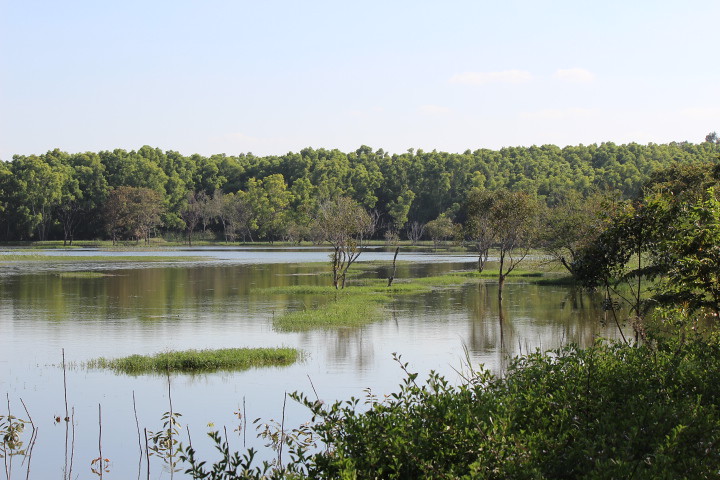
The lake, if it can still be called that, is one of the world's worst polluted bodies of water. The main problem arose from uncontrolled and unregulated urbanization. This led to the Bellandur becoming an open-air landfill. At times, the toxic foam that formed on the banks even caused it to burn, worsening the already disastrous situation.
LAKE VICTORIA, AFRICA
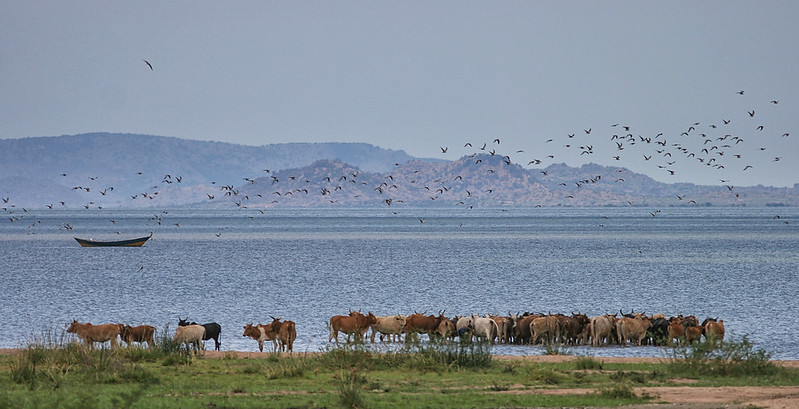
The world's largest tropical lake is also among the most polluted on the five continents. Its only tributary is the Nile, which already carries waste from the cities along its path. The situation is made worse by the way the population manages the lake. In particular, household waste , industrial waste , sewage , chemicals , and fertilizers are dumped into the basin.
LAKE ONONGADA, NEW YORK
Due to deadly mercury concentrations , swimming, fishing, and any activity involving contact with the water are prohibited. Furthermore, the lake has been used as a direct sewage dump for decades, without any filters or purification systems. At the same time, various surveys have reported high concentrations of heavy metals and toxic waste , condemning the basin to be one of the most dangerous polluted lakes.
LAKE BAIKAL, RUSSIA
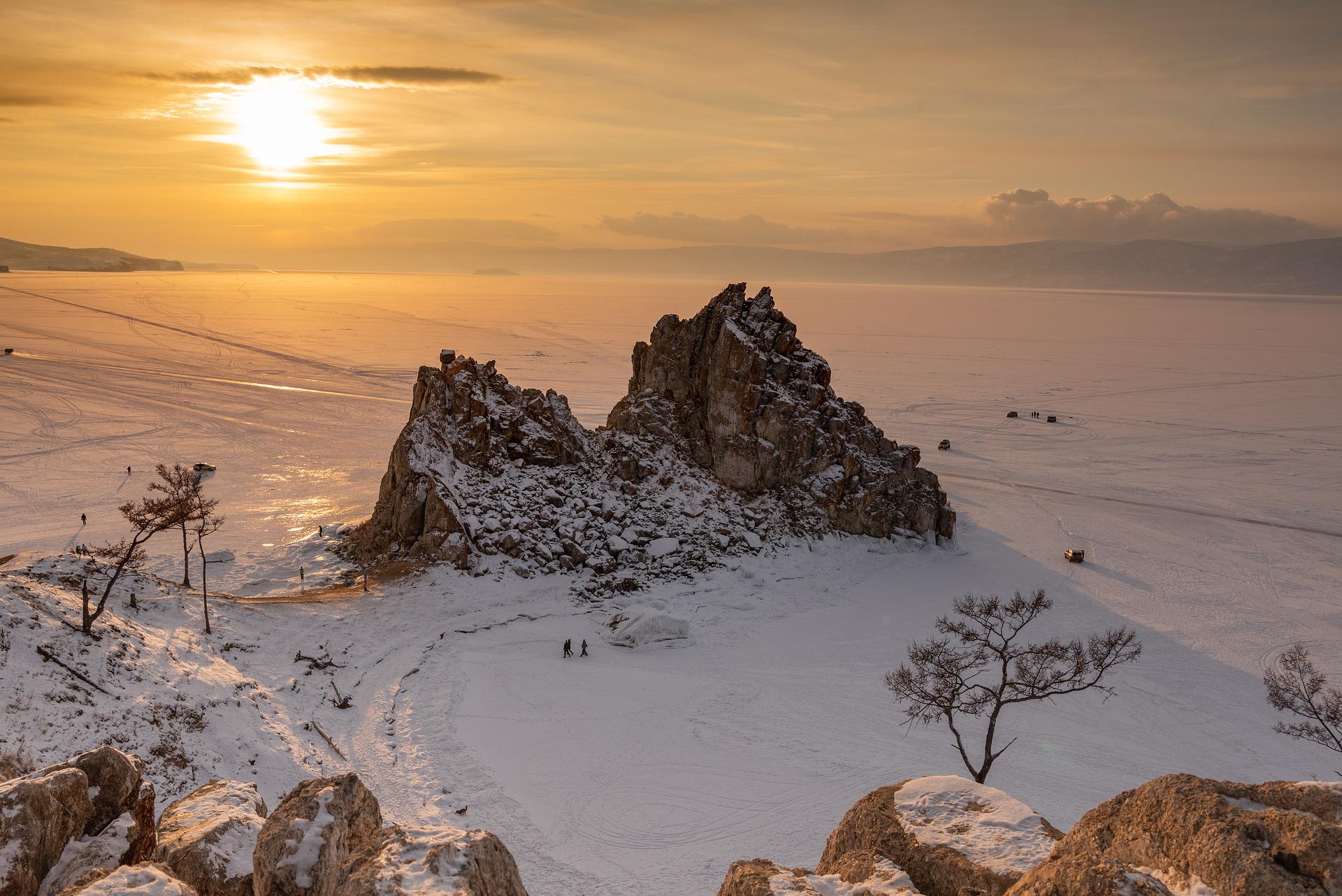
The alarm was raised by biologists and researchers who highlighted 4 triggering factors:
- Mass tourism
- Climate change
- Less water flow for lack of glaciers
- Pollution for industrial waste
This Siberian wonder is at risk of sinking into the abyss due to pollution from tourists, dirt, metals in the water, and unsustainable environmental activities near the lake. As reported in a recent study, the lake is increasingly losing sponges, replaced by algae that release toxic substances. Furthermore, fish populations have been decimated, and their numbers are set to grow unless serious measures are taken.
TO KNOW MORE:
- Marine pollution: what to do to avoid it
- River pollution: this is where the plastic that ends up in our seas starts.
- Fishermen fight pollution: in Campania, they're fishing for waste, helping the environment.
- Ocean pollution: Slat launches its platforms to eliminate plastic. The Ocean Cleanup project (photos and video)
Want to see a selection of our news?
- Sign up to our newsletter clicking here;
- We are also up Google News , activate the star to add us to your favorite sources;
- Follow us on Facebook, Instagram e Pinterest.