
Index of topics
What is the immune system?
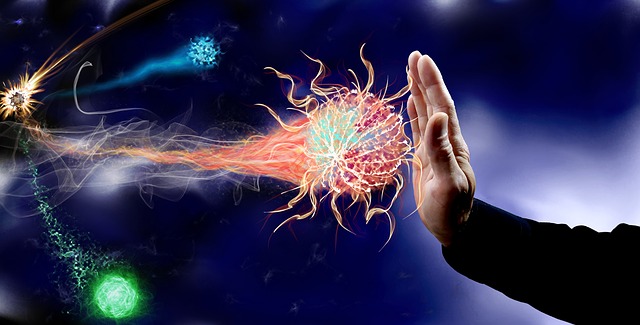
A defensive barrier protecting our health. The immune system is as fundamental as it is complex, with its array of organs and cells tasked with protecting our bodies from external agents, namely infections.
When talking about immune defenses, we can compare our body to a fort where sentinels and guards, placed throughout the organism, protect it, keeping a careful watch, to respond in the event of a possible intrusion from the outside.
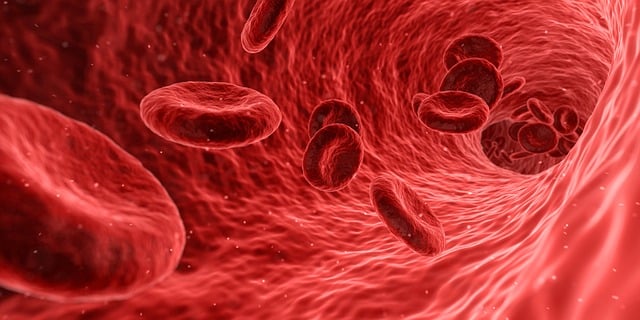
The immune system , our bodyguards, is made up of blood cells, specifically leukocytes, better known as white blood cells . These are divided into three groups: lymphocytes , monocytes , and granulocytes.
Another part of the defense relies on specific proteins capable of mediating chemical substances: cytokines . These, by communicating with each other, are able to assess the immune response and therefore the work to be done, controlling the activity of various lymphatic organs or tissues.
A final division consists of the organs directly responsible for the proper functioning of the body's lymphatic system . Specifically, the primary and secondary lymphatic organs:
- Bone marrow
- Timo
- Spleen
- Tonsils
- Appendix
- Lymph nodes
- Peyer's patches of the intestine
Cells, proteins, organs and tissues constantly exchange information, thus evaluating the containment measures and therefore the expulsion of external agents which in this case could be viruses , bacteria or microorganisms capable of triggering infections in the body.
How it works
The moment an intruder, technically called an antigen , is identified and discovered in the body, the immune system is activated, deploying its immune defenses and all the weapons at its disposal.
White blood cells, cytokines, and lymphatic organs act immediately. First, the antigen is surrounded and then attacked until it is eliminated.
The main task is carried out in particular by white blood cells.
- I granulocytes, first of all, they are blood cells capable of phagocytosing antigens and cleansing the body of invaders.
- I monocytes They act as blood scavengers.
- While the lymphocytes B, T e natural killers, are responsible for producing antibodies, releasing cytokines and killing infected or potentially harmful cells.
Through the lymphatic system, potential threats are transported to the lymphatic organs, particularly to the spleen which is the designated site for the neutralization of antigens.
At the same time, lymph nodes are production stations located in the lymphatic system where cells responsible for protecting the body can multiply in response to a specific threat.
When it's too weak: the symptoms
An organism with poor immune defenses and therefore a weak immune system may present symptoms such as:
- Fatigue, constant exhaustion and weakness
- Loss of attention
- Frequent muscle pain
- Repeated mild fever
- Sore throat or colds that come back frequently
- Weak intestine with alteration of the bacterial flora (main player in the immune defense)
- Skin rashes or eruptions, Herpes and allergies
The diagnosis
There are some simple but important blood tests that help us understand the health of our immune system:
- Blood count. Allows you to count the White blood cells (leukocytes), the immune cells that defend us from virus, bacteria or other mycobacteria that are dangerous to our health.
- Lymphocyte typingThis is a very specific test, which measures a possible deficiency in a specific class of cells that carry out immune defense activity.
- ESR (Erythrocyte Sedimentation Rate)This value can inform us about some ongoing inflammations, even dangerous ones.
- Vitamin D, Magnesium, Zinc e IronThey are part of the fundamental elements for having a functioning immune system.
- Immunoglobulin dosageThis test measures the possible excess, or deficiency, of proteins produced by specific immune cells in response to bacteria, viruses, microorganisms, and antigens.
How to get stronger naturally
The immune system can be strengthened by adopting a healthy lifestyle . In particular:
- Hug ahealthy nutrition at the expense of nutrient-poor or junk food.
- Carry out moderate physical activity and avoid too much sedentary lifestyle.
- Quit smoking and moderate alcohol intake.
- Immune defenses are also supported by a good quality of sleep, and the right hours that for an adult should be about 7 hours per night.
- Limit it stress. e try to live in an environment that does not promote anxiety This is another factor to take into consideration since white blood cells in these conditions are less active and therefore expose the body to greater risks.
Foods that help the immune system
A healthy and balanced diet helps the body carry out all daily activities.
For the immune system, it is essential to promote the proper functioning of the intestine, where the bacterial flora operates, by offering an adequate intake of fruit and vegetables, but in particular:
- Citrus fruits, rich in Vitamin C,
- Kiwi,
- Strawberries,
- Buckwheat,
- Grapes
- Soy.
To these should be added chillies, peas, potatoes, tomatoes, broad beans and fish, preferably only small, oily fish .
A study by the Laboratory of Molecular Neuroimmunology at the Santa Lucia IRCCS in Rome has demonstrated that brewer's yeast is also capable of activating dendritic cells, the body's sentinels, whose role is to stimulate a defense response when they sense the presence of a pathogen.
To maintain our microbiota in a state of balance, the following are also important:
- probioticsThey are defined by the World Health Organization as "live microorganisms which, when administered in adequate quantities, confer a health benefit on the host." Simply put, they are the "good bacteria" we can introduce into our bodies. They are mainly found in fermented foods such as yogurt (those with live and viable lactic acid bacteria), kefir, sauerkraut, tempeh, and kimchi.
- PrebioticsThese are indigestible substances, primarily fiber, that act as selective "food" for the beneficial bacteria already present in our colon, promoting their growth and activity. They are the nutrients that allow the "good bacteria" to thrive. Excellent sources of prebiotics include garlic, onions, leeks, asparagus, artichokes, bananas, oats, legumes, and whole grains.
- SymbioticsThis term refers to foods or supplements that contain a combination of probiotics and prebiotics, creating a synergistic effect. A classic example is yogurt (probiotic) to which prebiotic fibers such as inulin are added.

Why women's immune systems are stronger
Women, in general, have stronger immune systems than men. This is largely due to estrogen , which can contain and modulate the inflammatory process, accelerating its resolution.
Women of childbearing age are thus more protected than men from a whole series of diseases, while with menopause and the consequent drop in estrogen, they tend to get sick more.
Vaccination
Vaccination represents one of the greatest successes of modern medicine and relies on the adaptive immune system's unique ability to develop memory . Vaccines do not cure a disease, but they prevent it, acting as a "training" for our defenses.
The working principle is simple: a vaccine introduces an antigen into the body , a specific molecule of the pathogen (a virus or bacterium) that has been rendered harmless. This antigen can be the entire pathogen, but "killed" (inactivated) or weakened (attenuated), or just a small part of it, such as an inactivated protein or toxin.
Most modern vaccines, such as mRNA vaccines , directly provide instructions to our cells to produce the antigen for a short time.
Regardless of the technology, the goal is the same: to expose the immune system to the antigen safely , without causing disease.
This exposure is sufficient to stimulate a primary immune response, which culminates in the production of antibodies and, most importantly, the creation of a pool of memory B and T lymphocytes.
If the body encounters the actual pathogen in the future, these memory cells will immediately activate, triggering a rapid and powerful secondary response that will neutralize the invader before it can cause significant damage. Vaccination, therefore, allows us to acquire immunity without having to pay the sometimes very high price of natural disease.
The Aging Immune System: Immunosenescence
As we age , the immune system undergoes a process of remodeling and functional decline known as immunosenescence . This phenomenon is not a disease, but a physiological change that makes older adults more vulnerable to infections, less responsive to vaccines, and more prone to developing chronic diseases.
The mechanisms underlying immunosenescence are multiple and complex:
- Involution of the ThymusThe thymus, the organ where T lymphocytes mature, begins to shrink and lose its functionality after puberty. With age, this decline leads to a drastic reduction in the production of new, naïve T lymphocytes.
- Depletion of the Naïve Cell ReserveNaïve T cells are the "inexperienced" but versatile troops, ready to respond to pathogens they've never encountered before. As we age, their reserve dwindles, while memory T cells, the "veterans" of past infections, accumulate. This imbalance limits the immune system's ability to mount an effective response against new threats.
- inflammagingAging is associated with a state of chronic, low-grade inflammation, a phenomenon called inflammaging. This is partly due to the accumulation of "senescent cells," cells that have stopped dividing but do not die and that constantly secrete inflammatory molecules, keeping the body in a perpetual and damaging state of alert.
This picture leads to a fascinating paradox of senescent immunity: the system is simultaneously less effective at fighting new infections (relative immunodeficiency) and more prone to chronic, damaging inflammation (dysregulated hyperactivity).
Immune defenses and COVID-19
According to some studies, it has been shown that in subjects who contracted the coronavirus, but without showing the typical symptoms of the virus, the levels of B lymphocytes were increased.
These white blood cells are responsible for producing antibodies . In this way, the immune system has managed to isolate the foreign agent from the nasal cavity , thus protecting the body and its cells from normal progression.
However, this characteristic was not found in the most serious patients.
Read also:
- How to strengthen children's immune defenses
- How nature improves our well-being
- What happens when you quit smoking
Want to see a selection of our news?
- Sign up to our newsletter clicking here;
- We are also up Google News , activate the star to add us to your favorite sources;
- Follow us on Facebook, Instagram e Pinterest.