
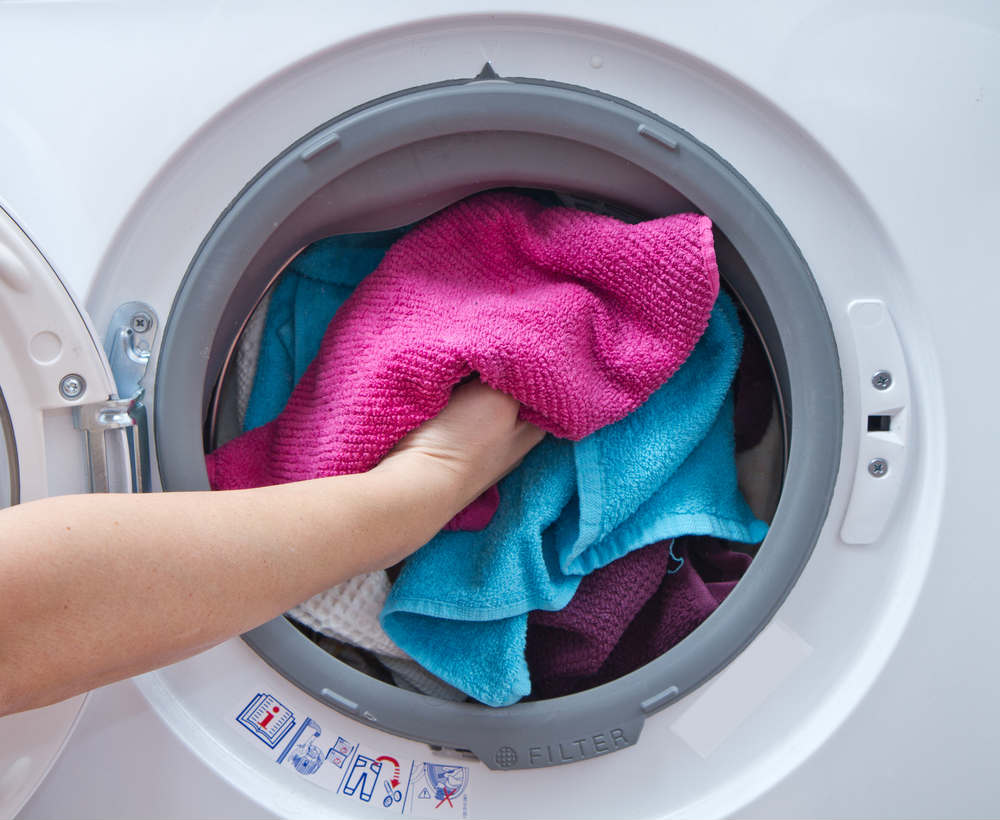
To use your washing machine effectively, get clean clothes, and make both your clothes and the appliance last longer, while not wasting electricity and soap, there are some simple best practices to follow regarding laundry, detergent, sorting clothes, temperature, and energy saving.
Index of topics
Hand washing and pre-washing
Before you start washing your clothes, there are a few preliminary things you need to know and decide. First, you should sort the items you're washing by fabric, level of soiling, and, above all, color. Mixing them incorrectly could cause significant damage. If your clothes are very dirty, it's helpful to wash them first, with a light pre-wash by hand. Finally, don't leave them in the washing machine: they'll absorb a very unpleasant odor. Another important thing is to always try to favor natural, homemade detergents. They generally work very well: saving you money and reducing pollution.
Choosing the detergent
There are different types of laundry detergents, depending on individual needs. Powdered detergent (excellent for cotton and white fabrics), containing bleaching agents , is still the best solution today, because it washes well even at the lowest temperatures, lasts a long time (there are at least 2 kg drums), and also because it effectively removes a huge number of stains.
- Liquid detergent is much gentler on colored garments than powdered detergent because it doesn't contain bleaching agents. Furthermore, liquid detergent, being highly soluble, doesn't leave residue that can remain on garments or in the detergent dispenser. Liquid detergent is also suitable for wash cycles at 20°C.
- Detergents for black clothes are those capable of reviving dark colors without causing unsightly streaks.
- Capsule detergent is a detergent packaged in single doses. Once added to the drum, directly onto the laundry, the capsule dissolves and the cleaning liquid comes out. Carefully evaluate the number of items to be washed and the cycle you want to program, then decide whether to use one or more capsules. Capsules can be attractive to pets and children, so it's best to store them as far away as possible.
- If you want to make your clothes softer, add the detergent to the appropriate compartment in the tray.softener, a liquid that makes them soft and easier to iron. It must be said, however, that fabric softener is highly polluting and could cause allergies and irritation if it comes into contact with the skin.
The division of the heads
- To prevent your clothes from mixing colors and making a mess, separate them and wash them separately. Keep colored clothes away from whites and blacks. Also separate woolens, towels, and synthetic fabrics. You can also wash colored clothes with blacks, and keep whites with pale colors. If you're not so strict and want to optimize your time, you can use a color catcher (many brands are available), a product that prevents the colors from dispersing and transferring from one item to another. Color catcher comes in two forms: liquid, placed in the detergent drawer or laundry basket, or convenient sheets placed on the bottom of the washing machine before loading. The sheets, in particular, are made of positively charged substances and attract the negatively charged color, preventing it from staining light-colored clothes.
- The washing temperature depends on the type of garment you're washing. Cotton garments can usually be washed at up to 90°C if they're heavily soiled. Wool, on the other hand, should be washed at low temperatures, even 0°C, otherwise it tends to shrink and felt. Even lightly soiled jeans, synthetic fabrics, and underwear can be washed at low temperatures. Synthetic garments, moderately soiled jeans, wool jackets and sweaters, and wool/cotton blends can be washed at 30°C. Towels and rugs intended for the bathroom or kitchen can be washed at 60°C. Very high temperatures, such as 90°C, are almost never used, because garments usually perform excellently even when washed at 60°C. Before washing any garment in the washing machine, check the label to make sure this type of washing is recommended. The washing temperature is usually also indicated on the label.
- If you're washing only whites, use baking soda by adding four tablespoons to the drum with your clothes, towels, or sheets, and then wash at low temperatures. Baking soda whitens and softens, and prevents limescale buildup. Baking soda is also excellent for children's laundry: add two tablespoons to the drum with their clothes, or use less than a capful of an eco-friendly detergent. Wash at low temperatures.
Cleaning the washing machine
To be efficient and function properly, your washing machine needs to be cleaned frequently. The problem with washing machine cleaning is related to limescale and its buildup, which then damages the appliance and prevents it from functioning properly. And even in this case, you can save money and rely on a DIY recipe based solely on lemon juice.
Necessary material
- 4 tablespoons of lemon juice
Method
- Pour four tablespoons of lemon juice into the empty drum and run the washing machine by selecting the quick program, so as not to waste too much water.
- Lemon will be able to dissolve limescale deposits.
How to save energy
Warning: the washing machine is a household appliance that consumes a lot of electricity, and wastes just as much. You can save money with simple measures, such as only running it when full, not choosing the wrong temperature, and not setting the prewash cycle.
Read also:
- Natural remedies for cleaning the washing machine
- Tricks to make the most of your washing machine
- The washing machine that works without water
Want to see a selection of our news?
- Sign up to our newsletter clicking here;
- We are also up Google News , activate the star to add us to your favorite sources;
- Follow us on Facebook, Instagram e Pinterest.