
Index of topics
Cause
- other autoimmune diseases such as type 1 diabetes, arthritis rheumatoid and thyroiditis
- alterations of the intestinal microbiota
- intestinal and viral infections
- antibiotic abuse.
These causes must be identified on the basis of the symptoms and subsequent diagnosis.
Celiac disease presents a highly variable clinical picture. Classic symptoms include:
- Diarrhea
- Abdominal cramps
- Abdominal swelling
- Weight loss.
Extraintestinal symptoms such as anemia, muscle weakness, joint pain, osteoporosis, dermatitis herpetiformis, and alopecia may also occur. In children, there is an unmistakable symptom of celiac disease: insufficient growth for their age.
Diagnosis
Celiac disease can be diagnosed very early in childhood, between six months and two years of age, when gluten is introduced into the child's diet. In adulthood, it most often manifests between the ages of 20 and 40. To correctly identify the disease, serological testing is the key, detecting the presence of specific antibodies and autoantibodies (anti-transglutaminase, anti-gliadin, anti-endomysial, anti-reticulin). The diagnosis is confirmed by a biopsy of the duodenal mucosa.
Before undergoing testing, patients should maintain their usual dietary habits, unless otherwise prescribed by their doctor. By stopping the consumption of gluten-containing foods, the patient could test falsely negative, appearing healthy despite actually having celiac disease.
Prohibited foods
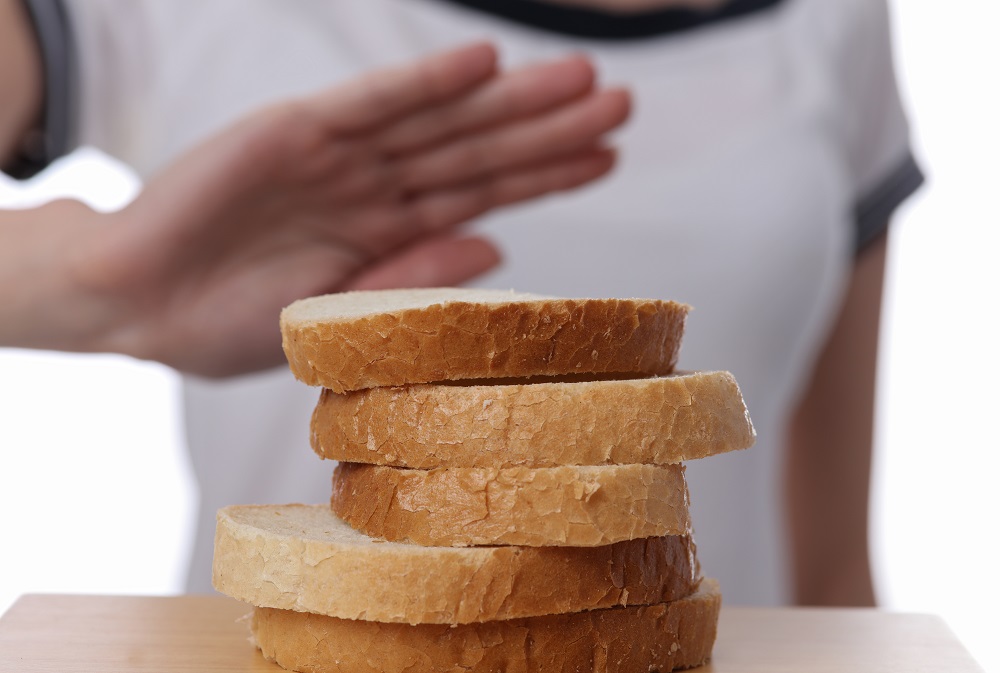
Once the diagnosis has been made, the following steps are taken: the only The only treatment currently available is a lifelong gluten-free diet. The following are strictly prohibited:
- desserts
- pasta
- bread and its derivatives with cereals and flour based on farro, wheat, oats, barley, grain, kamut and malt
- sauces
- sausages
- candies where gluten is used as a thickener
- yeast and seitan
- milk and cereal- and malt-based yogurt
- beer
Among the cereals and foods on the market that are prohibited for celiacs because they contain gluten, there are:
- Wheat
- Rye
- Barley
- Spelt
- Bulgur
- The cracked wheat
- Il cous cous
- Kamut
- The einkorn wheat
- Spelt
- Triticale
- Il seitan
- Tabbouleh.
Allowed and recommended foods
Among the foods permitted and recommended for celiacs are, first of all, gluten-free cereals:
Furthermore:
- carne
- fish
- eggs
- ham
- milk
- cheese
- natural or creamy white yogurt without added flavorings or other substances
Celiacs can eat everything fruit and all vegetables, legumes and mushrooms, the honey, sugar, fructose. And they can drink coffee and tea. A complete list of prohibited, permitted and risky foods can be found on the website ofItalian Celiac Association.
Dangers of consuming gluten
The risks for celiacs who consume gluten are difficult to pinpoint and can vary from person to person. The only certainty is that gluten ingestion maintains, if not aggravates, a local inflammatory process: hence the difficulty in digesting well, headaches and various problems related to poor intestinal function. But also risks of osteopenia and osteoporosis, infertility, and developing certain tumors such as intestinal lymphoma.
How many celiacs are there in Italy?
According to the latest census of the Istituto Superiore della Sanità, which dates back to 2023, in Italy there are 265.102 people with celiac disease were diagnosed, equal to approximately the 0,45% of the national population. However, the estimated prevalence of celiac disease in the population could amount to approximately 600.000 and this means that approximately 400.000 people (or almost 60%) do not know they have celiac disease. Women are more affected (70 percent of cases involve females) and the regions with the highest number of cases are, in order, Lombardy, Lazio and Campania.
How much is the gluten-free market worth?
The market gluten-free products In Italy, it is worth around 400 million euros a year and is expected to triple by 2030. Aside from the demand for these products out of necessity, there is also a lot of speculation, fueled by the usual "health" trend and aggressive marketing campaigns by companies that produce gluten-free foods. And the clear proof of this is food waste lies in the fact that the prices of gluten-free products can be up to 70-80 percent higher than those of traditional products.
Read also:
Want to see a selection of our news?
- Sign up to our newsletter clicking here;
- We are also up Google News , activate the star to add us to your favorite sources;
- Follow us on Facebook, Instagram e Pinterest.