
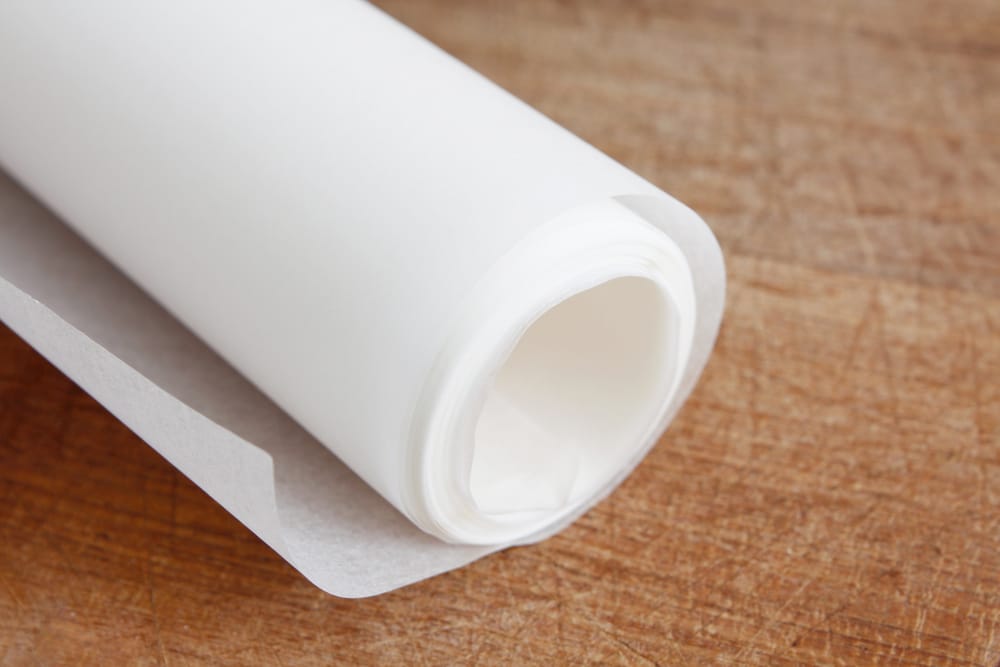
The alarm was raised by research by the Sapienza University of Rome, in collaboration with INAIL, published in the magazine Foods: baking paper, a product widely used in all Italian kitchens, can contain two types of contaminants, namely organophosphates (OPE) which are used as plasticizers and flame retardants, and the famous PFAS , which have a significant impact both on the environment and on possible health risks.
What did the researchers find concerning? The fact that these two substances could transfer from parchment paper to food, especially when cooked at high temperatures. And we're talking about potentially toxic substances.
But at this point the researchers themselves indicate the solution, with some simple precautions to follow:
- Don't use parchment paper for too long at high temperatures, above 200 degrees Celsius, especially with fatty or acidic foods. Furthermore, parchment paper, when exposed to very high temperatures and prolonged use, can burn or become very brittle.
- You can choose some alternatives to traditional baking paper: for example, grease the baking sheets with natural oils. Or use certified food-grade silicone mats.
- Look for baking paper products—and there are—that don't contain PFAS. This is easily determined by reading the labels.
- Always opt for good quality baking paper.
- Never reuse baking paper, and if ever recycle it, as heat and wear can increase the risks associated with chemical release.
Read also:
- How to disinfect and sanitize your home
- Disinfectants and household cleaners: the risk warning from Germany
- Humidity in the home: the best natural remedies
- Mold on walls: how to get rid of it
Want to see a selection of our news?
- Sign up to our newsletter clicking here;
- We are also up Google News , activate the star to add us to your favorite sources;
- Follow us on Facebook, Instagram e Pinterest.