
Index of topics
BIBLIOTHERAPY
PATHOLOGIES FOR BIBLIOTHERAPY
- Depression and bipolar disorder
- Anxiety and stress
- Low self-esteem
- Bulimia and anorexia
- Onset of neurological diseases
- After a major surgery
TO KNOW MORE: Reading, a natural therapy to eliminate anxiety, moodiness, and stress.
Bibliotherapy in Hospital
In Madrid, volunteers read books to the elderly.
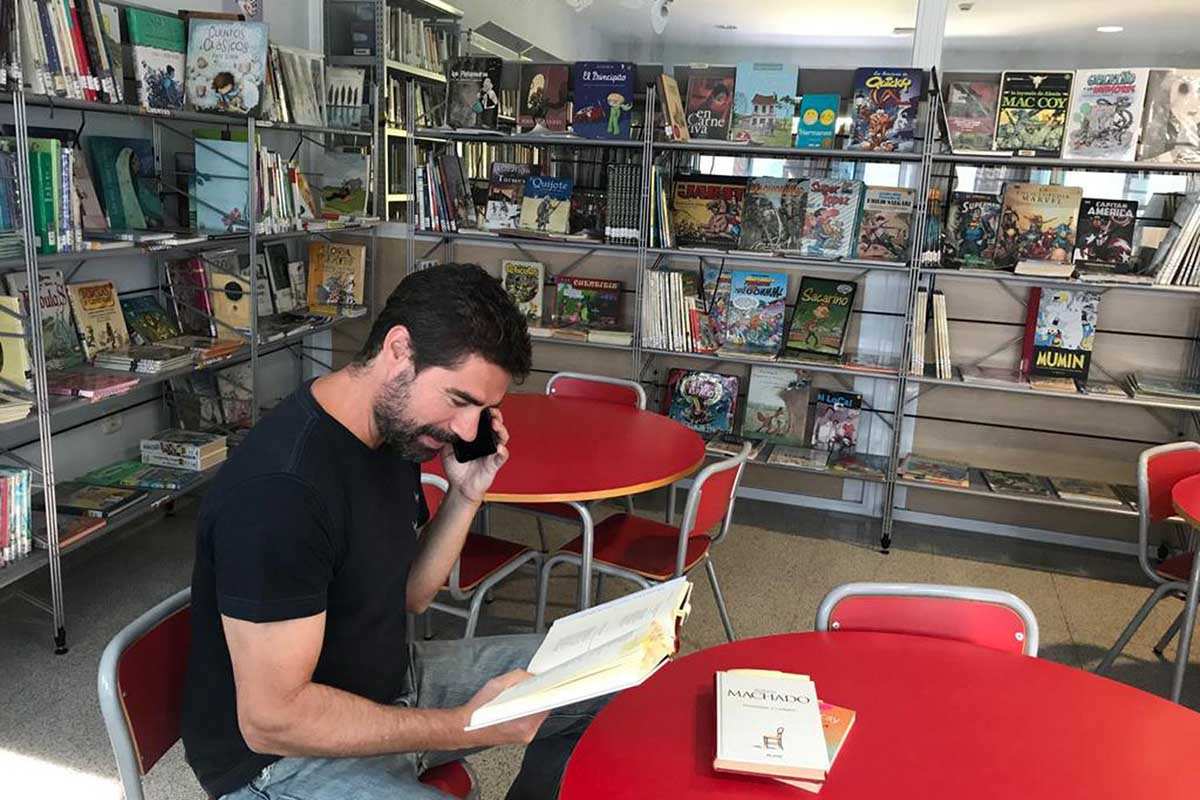
Telling stories to entertain, to pass the time, to fight boredom and the loneliness of life's twilight, to read as a cure, at least for the spirit, while waiting for the pandemic to be a little further away: during the period of confinement at home, the elderly users of the library of Soto Del Real, just over 6100 inhabitants in the metropolitan area of the municipality of Madrid, were able to take advantage of a book and story reading service over the phone. This "original" virtual service also helped bridge the technological and IT gap faced by seniors. The idea, as simple as it is charitable, came from the library staff to continue, even during the pandemic, an already ongoing project. since 2013, when they left the library rooms to reach the elderly in residences and nursing homes, bringing company, poetry, musical readings, stories, tales and conviviality once a month.
LIBRARIANS WHO READ BOOKS TO THE ELDERLY
To coordinate the project, Juan Sobrino, who manages a group of ten volunteers who, during the lockdown, intensified reading moments for the elderly, with weekly phone calls, reading them texts chosen together according to the listener's preferences. According to Sobrino and the principles of bibliotherapy, in fact, it is essential to create a close relationship and an interpersonal connection between reader and listener that can mitigate the feeling of loneliness: for this reason, every bibliotherapist always calls the same person, so that a bond can be created and tastes and preferences can be understood in order to choose the right readings.
Each reading session lasts approximately 20 minutes, but they can become longer if the listener shows particular interest in the volume being read.
In an interview a El PaisJuan Sobrino emphasized how important it is for seniors to always converse with the same volunteer, to create a relationship that goes beyond mere reading, but can also involve an exchange of opinions and interests: "We must bring them books by any means, even by phone, to combat social isolation, until reading can be allowed again in the residences."
PHONE BIBLIOTHERAPY TO FIGHT LONELINESS
The program is aimed primarily at those who live alone and do not receive visits from family or friends: bibliotherapy for elderly Today eight people benefit from it, who during the terrible period of isolation managed to create a sincere and supportive relationship with Sobrino and his colleagues, overcoming the confusion and difficult moments of the period thanks to their stories and closeness. Chus López is a 69-year-old woman who has been living in a retirement home in Madrid for three years and is a user of the telephone bibliotherapy service., being very satisfied. Reached for an interview with the newspaper El País, Chus said she really enjoys romance books and that the volunteer who cares for her always chooses very pleasant reading material: "They always choose well," she said. "Of course, direct contact is better because we see them, we can applaud, and when the reading is over, we drink with them," she continued. "But it will pass, and I'm sure we'll see each other again."
(Featured image from the newspaper El País)
STORIES OF GRANDFATHERS AND GRANDMOTHERS:
- Grandpa Vito cleans streets and gardens in Brindisi. And he becomes the symbol of an occasion: grandparents who care for cities (photo)
- Rita Ebel, the Lego Grandmother. She builds wheelchair ramps with colored bricks.
- Santa's grandchildren: hundreds of people give gifts to lonely grandparents.
- At school thanks to his adoptive grandfather. Every morning he accompanies a blind child.
- Grandma Ivana's Headwear: One Hundred Fabric Headwear for Covid-19 Ward Staff
Want to see a selection of our news?
- Sign up to our newsletter clicking here;
- We are also up Google News , activate the star to add us to your favorite sources;
- Follow us on Facebook, Instagram e Pinterest.