
- Peanut oil: about 225–230°C
- Refined sunflower oil: approximately 220–230 °C
- Extra virgin olive oil: variable, often 190–210 °C
- Oolive oil (not extra virgin): the ideal range is 170–180 °C.
- Olive pomace oil: the recommended frying temperature is generally 175–180 °C, and can also be used near the 190 degrees.
The second parameter concerns what you are frying and what type of frying you want to obtain:
- 160–170 °C: delicate frying (vegetables, thinner foods).
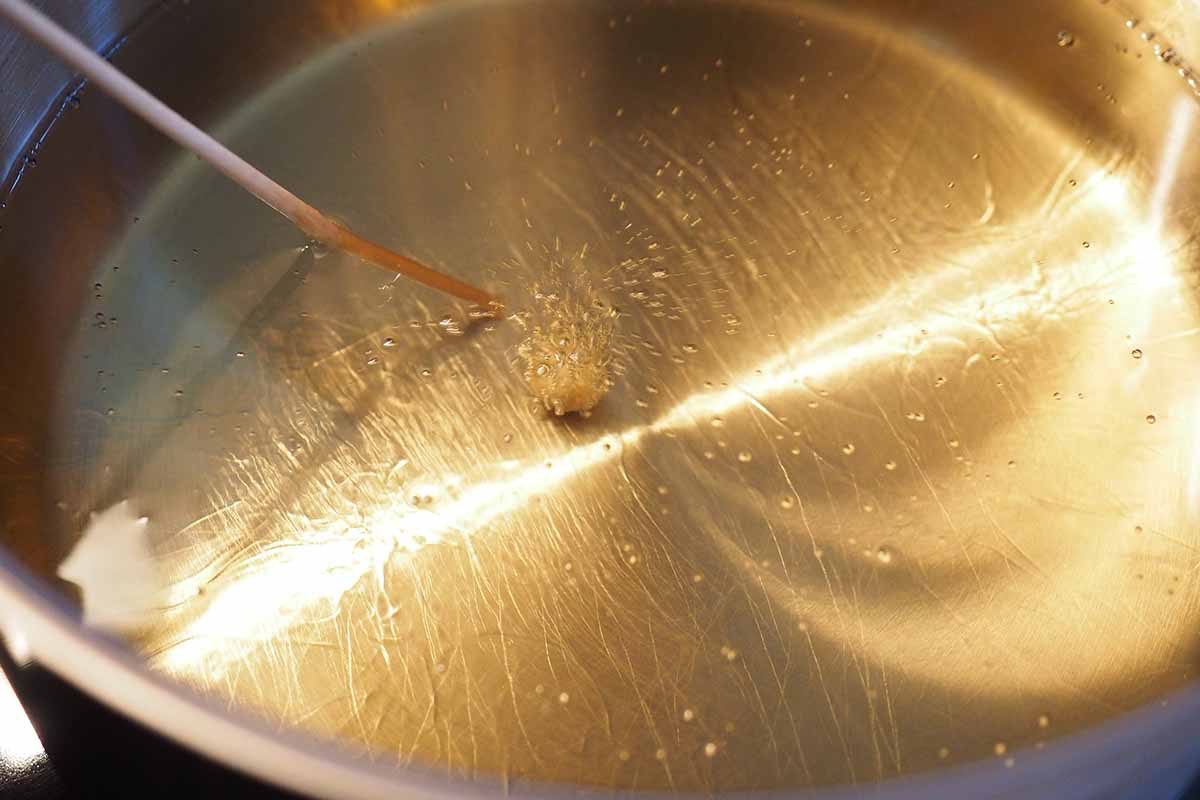
- 175–180 °C: ideal temperature for most fried foods (chips, chicken, nuggets).
- 180–190 °C: to obtain a very crunchy crust and quick cooking.
In general, for the Italian-style frying traditional, the most used temperature is 170–180 °C, with 175 ° C often considered the ideal point.
At these temperatures:
- a golden, crispy crust forms quickly;
- the food absorbs less oil;
- the inside cooks without burning on the outside.
For the fish fry, the ideal temperature is generally 180 ° C.
There may be some fluctuations based on the fish you are frying:
- Small fish (anchovies, sardines, silversides): 175–180 °C
- Squid and cuttlefish: 175–180 °C
- Shrimp and scampi: 170–180 °C
- Thicker fish fillets: 170–175 °C
If the oil is too cold (below 170°C), the fish tends to absorb more oil and become greasy. If it's too hot (over 185–190°C), the outside can burn before the inside is properly cooked.
Remember that when you hear about the “smoke point” is nothing else is the temperature at which an oil or fat begins to produce continuous visible smoke.
When this temperature is reached:
- the oil begins to to chemically degrade;
- compounds are formed that can alter the taste and smell of food;
- decreases the nutritional quality of the oil;
- increases the risk of formation of unwanted substances.
Read also:
Want to see a selection of our news?
- Sign up to our newsletter clicking here;
- We are also up Google News , activate the star to add us to your favorite sources;
- Follow us on Facebook, Instagram e Pinterest.