
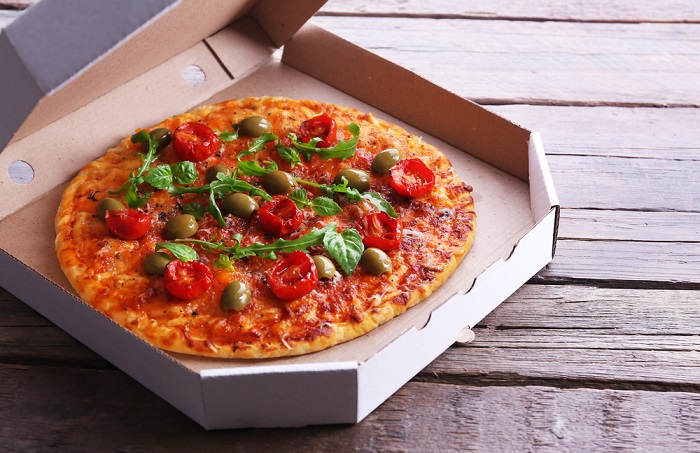
Pizza is a deeply rooted Italian eating habit. A recent market study found that 22% of the population eats it at least once a week. In the summer, this habit continues, thanks to the warm weather and the desire to spend time together without having to worry about preparing lunches and dinners. When you buy a pizza and eat it at home, the problem becomes how to dispose of the cardboard . Where do you throw it?
How to dispose of pizza boxes
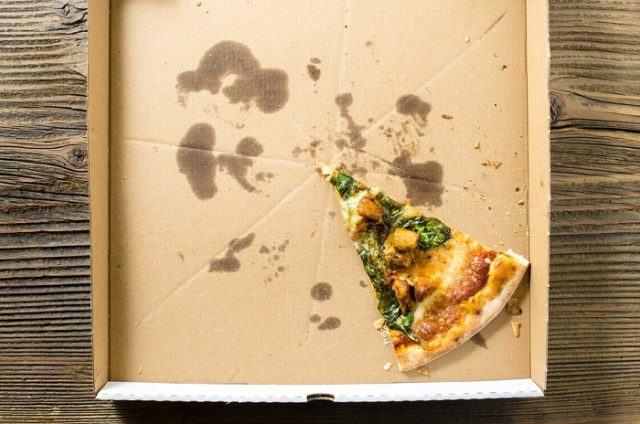
Obviously, a distinction must be made depending on whether the cardboard is completely clean or dirty with pizza scraps.
- If the cardboard is free of residues, then throw it in the paper bin and separate it with the paper.
- If the cardboard is dirty instead of oil or other ingredients, then separate the lid (which usually remains clean) and throw it in the paper; the rest of thepackaging It should be disposed of in the organic waste bin. If your municipality doesn't yet have an organic waste collection service, then the dirty cardboard should be thrown in the general waste bin.
- It is always desirable flatten the cardboard well, when thrown into the appropriate containers, to visibly reduce its volume and facilitate the future composting process.
How to dispose of food containers at home
- The same procedure is foreseen for the disposal of food cartons at homeOrdering food delivered directly to your home is, in fact, another recent habit among Italians, who often don't have enough time to devote to preparing lunches and dinners. Obviously, disposing of containers is a direct consequence of this consumption. Clean cardboard should therefore be separated from dirty cardboard. The latter should be disposed of in the organic waste bin; the former in the paper bin. Plastic containers, of course, should be thrown in the plastic and metal bin.
- However, thanks to greater attention to the environment and eco-sustainability, restaurant chains offering takeout are increasingly relying on biodegradable and compostable containers. The concept of biodegradability differs from that of compostability. A bag, for example, is biodegradable when the material decomposes in about six months, thanks to sunlight and natural physical agents, becoming a simpler, non-polluting compound; a container is compostable when the material is not only biodegradable but also disintegrates in less than three months. This turns into compost, a natural fertilizer.
- So, if you come across plastic bags or trays biodegradable and compostable (bioplastics), which can produce compost, should be disposed of in household organic waste. If they were thrown away with unsorted waste, we would simply waste an important resource. Bioplastic is always recognizable because it bears a logo that confirms this characteristic.
- Many biodegradable containers are used for takeout food, such as those made of PLA (a polymer derived from the processing of corn, beet sugars, and other natural ingredients), attractive containers that keep food cold. These are transparent, have an airtight lid, and look like plastic; however, they degrade in just a few weeks. Cellulose trays are also excellent. biodegradable, which can also be placed in the oven to heat their contents: they are a valid alternative to plastic. Then there are food wraps, which are used to contain street food and can be disposed of directly in the organic waste.
Read also:
- Electronic waste: how to dispose of it. We produce too much of it: 18 kilos per capita.
- Pens and markers, never put them in the plastic recycling bins. They're not packaging, so they should go in the general waste bins (photo).
- Where do you throw away polystyrene?
- Packaging: How to eliminate and reduce unnecessary waste in 10 simple steps. And there's a lot of it...
Want to see a selection of our news?
- Sign up to our newsletter clicking here;
- We are also up Google News , activate the star to add us to your favorite sources;
- Follow us on Facebook, Instagram e Pinterest.