
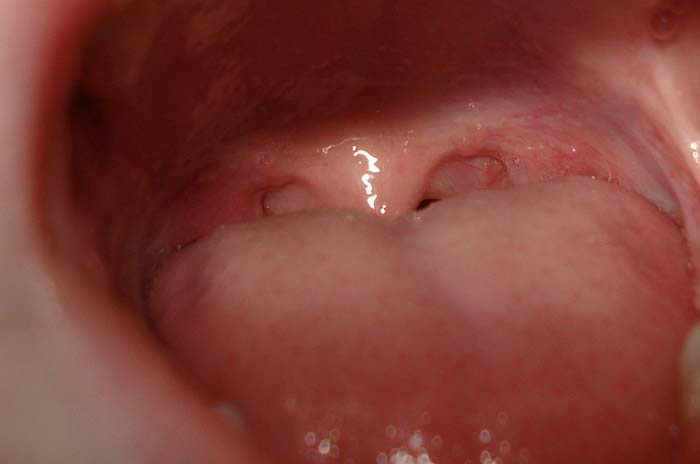
Salivary stones (or sialolithiasis) form inside the salivary glands, especially those under the jaw and, less frequently, the parotid glands. The most striking manifestation of salivary stones, which are made up of small pebbles made of calcium crystals, is colic salivary due to the presence of a stone in the salivary duct that prevents the flow of saliva.
Index of topics
Cause
The most common causes of salivary stones are:
- Salivary duct abnormalities
- Dehydration
- Oral infections
- Presence of endoductal foreign bodies
- Stenosis or kinking of the duct
- Formation of granulation tissue
Symptoms
Symptoms of salivary stones, which mostly affect older men, include pain and swelling in the affected gland. The pain becomes more severe during chewing, making it difficult to eat as well. Other symptoms include: difficulty swallowing food and drinks, dry mouth with the possibility of your bottom line, a painful lump under the tongue, pain in the neck and face.
Diagnosis
The first step to take is a ENT visitIn some cases, by palpating the painful area, the specialist can identify the presence of the stone. When the stone is not palpable and cannot be detected during the examination, other diagnostic tests may be performed, including:
- Salivary gland ultrasound
- Intraoral radiography for any submandibular stones
- Cone beam 3D CT (CBCT) for stones not visible on ultrasound
- The waste-RM if a dilation or obstruction of a salivary duct is suspected
If these tests are negative, sialendoscopy can be used to explore the salivary duct system and is performed under local anesthesia, using very thin endoscopes.
Cure
Traditional medical therapy, always and only on the advice of a specialist, involves the use of anti-inflammatories and drugs based on cortisonePhysical therapy is also possible, consisting of lithotripsy: a technique that allows the stones to be broken into very small pieces, easily expelled spontaneously.
Small stones (4-7 millimeters) can be removed with the sialendoscopy interventional, possibly after being broken up with a specific holmium laser. Larger submandibular stones can be removed through an incision of the floor of the mouth which allows the functionality of the salivary duct to be preserved. For larger and very deep parotid stones, the sialoendoscopic surgery, ultrasound-guided or CT-assisted. The use of minimally invasive techniques It allows the parotid and submandibular salivary glands to be spared, avoiding scarring and other complications (paralysis of the facial nerve, lingual nerve or hypoglossal nerve).
What not to eat with salivary stones
If you have salivary stones, it's very important to avoid certain foods. Such as:
- Pickles
- Salty or spicy foods
- Citrus fruits
- Fruit juices
- Tomatoes
- Sodas
Prevention
To prevent salivary stones, two things are important. First, stay well hydrated, always remembering that our bodies need an average of two liters of water a day. Second, frequent and proper oral hygiene, which also helps prevent the cavities e bad breath.
Read also:
- Saliva: what it is for and how it is formed
- Saliva test for coronavirus: it appears more effective than nasopharyngeal swabs.
- Why eating slowly helps you lose weight
Want to see a selection of our news?
- Sign up to our newsletter clicking here;
- We are also up Google News , activate the star to add us to your favorite sources;
- Follow us on Facebook, Social media coordinator e Pinterest.