
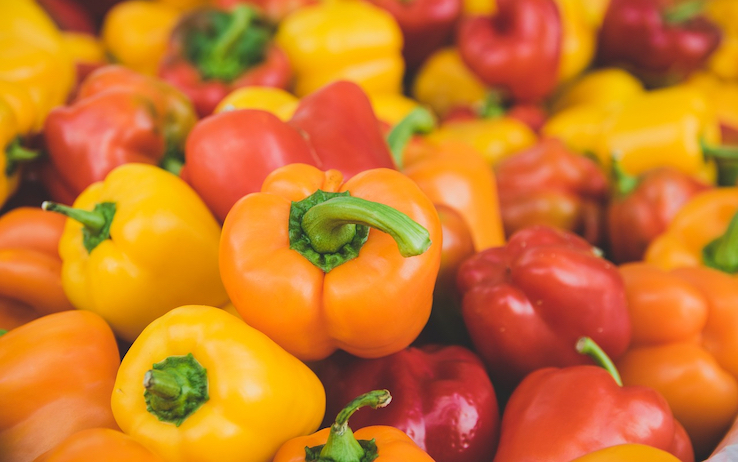
How to make peppers more digestible: a widely used vegetable in cooking , with many benefits, but only one real drawback. It's not always easy to digest, especially if you eat it in the evening.
Index of topics
HOW TO MAKE PEPPERS MORE DIGESTIBLE
There are several ways to make peppers more digestible and ensure they're safe to eat. First, you can opt for raw peppers. To prepare them, it's essential to thoroughly wash the vegetable, remove the inedible stem, and discard any seeds that can cause intestinal discomfort . Furthermore, the white inner part should be carefully removed, as it can cause an unpleasant feeling of heaviness. When cooked peppers, the skin is one of the least digestible parts. Roasting peppers removes the skin more easily. After roasting them, whether on a grill, in the oven, or even better, over charcoal, simply place the peppers in a bowl and cover them with a plate or lid while they're still hot. Alternatively, you can use a sealed plastic bag . Wait until the peppers cool, and then peel them more easily.
READ ALSO: Stuffed Peppers: Two Tasty Recipes
WHY ARE PEPPERS DIFFICULT TO DIGEST?
Why are peppers so difficult to digest? There are several factors that make it difficult to digest peppers. First of all, it's important to note that not all parts of the fruit are equally difficult to digest; those that can cause difficulties are the skin, the seeds, and the white inner ribs . Furthermore, peppers contain two substances, solanine and flavin, which contribute to slower digestion.
- • Solanine is a toxic substance found in various vegetables, such as eggplant, the potatoes, the tomatoes and pepperoniIt can cause various problems, including drowsiness and gastric mucosal irritation, and in extreme cases, if consumed in large quantities, it can have more serious effects. Fortunately, the presence of this substance decreases as the vegetable ripens. Therefore, an essential tip is to choose fully ripe vegetables. Green peppers, while tempting in flavor, are less ripe and therefore more difficult to digest. For the same reason, it's best to avoid consuming peppers outside of their natural season.
- • The second substance that affects digestibility is flavin, which is found in the seeds and the white inner part of peppers. Ingesting it can cause sensations of heaviness in the stomachThe digestion process is facilitated if these vegetables are meticulously cleaned.
Roasted Peppers with Lemon and Vinegar
Roasting peppers removes an enzyme that makes them easier to digest . To avoid this, there are two things you can do: add lemon or vinegar to the roasted peppers. Furthermore, it's recommended not to remove the water they contain at the end of cooking (where the enzyme is located), but simply to clean them thoroughly of skins, seeds, and white parts. This cleaning process makes the peppers more digestible.
RAW PEPPERS
Raw peppers are a very beneficial nutritional option for several reasons.
- Cooking can alter the properties of foods, and this also applies to peppers. Eating them raw offers the opportunity to absorb a full range of essential vitamins and minerals. For example, Vitamin C, especially present in red peppers, known for its role in the immune system and skin health, can be reduced during cooking.
- Additionally, raw peppers are an excellent source of fibers, which contribute to digestive health and maintaining satiety.
- Raw peppers help fight water retention and provide the body with valuable antioxidants that fight free radicals that contribute to skin aging.
- Raw peppers also promote weight loss, increase energy, and preserve memory and concentration. Furthermore, they reduce cholesterol levels and promote intestinal regularity, preventing constipation.
- The consumption of raw peppers has been shown to be beneficial for the eye health, counteracting degenerative eye diseases such as glaucoma and cataracts, strengthening the bone structure and preventing the onset of osteoporosis;
- From the point of view of tasteThe crispy skin and juicy interior of raw peppers offer a pleasant sensation of freshness and crunch, making eating these vegetables a pleasurable experience. Furthermore, raw peppers can be used in a variety of ways: in salads, sauces, and snacks, being highly culinary versatile.
PAN-SAUCE PEPPERS WITH THE APPLE TRICK
Peppers become easier to digest if you include apple pieces in their preparation (especially when sautéing) . Clean the apple thoroughly, removing the core and seeds. Then, cut it into small pieces and add them to the pan with the peppers, then cook them as usual. During cooking, the apple releases sugars (such as fructose) and pectin, which make the peppers lighter.
PEPPERS WITH SUGAR
As an alternative to the apple trick, you can use sugar to make peppers more digestible . Simply add a teaspoon of sugar when preparing these vegetables, which will help minimize the feeling of heaviness that can arise in the hours following consumption. Furthermore, those who enjoy a sweet and sour taste can combine the sugar with a touch of vinegar, carefully balancing the proportions: this will create sweet and sour peppers.
HOW LONG DOES IT TAKE TO DIGEST PEPPERS?
The time it takes to digest peppers can vary depending on several factors, such as individual metabolism , the health of the digestive system, and how they were cooked or prepared. In general, peppers digest in 30 minutes, while green leafy vegetables like cabbage or broccoli, once cooked, digest in 40 minutes.
RECIPES WITH PEPPERS
Peppers are very versatile in the kitchen, as these recipes from our website demonstrate.
- Homemade stuffed peppersA classic recipe, perfect for using up leftovers. Cheeses, cured meats, and stale bread make for a complete, quick, and tasty dish that everyone will enjoy.
- Pan-fried peppers with breadcrumbsA quick and easy recipe to prepare. Raisins, pine nuts, dried fruit, various spices, and even olives or capers are added to the peppers. Breadcrumbs, added at the end, add a touch of crunch.
- Pepper, tuna and lemon savory pieA savory pie, delicious and authentic, combining tuna with peppers and cilantro. Lemon zest adds a refreshing touch.
- Baked quinoa with peppers, spinach, and avocadoA healthy recipe for muscles and the heart. Quinoa is rich in protein, fiber, and carbohydrates, low in fat, and gluten-free; spinach is good for the eyes and heart, peppers are full of vitamin B, and avocado is a protein boost.
- Eggless Pepper OmeletteA dish originating from Campania, ideal for children, who usually don't like vegetables. Breadcrumbs thicken the frittata, which consists of roasted duck breasts. Pepper and capers can be added at the end, if desired.
FOR MORE INFORMATION: Fruit and vegetables: properties based on color
Want to see a selection of our news?
- Sign up to our newsletter clicking here;
- We are also up Google News , activate the star to add us to your favorite sources;
- Follow us on Facebook, Instagram e Pinterest.