
There are medications we take mechanically, thinking they'll solve any problem. This isn't the case. Each medication is suited to a specific situation and can't be a catch-all, always-useful tool. A prime example of this drug waste is Tylenol, a paracetamol-based painkiller with antipyretic properties. Paracetamol, taken orally in pills, relieves mild pain, from headaches to sore throats. It also lowers fevers. But these broad benefits don't justify Tylenol's unlimited use. Nor does it rule out possible side effects, from liver damage to difficulty swallowing. It's one of the most popular medications, but it's also a source of unnecessary waste when used inappropriately. Tylenol, a paracetamol-based medication, has two important functions: antipyretic, for flu and fever, and analgesic, for headaches, neuralgia, and myalgia. For example, it is not useful for osteoarthritis , and it should only be given to children if their fever is very high.
An over-the-counter medication, but not to be used like a glass of water. A medicine that is doubly effective as both an antipyretic (to lower fever) and an analgesic (against pain caused by inflammation). Paracetamol is one of the medicines we waste the most, partly because we use it as if it were an elixir for any ailment. Even when it's unnecessary, or useless. How many times, even for a simple feeling of discomfort, have we taken a paracetamol or heard someone, perhaps while talking to a mother dealing with a young child with a high fever, say, "Give him some paracetamol." Yes, this drug, whose molecule is paracetamol, is used too frequently and easily. This leads to a waste of medicines, with possible side effects, and a completely unnecessary expense—whether public or private—regardless.
Index of topics
When not to take Tylenol
Here are the two most common cases of Paracetamol waste, when this medicine is truly useless. The first concerns children's fevers. All pediatricians now agree that Paracetamol should only be given to children with very high fevers, above 39°C (102°F). And even with a fever of 39°C (102°F), it may be useless. That is, if the child is in a good mood, playing, eating, and sleeping regularly, then even with a high fever, it's not necessary to use Paracetamol. Unless, of course, the fever goes above 40°C (104°F). In any case, it's essential for children to consult their pediatrician and follow a dosage proportional to their body weight. Even more serious and wasteful is the use of this medicine to treat osteoarthritis. A recent analysis published in the Lancet , the world's most authoritative and reliable medical journal, clearly states that paracetamol, used for osteoarthritis (and particularly for gonarthrosis), is completely ineffective. It has zero therapeutic value. At best, it has a placebo effect. This Lancet ruling comes after the University of Bern reviewed 74 studies on paracetamol for osteoarthritis. On the contrary, and with far greater effectiveness, osteoarthritis can be treated through effective prevention. Three fundamental rules apply: avoid being overweight, avoid smoking, and avoid causing abnormalities in the knee. For example, playing soccer after a certain age.
When is paracetamol really effective?
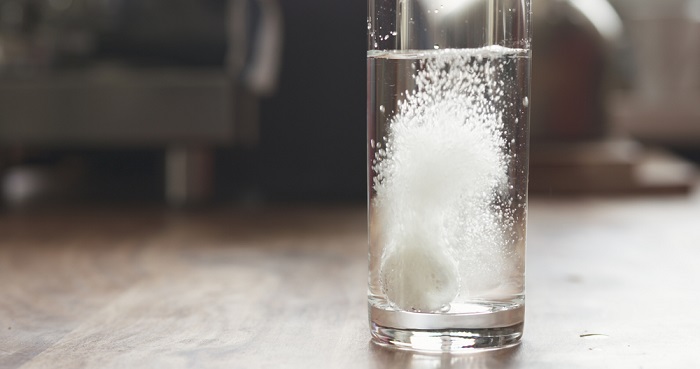
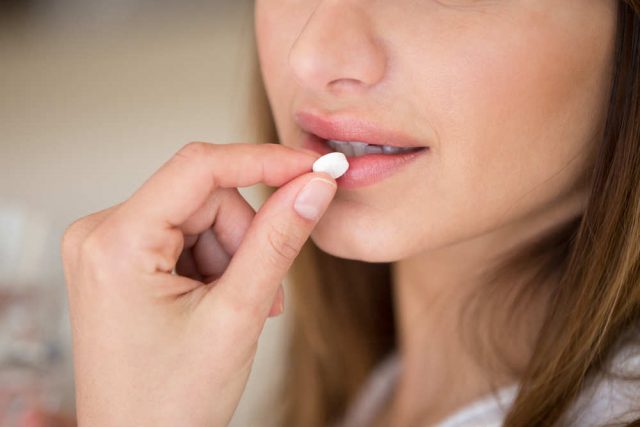
In reality, although paracetamol is an over-the-counter (or prescription) medication, it is suitable for adults and children aged 15 and over. This is where its effects come into play: relieving fever , or even combating a headache or stiff neck. Paracetamol is sold commercially in tablets (including effervescent tablets), drops, and suppositories: a wide range of options, confirming the widespread use of this drug.
Controindicazioni
Still on the subject of excessive and wasteful use of paracetamol, it's important to keep in mind that, for some people, regardless of age, this very popular drug should be avoided. This applies in particular to anyone who is hypersensitive to paracetamol, or who suffers from allergies, hemolytic anemia , or liver failure. Finally, several studies have shown that very high and excessive doses of paracetamol can cause hepatotoxicity, or liver damage.
What is the difference between Tylenol 1000 and Tylenol 500?
There is a substantial difference between Paracetamol 500 and Paracetamol 1000. Paracetamol 500 is an over-the-counter medication, which can be purchased without a prescription; Paracetamol 1000, on the other hand, requires a doctor's prescription and can be purchased up to 10 packs within six months of the prescription date. Finally, Paracetamol can be taken on an empty stomach, but not for more than three consecutive days. If after this period of time it hasn't produced any effects, it's essential to consult your doctor.
Read also:
- How to avoid fever
- Cough: Natural Remedies, Causes, and Prevention
- Oki: what is it for and when should it be taken?
- How to get over a cold in a few hours
- Wasted medications: we throw away a kilo each. How to take medications to make them work.
Want to see a selection of our news?
- Sign up to our newsletter clicking here;
- We are also up Google News , activate the star to add us to your favorite sources;
- Follow us on Facebook, Instagram e Pinterest.