
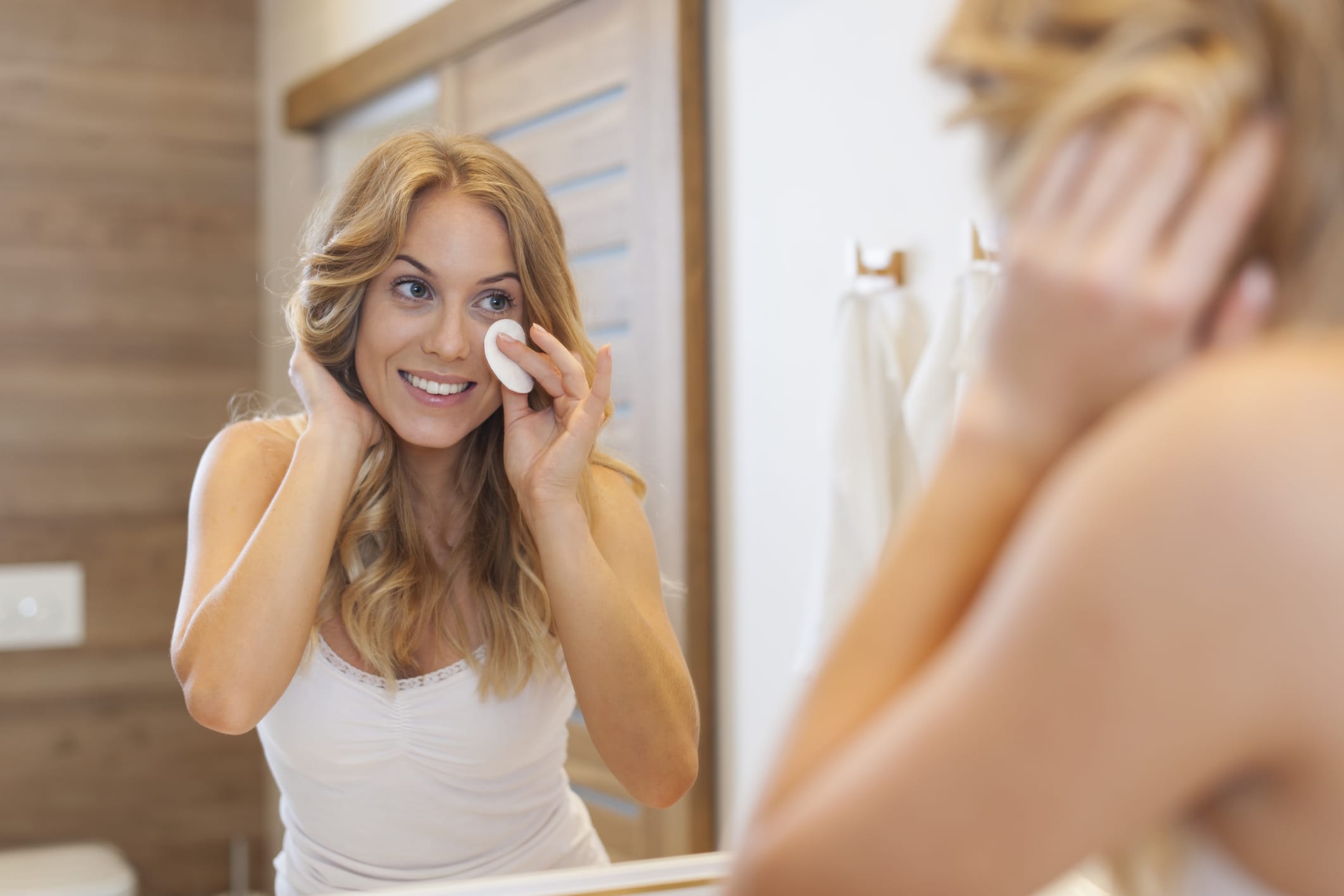
Cracked facial skin appears when the skin barrier It weakens and the skin loses too much water. In practice, the surface layer is no longer able to retain moisture well and becomes dry, rough, tight, or cracked.
Index of topics
Cause
The most common causes are:
- Cold and wind: cold, dry air dehydrates the skin a lot.
- Internal heating and air conditioning: they reduce humidity in the environment.
- Too aggressive washes: strong soaps, foaming detergents or very hot water.
- Excessive exfoliation: frequent scrubs, acids or retinoids used too often.
- Poor skin hydration: lack of sunscreen or naturally dry skin.
- Excessive sun: the sun can also damage the skin barrier.
- Allergies or dermatitis: eczema, atopic dermatitis, seborrheic dermatitis or rosacea can cause cracking.
- Age: over time, the skin produces less sebum and retains less water.
When they arrive
Usually they arrive above all:
- in winter (most common period),
- during the changes of seasons,
- after very windy or cold days,
- or after periods of skin stress (too many cosmetics, aggressive treatments, intense sun).
Where they hit
The areas of the face most affected are often:
- sides of the nose,
- cheeks,
- lip contour,
- ment,
- forehead if the skin is very dry.
Natural remedies
For chapped facial skin, the most effective natural remedies are those that help restore the skin barrier , retain moisture, and calm inflammation. The most commonly used and supported by dermatological expertise are:
- Aloe vera: soothing and refreshing, useful if the skin feels tight or burning.
- Shea butter: very nourishing, it creates a protective barrier against cold and wind.
- Honey: natural humectant, helps retain water in the skin.
- Jojoba, argan, or sweet almond oil: they help replenish the skin's lipids without being too aggressive.
- Colloidal oatmeal: excellent for irritated, red or sensitive skin.
Here's a simple and gentle routine to apply them:
- Wash your face only with warm water or a very gentle cleanser.
- Apply aloe vera gel or a mask with honey for 10–15 minutes.
- Afterwards, use a few drops of vegetable oil (jojoba or argan) or a thin layer of shea butter on the chapped areas.
- Avoid scrubs, harsh soaps, alcohol in cosmetics, and excessively hot water.
Recipe for a natural mask
This is the recipe for an effective and simple natural mask:
- 1 honey spoon
- 1 tablespoon of plain yogurt
- a little fine oats
Leave it on for 15 minutes and rinse with warm water.
When to see a dermatologist
If you have:
- cracks that bleed,
- severe itching,
- persistent redness,
- skin that gets worse despite treatment,
You may have dermatitis, eczema, or rosacea, so it's a good idea to see a dermatologist.
Other tips
Aside from natural remedies, there are some small precautions that can prevent chapping of the face.
- First of all, to combat this unsightly disorder, it is essential to drink plenty of waterDrink at least a liter and a half a day. Also, increase your consumption of fish, fruits, and vegetables, which are rich in fluids and antioxidants. Dried fruit is also excellent, rich in nutrients essential for our health and well-being: even 3-4 walnuts a day, for example, are enough.
- The ones are also perfect herbal teas based on green tea or dandelion, rich in vitamins and mineral salts.
- If the skin appears particularly chapped, avoid excessive makeup and use a moisturizer formulated with natural ingredients. Remember to apply it at least twice a day, in the morning and evening.
- Every fortnight do a peeling in order to regenerate the skin by eliminating dead cells (DIY scrub with natural ingredients).
- Periodically, also do a face mask, nourishing and hydrating (DIY yogurt beauty mask).
- Do not use excessively hot or cold water for washing your face but make sure it is lukewarm.
- During the summer, avoid excessive exposure to sunlight and always protect your skin with sunscreen.
- Finally, don't forget that keeping your skin hydrated significantly reduces the risk ofto the formation of the wrinkles.
- Avoid using facial cleansing products that are too aggressive.
- If you have sensitive skin, alkaline soaps are not recommended.
- If you use a moisturizer, do it on a damp face, either after a shower or after rinsing.
- Don't stay too long in very dry environments.
- The best vitamins for preventing chapped facial skin are C and E.
- Give preference to organic fabrics, such as cotton and silk, and avoid direct contact of wool with the skin.
Read also:
Want to see a selection of our news?
- Sign up to our newsletter clicking here;
- We are also up Google News , activate the star to add us to your favorite sources;
- Follow us on Facebook, Instagram e Pinterest.