

Cell phones also contain very small amounts of gold , especially in the connectors and electrical contacts on circuit boards. Gold is used because it conducts electricity well; it does not tarnish easily; it is highly resistant to corrosion; and it provides reliable electrical contacts even after many years.
The quantity, however, is very small : as a guide, a single smartphone can contain a few dozen milligrams of gold , depending on the model.
But alongside gold, there's also copper, iron, cobalt, and lithium: a cell phone truly has everything, and 96% of it can be recovered. If you consider that each of us, on average, has three locked away in a drawer, it's easy to understand how much waste we cause.
Index of topics
The recyclable content of a cell phone
A cell phone contains an incredible number of materials, and almost half of them are plastic (over 48%) that, after the device's life, can be recycled to make tubes or sheaths. Then, of course, there's the entire internal part of the device, which includes: silver (reused to make ointments and jewelry), copper (used to make hair dryers, car parts, and electrical cables), lead, iron (reused in the steel industry), cobalt (used to make new batteries), chromium, platinum, cadmium, gold, aluminum, tin, and nickel. Likewise, all those precious metals, such as cerium or lanthanum, used to make high-tech equipment, are reusable. Even circuit boards can be transformed after being melted down. The materials present are recovered, and the plastic itself is used as an energy source.
Display
When we talk about displays, especially in the latest-generation cell phones, we're referring to elements that, when touched, are capable, with their internal technology (composed of electron flows), of identifying the exact point where we pressed and sending the corresponding response. This is made possible by two materials: tin and indium, which, when combined with oxygen, generate an oxide that can conduct electrical energy in capacitive screens. The oxide is a mixture used in the transparent film that conducts electricity inside the screen, allowing it to function with a single touch. Smartphone glass is aluminosilicate glass, made from a compound of aluminum oxide and silica, as well as potassium ions, which make it stronger and more compact. As for colors, small amounts of rare earth elements come into play, contributing to the vivid hues we know and love. When we talk about rare earth elements, we're referring to those that are extremely difficult to find on the planet: yttrium, dysprosium, europium, praseodymium, gadolinium, lanthanum, and terbium. Some of these compounds are used to reduce UV light penetration into phones.
Battery
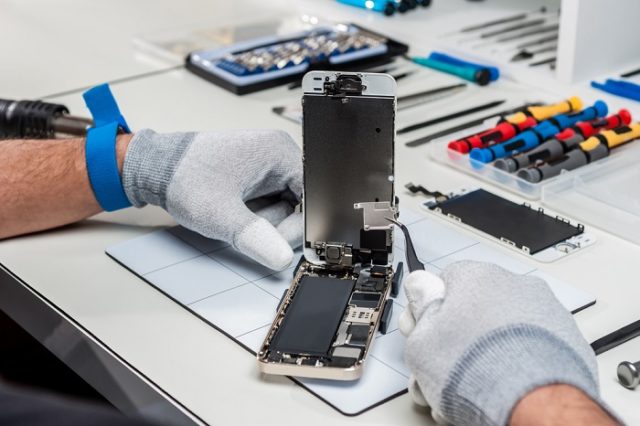
Cell phone batteries use lithium, combined with cobalt, aluminum, oxygen, and carbon. This mixture of materials creates the two poles, positive and negative, that carry energy. Lithium and cobalt oxide form the positive pole, while carbon forms the negative pole. The entire battery is then enclosed in an aluminum body. In some batteries, manganese replaces cobalt, and in these cases, too, the battery casing is made of aluminum.
Internal electronics
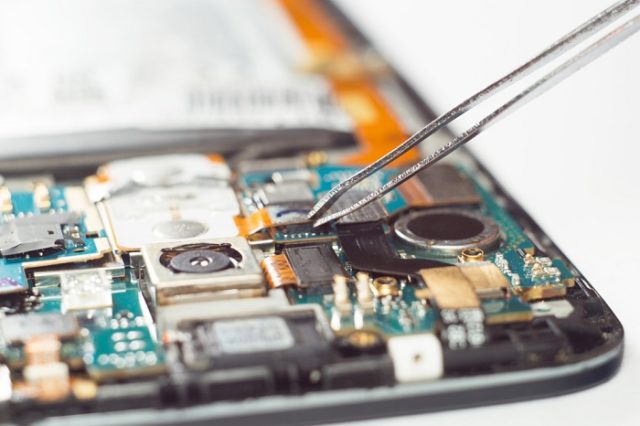
Inside cell phones, the most commonly used material is copper, which is used for the phone's wiring, along with gold and silver, which form the microelectronic components. Tantalum is used to make conductors and microcapacitors. Neodymium and gadolinium form the magnetic parts of the microphone and speaker, while dysprosium, praseodymium, and terbium enable the device to vibrate. Then there is nickel, which is used in the microprocessor along with silicon, which, once oxidized, conducts electricity. Where voltage passes, the materials used include arsenic, phosphorus, antimony, and gallium, used for the speaker and microphone. Tin and lead are used to solder the electronics in phones. In newer devices, lead is no longer used for soldering, replaced by a mixture of silver, copper, and tin.
body
The body is made of magnesium composites, while in other models it is constructed of plastic materials. Plastics are made of materials that are resistant to heat and flame, such as bromine. Nickel, on the other hand, is used to reduce electromagnetic interference. In smartphones, the most commonly used material for the external casing is petroleum and all its derivatives.
What does a cell phone contain?
In short, 55 grams of material that requires the extraction of around fifteen minerals from the Earth to be created. This enormous volume of elements is literally stripped from the earth, causing serious damage to the natural ecosystem. This is also because their extraction occurs through polluting processes, without any regulations, and with disregard for human health, exploiting the labor of men and women who work at the threshold of slavery. After being extracted, the materials are shipped to refining factories, where they are assembled into finished products. The cell phone, thus completed, continues its journey to other countries around the world, such as Europe, where it will be marketed. Recycling a cell phone today becomes an act of enormous responsibility towards people and the devastated ecosystem, especially that of Africa, the continent from which most of the minerals used in cell phone manufacturing originate.
Gold in a smartphone
Read also:
- How to save a cell phone that has fallen into water
- How to avoid cell phone anxiety
- Why it's best not to use your cell phone in the bathroom
Want to see a selection of our news?
- Sign up to our newsletter clicking here;
- We are also up Google News , activate the star to add us to your favorite sources;
- Follow us on Facebook, Instagram e Pinterest.