
Index of topics
HOW TO HELP CHILDREN WALK
READ ALSO: The importance of talking to children from an early age, developing their communication skills
WHEN YOU TAKE THE FIRST STEPS
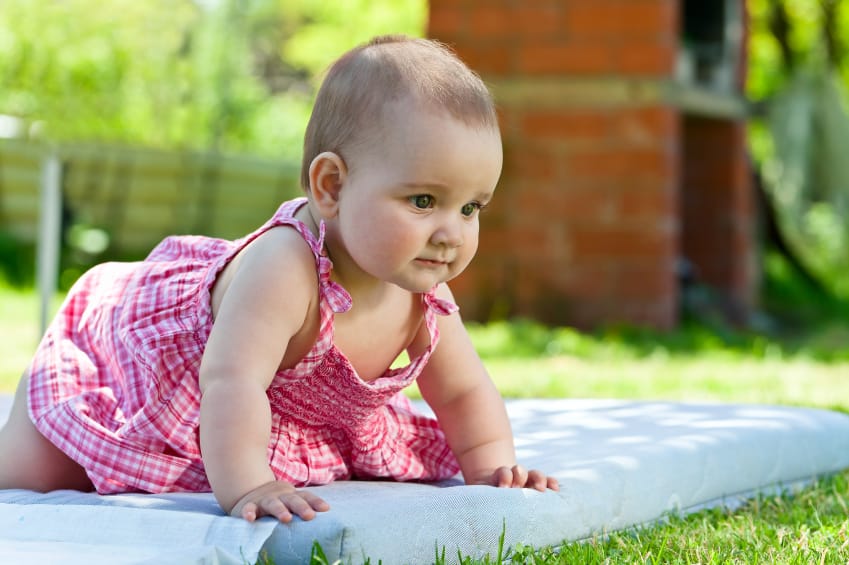
The average age for a baby's first steps is around 12 months , but some babies start crawling around 8 months. The important thing is to never go beyond 2 years of age, which means there are issues that should be addressed with the pediatrician first.
DO NOT FORCE THE CHILD
Don't force the baby, but instead guide him by holding him under the armpits or with both hands. Even better, with just one finger. If he falls, don't panic: a worried or alarmed attitude could create insecurity and discourage the child from trying again.
PROTECT YOUR CHILD FROM SHARP EDGES
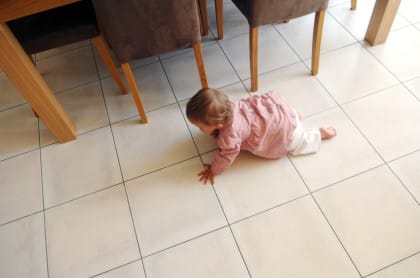
The organization of your home changes when a newborn starts walking. Protect sharp edges, cover electrical outlets , close all detergent boxes, and remove any rugs that could cause them to trip. Pay attention to the edges of tablecloths; if they're at their height, they can be tossed off in a flash. Also, remove any fragile or dangerous objects that are within your baby's reach.
NO WALKER
Eliminate the walker because it creates poor gait, doesn't train the muscles, and slows learning. Playpens are also a no-no, as they can lead to the child remaining seated; a play mat is better. Instead, use a rollator with wheels, with a handle the child can hold on to. Favorites are those shaped like a truck, a toy car, or a puppy.
TALK TO THE CHILD
Remember that first steps are also an experience of exploration. And the denser the network of stimuli the child receives, the better the results will be. So, engage children with colors , flavors, and music. And talk to them: they listen.
CHOOSE PARKS AND MUSEUMS
Speaking of external stimuli, ideal places to start walking are parks and museums . These are spaces where children feel encouraged to improve and explore.
THE RIGHT SHOES
The right shoes should be high, with a modest footbed, and flexible from toe to heel. For their first steps, it's best for children to walk around the house barefoot or in non-slip socks.
WHAT TO DO ABOUT FLAT FEET
Don't be alarmed if your child shows a tendency toward flat feet in the early years . This is normal. Talk to your pediatrician if the condition persists after age 4.
VARUS KNEE
When a child begins to stand, a bow may form between the knees: this phenomenon is called "genu varum" and can affect larger children. Discuss this with your pediatrician , who will assess whether it's appropriate to consult an orthopedic surgeon. The same applies and the same method for "genu valgum," the opposite of "genu varum," which can appear between the ages of 3 and 4.
DON'T OVERPUT YOUR EFFORTS
Never overdo the effort you require. Let your child take as many breaks as necessary: if he rests, he'll be more effective and will learn better. And he won't be listless or nervous from overexertion.


READ MORE: Domestic Accidents: How to Keep Children Safe at Home
Want to see a selection of our news?
- Sign up to our newsletter clicking here;
- We are also up Google News , activate the star to add us to your favorite sources;
- Follow us on Facebook, Instagram e Pinterest.