
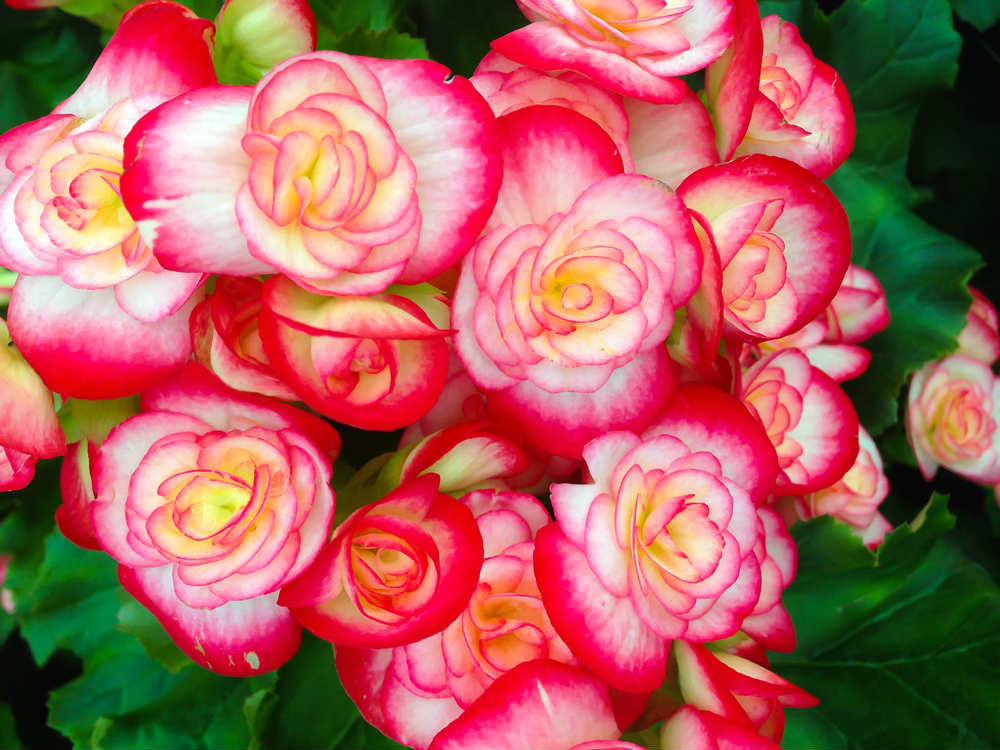
Index of topics
Garden cultivation
Semina
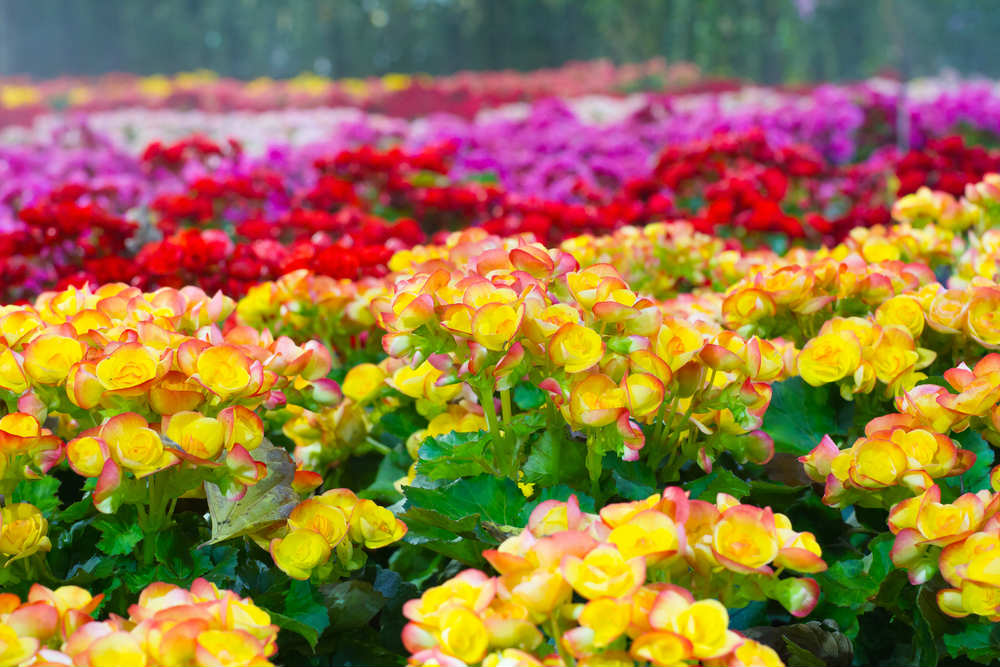
To grow begonias in the garden, it's important to choose a spot with a cool, humid climate in summer. The plant prefers the humid climate characteristic of its native country and shady locations. Therefore, choose a spot in the garden where the begonias are not directly exposed to sunlight. The best times for planting are spring and autumn. Flowering can occur from late April to early October.
Land
The soil must be calcium-free and suitable for tropical plants. It should also be rich in humus to promote plant nutrition and flowering. You can also grow begonias from seed.
Watering
Water your begonia every two or three days, more often in summer and when it doesn't rain. Begonias also require frequent pruning and removal of dead leaves. Pay attention to two things: wait until the soil surface is dry between waterings, and avoid wetting the foliage. Tuberous begonias require the least water.
Cultivation in pots
Semina
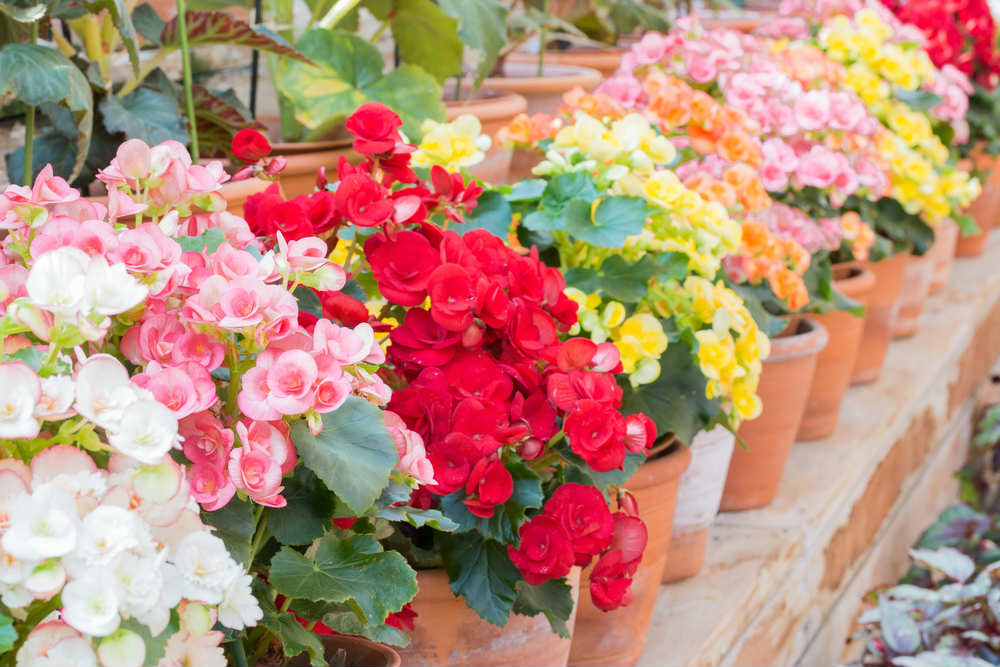
To grow begonias in pots, you need a balcony that doesn't get much sun. In fact, begonias are among the plants best grown on shady balconies. After purchasing a seedling from a nursery, use a larger pot to transplant the begonias and a specific potting mix for flowering plants. It's always recommended to use medium-sized pots, about 15-30 centimeters tall and varying in diameter.
Land
To encourage the flowering of new colored flowers it is very important to use fresh potting soil or soil from garden It should preferably be enriched with nutrients such as compost, a fertilizer obtained from plant waste. In summer, the soil or leaves should be fertilized every 15 days and once a month in winter.
Watering
Water the potted begonia every two or three days. After watering, let the soil dry, making sure to always empty the saucers. Otherwise, the roots could rot and the plant could be starved of water and nutrients.
How to treat it
Avoid heavy watering, which can cause root rot and mold. Specific products are available to combat weevils, mites, and rot, which can attack tubers, roots, leaves, and flowers, damaging buds and encouraging the appearance of various types of spots. To combat mold, in particular, remove the soil and affected plant parts and apply a fungicide.
Characteristics and groups of begonia
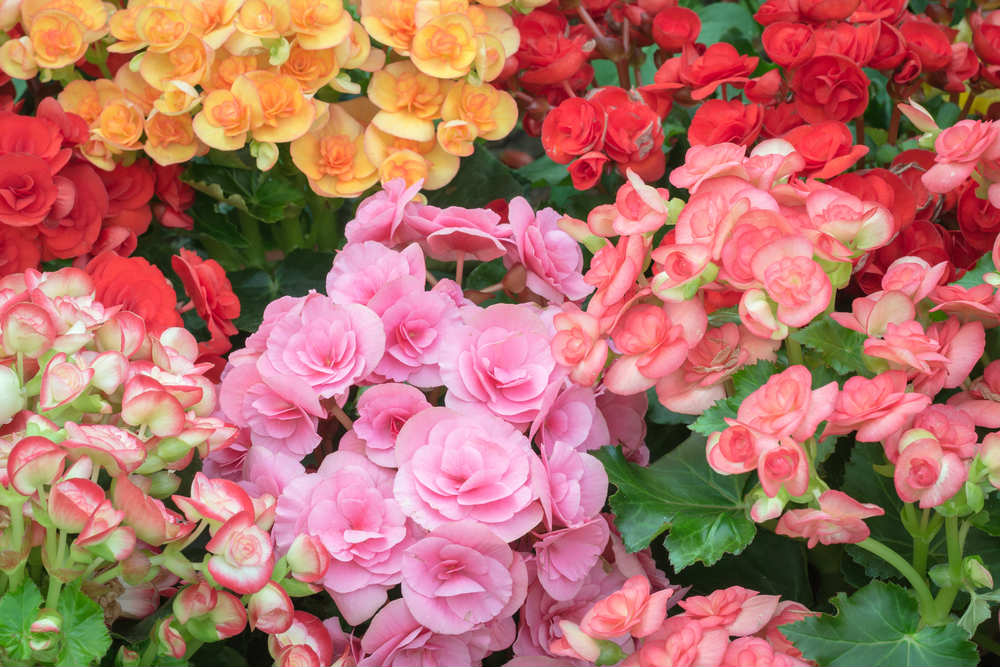
There are three basic groups of begonias: tuberous, fasciculate, and rhizomatous. The first, tuberous, has very colorful and vibrant flowers; it's not well-suited to outdoor spaces, but grows well indoors if properly cared for. The second group is fasciculate begonias, which are best suited for outdoor spaces. Their flowers appear in spring and last throughout the summer. Rhizomatous begonias have a root composed of a rhizome and an evergreen shrub. Their flowers aren't particularly vibrant, making them better suited for indoor cultivation. Remember, begonias are one of the fifty plants recommended for purifying indoor air.
Illnesses
Begonia is a delicate plant and can be affected by certain diseases and insects. In particular:
- Gray mold. A fungus that attacks the stem, leaves, or flowers. It can lead to the death of the plant.
- Collar rot. Another fungus, usually caused by excess moisture, nestles in the plant's collar, the area that separates the crown from the rest of the plant.
- Black rot. Attacks begin at the top, and the leaves turn yellow. If left untreated, the plant, too, risks dying.
- Aphids and mites. The former are plant lice, and attack the begonia During the warm season: they are very small and not easy to eliminate; the latter are small insects that attack flowers and leaves, leaving behind dark spots.
- Thrips. Small animals, fond of buds and buds: they deform plants and flowers.
- Weevils. These are small beetles that attack tubers and roots.
- Whiteflies. These are essentially small flies. They attack leaves and suck their sap, causing irreparable damage to the plant.
Read also:
- How to grow geraniums
- How to grow magnolia
- How to grow wisteria even in a pot
- How to grow roses at home
- Orchids: How to Grow Them in the Garden and Pots
Sign up for our newsletter to stay up-to-date. Click here!
Want to see a selection of our news?
- Sign up to our newsletter clicking here;
- We are also up Google News , activate the star to add us to your favorite sources;
- Follow us on Facebook, Instagram e Pinterest.