
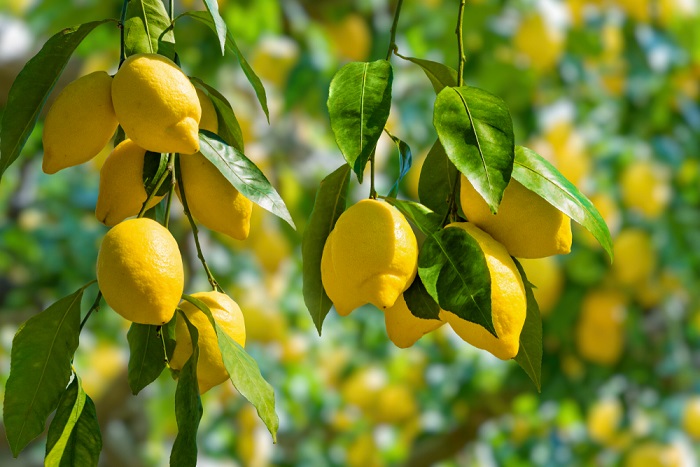
Lemon leaves are essential for both the aesthetics and health of the tree. Dark green in color and elliptical in shape, they fill the tree like a painting, mingling with the abundance of fruit. A lemon tree, in fact, can begin to bear fruit as early as its fourth year, and if kept healthy, it will produce between 350 and 600 lemons a year. The leaves are also a great indicator of the plant's health, as if they were speaking. If they are yellow , for example, it means the tree is underwater and needs water. Furthermore, leaves become wrinkled if they are home to insects, which must be eliminated as soon as possible, as it indicates the plant is developing sooty mold, a deadly disease for lemons. Lemon leaves , and citrus leaves in general , have a variety of uses, from cooking to home , from decorating a dish to adding flavor and aroma. You can also make infusions and herbal teas , and even limoncello , by replacing the peel with the leaves. However, we don't recommend eating them: aside from concerns about possible side effects, they don't have any particular flavor. Dried lemon leaves are valuable for mulching : they should be placed at the base of the plant to reduce weed growth during the summer and protect crops from humidity during indoor growing. Finally, in compost, lemon leaves help materials decompose and reduce unpleasant odors.
How to use lemon leaves in cooking
Lemon leaves are incredibly versatile in the kitchen: they're similar to bay leaves in that they add flavor and aroma to all dishes. Soups , broths , stews , roasts , fish . And even desserts . Let's take a look at the best uses for lemon leaves in the kitchen.
- Any type of carne It can be wrapped in a lemon leaf, secured with a toothpick, and cooked in a pan or in the oven. It's best to remove the leaves before serving. Meatballs also lend themselves very well to being wrapped in lemon leaves.
- even the fish It can be cooked wrapped in lemon leaves, using the "en papillote" method. The most suitable fish are anchovies and trout, and for seafood, shrimp and oysters. Lemon leaves can be used as part of the fish stuffing to add flavor, and for larger fish, it's a good idea to use string to keep the leaves attached to the surface.
- Soups and stews: here the use of lemon leaves is similar to that of lemon leaves laurelSimply add them to the broth and cooking juices and remove them when you serve the dishes at the table.
- A real delight is the mozzarella cheese, and also scamorza and other cheeses best suited to cooking, cooked wrapped in lemon leaves. You only unwrap them when you're ready to eat the mozzarella, which will have acquired the scent of lemon by then.
- For the desserts, the most famous in the world with lemon leaves comes from Spain. These are the papajotesLemon leaves coated in a mixture of white flour, yeast, eggs, milk, sugar, and a pinch of salt. batter then it is fried and served hot with a sprinkling of sugar and cinnamon.
- Lemon leaves, crushed, can also perfume a hot or cold tea.
- Finally, with lemon leaves you can prepare infusions, herbal teas e digestive Very fragrant. They are natural products, highly diuretic, and easy to make. A two-cup lemon leaf infusion, for example, is prepared with 10 grams of leaves (about seven or eight leaves) from untreated lemons and half a liter of filtered water. To prepare, follow this procedure: the leaves should be cleaned by soaking them in warm water for a few minutes and bicarbonate, then bring the water to the boil (about 95 degrees), immerse the leaves in it for a few minutes, about ten, filter and then serve.
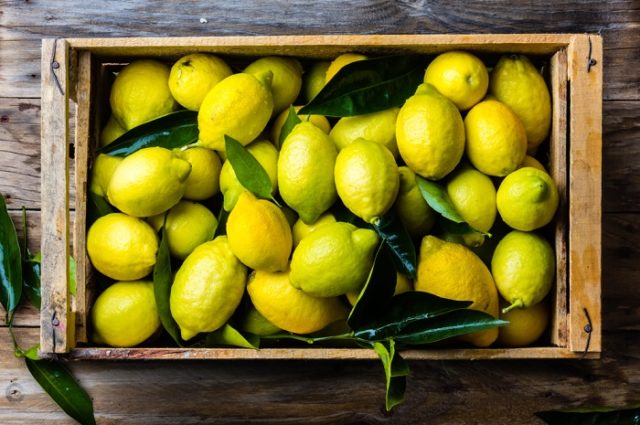
Liqueur with lemon leaves
Lemon leaf liqueur is an alternative to the famous limoncello. It's equally pleasant and beneficial for digestion. Greener in color, lemon leaf liqueur is a typical anti-waste product: it recycles a part of the plant we don't usually use. Here's the simplest recipe for making it at home.
Ingredients
- 500 ml of water
- 500 ml of pure alcohol
- 250 grams of brown sugar
- 30 lemon leaves
Preparation
- Wash the leaves well and then leave them to dry.
- Once dried, let them macerate in alcohol in a jar with a lid.
- After about ten days, add the syrup to the macerate, simmer the water for a few minutes to dissolve the sugar.
- Let it cool and put it in closed bottles.
- Store in the refrigerator.
Perfume with lemon leaves
Another way to reuse and avoid wasting lemon leaves is to make a room fragrance and even a linen fragrance. The process is very simple.
Ingredients
- 1 lemon
- 3 lemon leaves
- A few sprigs of rosemary
- Water needed
- A few drops of trea oil
- 2 glass jars
Preparation
- Wash the lemon slices and put them into the jars
- Add water, trea oil, rosemary sprigs, lemon leaves
- Close with a lid little jars
- Put them in the refrigerator for one to two weeks
- When you open the jar, keep in mind that this lemon scent only lasts a few days
How to dry leaves
Fresh lemon leaves are certainly more fragrant, but if you want to have them available year-round, you can dry them, then place them in an airtight jar and store them. There are two simplest methods for drying them: open air or in the oven . In the first case, arrange the lemon leaves on a cloth or tray and leave them in the open air for a few days: be careful not to expose them to direct sunlight, otherwise they will burn. You can also dry them indoors, as long as the environment is dry. The second method involves using the oven: simply place the lemon leaves on a baking sheet, set at a low temperature (between 30 and 40 degrees) and turn them halfway through cooking. Be careful not to burn them: they should just be crispy, and then they are ready for storage.
How to preserve leaves
Once the lemon leaves are dried, to preserve them for a long time you only need to pay attention to two simple things. First: chop them . This will help them last longer and you'll have the leaves ready to use for a herbal tea or infusion. Second, use only glass jars (never plastic or cardboard), make sure they're protected from light, and make sure the lid is airtight. Just to give you an example: lemon leaves in jars should be tightly closed, like jam.
How to use the pulp
Besides the lemon leaves, there are other parts of this wonderful citrus fruit that should be recovered and not wasted. For example, the pulp , which is generally collected in the juicer or centrifuge . Don't waste it. You can use it to acidify the water used to wash salads and vegetables, increasing its potency. Or add it to a fruit salad in place of lemon juice. And finally, use it to make a lemon popsicle.
How to use the peel
Even the peel shouldn't be wasted . A good way to use it is to chop it , dry it , and blend it : at this point, you will have obtained a bright yellow powder with a very intense and pleasant flavor, which you can use in the kitchen like a normal spice. With oranges , you can use the peel for candied lemons and to enrich jam. The remaining peel after squeezing the citrus fruit is perfect for making salted lemons, a typical Middle Eastern tradition. In any case, always keep in mind that any cardiologist will explain how, in terms of heart protection , the entire lemon, including the peel and the white inner pith, is a highly effective natural remedy for preventing cardiovascular problems.
Read also:
- How to grow lemons in a pot
- Lemon Recipes: The Easiest and Quickest
- House cleaning that can be done with lemon
- How to store lemons so you can have them all year round
Want to see a selection of our news?
- Sign up to our newsletter clicking here;
- We are also up Google News , activate the star to add us to your favorite sources;
- Follow us on Facebook, Instagram e Pinterest.